

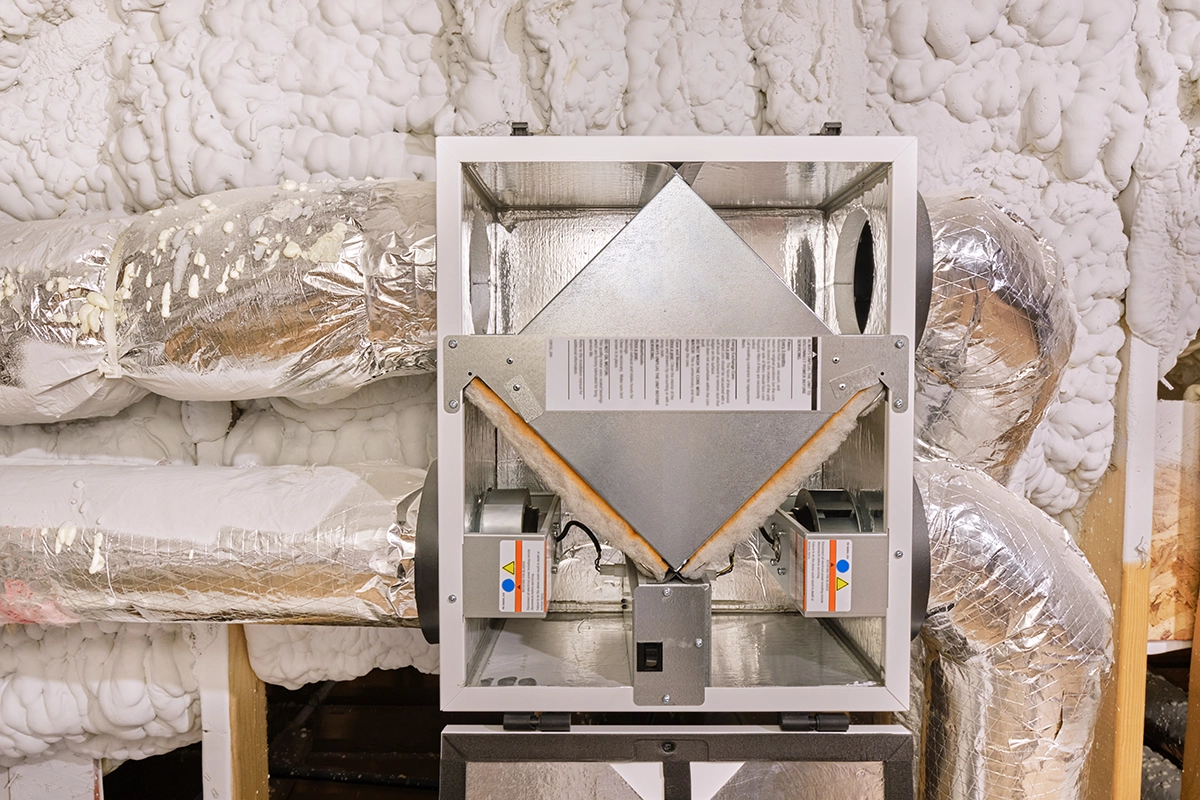
Your home’s HVAC ductwork is the hidden highway that delivers heated and cooled air throughout your living spaces. When this crucial system develops problems, it can significantly impact your comfort, indoor air quality, and energy bills. Understanding the warning signs of ductwork issues helps you identify when it’s time to call in the professionals at Premier Comfort Solutions.
Understanding Your HVAC Ductwork System
HVAC ductwork consists of a network of metal, fiberglass, or flexible tubes that distribute conditioned air from your heating and cooling equipment to every room in your home. This system includes supply ducts that carry conditioned air to rooms and return ducts that bring air back to your HVAC unit for reconditioning.
The ductwork system plays a vital role in maintaining consistent temperatures, proper airflow, and good indoor air quality throughout your home. When functioning correctly, you shouldn’t notice your ducts at all – they quietly do their job behind the scenes.
Common HVAC Ductwork Problems
Air Leaks and Poor Sealing
One of the most prevalent ductwork issues is air leakage, which occurs when conditioned air escapes through gaps, cracks, or poorly sealed joints. According to the Environmental Protection Agency, typical duct systems lose 20 to 30 percent of the air that moves through them due to leaks and poor connections.
Signs of ductwork leaks include uneven temperatures between rooms, higher than normal energy bills, and difficulty maintaining comfortable temperatures despite your system running constantly. You might also notice dusty rooms, stuffiness, or drafts coming from areas where ducts run through walls or ceilings.
Damaged or Disconnected Ducts
Over time, ductwork can become damaged due to age, settling of the home, or improper installation. Flexible ducts may develop tears or kinks, while rigid ducts can separate at joints or develop holes from corrosion or physical damage.
Disconnected ducts are particularly problematic because they allow conditioned air to pour into unconditioned spaces like attics or crawl spaces, wasting energy and reducing comfort in your living areas.
Poor Ductwork Design and Installation
Improperly designed or installed ductwork can create numerous problems, including inadequate airflow to certain rooms, noisy operation, and reduced system efficiency. Common design flaws include ducts that are too small for the air volume they need to carry, excessive bends that restrict airflow, and improper sizing of return air ducts.
Warning Signs Your HVAC Ductwork Needs Attention
Temperature Inconsistencies
If some rooms in your home are consistently warmer or cooler than others, your ductwork may have issues. This temperature imbalance often indicates air leaks, blocked ducts, or improper duct sizing that prevents adequate airflow to certain areas.
While minor temperature variations are normal, significant differences of more than a few degrees between rooms typically signal ductwork problems that require professional evaluation.
Unusual Noises
Your ductwork should operate quietly. If you hear banging, rattling, whistling, or other unusual sounds when your HVAC system runs, it could indicate loose connections, damaged ducts, or airflow restrictions.
These sounds often occur when air moves through compromised ductwork or when ducts expand and contract due to temperature changes, potentially indicating structural issues.
Poor Indoor Air Quality
Damaged ductwork can allow dust, allergens, and other contaminants to enter your home’s air supply. If you notice increased dust accumulation, worsening allergy symptoms, or musty odors when your system runs, your ducts may be compromised.
Leaky ducts can also draw in unconditioned air from attics, crawl spaces, or wall cavities, bringing with it dust, humidity, and potential pollutants.
Increased Energy Bills
When your ductwork has leaks or other efficiency problems, your HVAC system must work harder to maintain comfortable temperatures. This extra effort translates directly into higher energy costs.
If your energy bills have increased without a corresponding change in usage patterns or utility rates, compromised ductwork could be the culprit.
What Professional Ductwork Services Involve
Comprehensive Ductwork Inspection
When you contact Premier Comfort Solutions for ductwork concerns, a certified technician will conduct a thorough inspection of your entire duct system. This evaluation includes checking accessible ducts for damage, measuring airflow at various points, and using specialized equipment to detect leaks.
Professional inspections often reveal problems that aren’t visible to homeowners, such as disconnected ducts in crawl spaces or attic areas, collapsed flex ducts, or improperly sealed connections.
Professional Sealing and Repair
Once problems are identified, HVAC professionals use specialized materials and techniques to properly seal leaks and repair damaged sections. This process involves more than simple duct tape – professionals use mastic sealant, metal tape, and other durable materials designed specifically for ductwork applications.
For more extensive damage, sections of ductwork may need replacement. A qualified technician will ensure new ducts are properly sized, supported, and connected to restore optimal system performance.
Professional duct sealing services in Haysville can significantly improve your home’s energy efficiency and comfort levels while reducing utility costs.
The Impact on Energy Efficiency and Comfort
Properly functioning ductwork is essential for optimal HVAC system performance. When ducts are sealed and in good condition, your heating and cooling equipment can operate at designed efficiency levels, providing consistent comfort while minimizing energy consumption.
Addressing ductwork problems can result in energy savings of 15-30% or more, depending on the extent of the issues corrected. These improvements also enhance indoor air quality and reduce wear on your HVAC equipment, potentially extending its lifespan.
Beyond energy savings, properly functioning ductwork ensures that conditioned air reaches all areas of your home as intended, eliminating hot and cold spots and improving overall comfort for your family.
When to Call Premier Comfort Solutions
Don’t wait for ductwork problems to worsen – addressing issues early can prevent more extensive and costly repairs down the road. If you’ve noticed any of the warning signs discussed above, it’s time to schedule a professional evaluation.
Our experienced technicians have the tools and expertise to diagnose ductwork problems accurately and recommend appropriate solutions. We understand that every home’s ductwork needs are unique, and we provide customized solutions tailored to your specific situation.
For more information about our comprehensive HVAC services, read about the duct cleaning and sealing process or learn about common HVAC problems in Haysville that we regularly address.
Contact Premier Comfort Solutions today to schedule your ductwork inspection and take the first step toward improved home comfort and energy efficiency.
Frequently Asked Questions
How can I tell if my ductwork is leaking air?
Common signs include uneven room temperatures, higher energy bills, excessive dust, and difficulty maintaining comfortable temperatures despite your system running constantly.
Can I seal ductwork myself or do I need a professional?
While minor visible leaks might seem easy to fix, proper ductwork sealing requires professional assessment, specialized materials, and access to hidden ducts that only trained technicians should handle.
How often should ductwork be inspected?
Professional ductwork inspection should be performed every 3-5 years or whenever you notice signs of problems like uneven temperatures, increased energy bills, or poor air quality.
What causes ductwork to fail over time?
Common causes include age-related deterioration, home settling, poor initial installation, physical damage from pests or maintenance work, and normal wear from temperature cycling.