

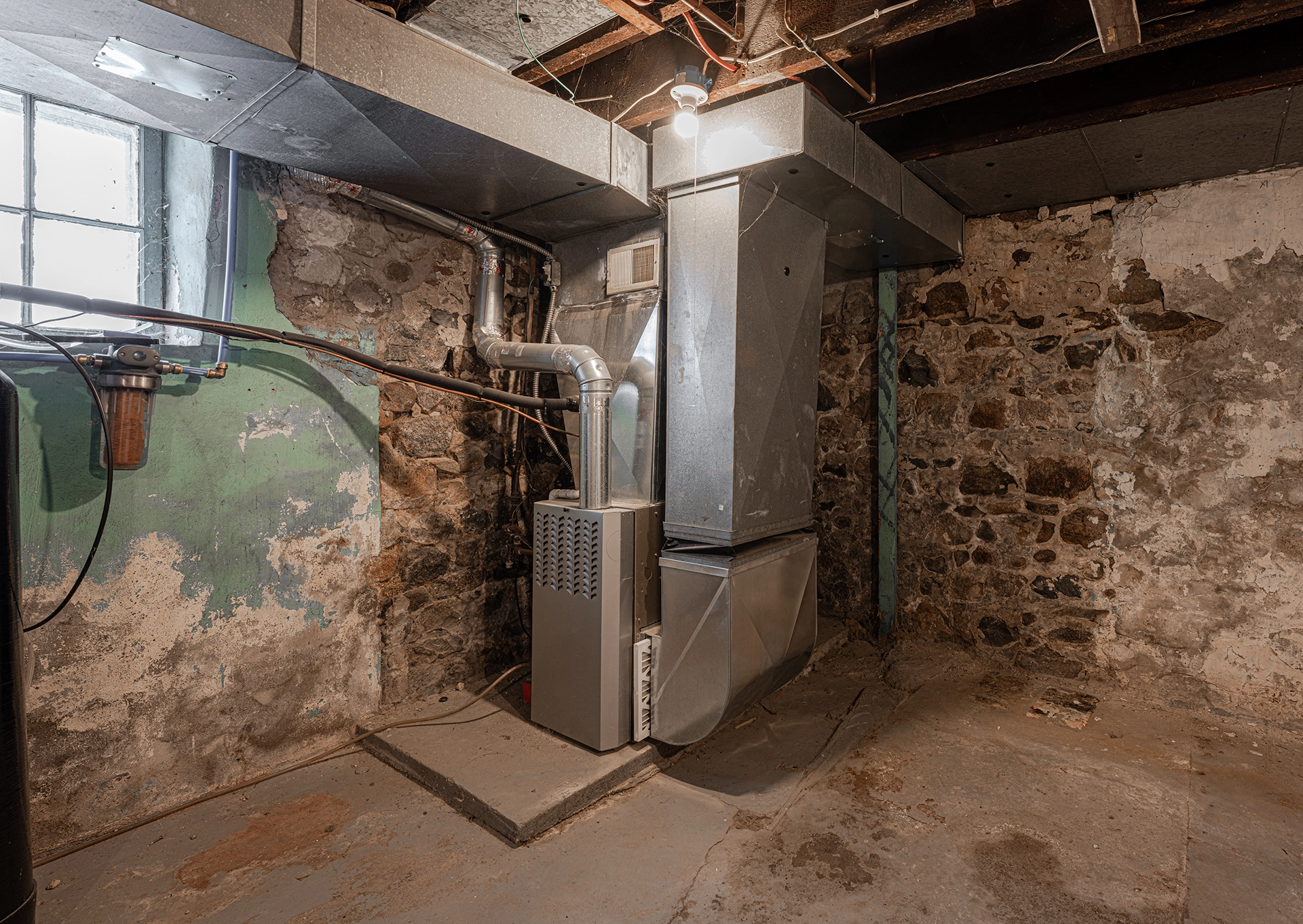
When it comes to your home’s comfort and energy efficiency, proper ductwork installation is the foundation that makes everything else possible. At Premier Comfort Solutions, we understand that even the most advanced HVAC system won’t perform optimally without professionally installed ductwork that’s properly sized, sealed, and configured for your Haysville home.
Whether you’re building a new home, adding an addition, or replacing aging ductwork that’s compromising your system’s performance, professional installation ensures your heating and cooling system operates at peak efficiency while maintaining consistent comfort throughout your living space.
Why Professional Ductwork Installation Matters
Ductwork serves as the circulatory system of your home’s HVAC setup, and improper installation can lead to significant problems that affect both comfort and energy costs. Professional installation goes far beyond simply connecting metal or flexible ducts between your HVAC unit and room vents.
A certified technician will perform detailed load calculations to determine the exact airflow requirements for each room, ensuring your ductwork is properly sized to deliver the right amount of conditioned air throughout your home. This precision prevents issues like uneven temperatures, excessive energy consumption, and premature HVAC system wear.
Additionally, professional installers understand the importance of proper sealing techniques, insulation requirements, and code compliance that DIY installations often miss. These details make the difference between a ductwork system that enhances your HVAC performance and one that undermines it.
Signs Your Haysville Home Needs New Ductwork
Recognizing when your existing ductwork needs replacement can help you avoid ongoing comfort and efficiency problems. Several warning signs indicate ductwork issues that may require professional attention.
Uneven heating and cooling throughout your home often points to poorly designed or damaged ductwork. If some rooms consistently feel too hot or cold despite thermostat adjustments, your ducts may not be delivering airflow properly to those areas.
Excessive dust accumulation, unusual odors coming from vents, or visible damage to accessible ductwork sections are clear indicators that replacement may be necessary. Higher than normal energy bills can also signal ductwork problems, as leaky or improperly sized ducts force your HVAC system to work harder to maintain desired temperatures.
Noisy operation, including rattling, whistling, or banging sounds from your ductwork, suggests installation issues or damage that affects both performance and comfort.
The Professional Ductwork Installation Process
Professional ductwork installation begins with a comprehensive assessment of your home’s specific requirements. A certified technician will evaluate your floor plan, insulation levels, HVAC system capacity, and local building codes to design a ductwork system that maximizes efficiency and comfort.
The installation process involves careful planning of duct routes to minimize bends and restrictions while ensuring adequate support throughout the system. Professional installers use high-quality materials and sealing techniques that meet industry standards, preventing the air leaks that commonly plague amateur installations.
Proper insulation application is crucial for preventing energy loss and condensation issues, particularly in unconditioned spaces like attics and crawl spaces. Your technician will also ensure all connections are secure and that the system is balanced to deliver appropriate airflow to each room.
Testing and commissioning complete the installation process, verifying that your new ductwork delivers the intended performance and identifying any adjustments needed for optimal operation.
Ductwork Materials and Design Considerations
Modern ductwork installation involves choosing the right materials for your home’s specific conditions and requirements. Sheet metal ducts offer durability and longevity, while flexible ducts provide installation versatility in tight spaces.
The design must account for your home’s layout, including proper return air pathways that ensure balanced airflow throughout the system. Professional installers understand how to size trunk lines and branch ducts appropriately, preventing the pressure imbalances that lead to comfort problems and efficiency losses.
Insulation selection depends on your ductwork’s location, with different R-values required for different applications. Proper vapor barrier installation prevents moisture issues that can lead to mold growth and indoor air quality problems.
Energy Efficiency and Code Compliance
Professional ductwork installation ensures compliance with local building codes and energy efficiency standards that affect both performance and home value. Proper sealing techniques can improve system efficiency by 20% or more compared to poorly sealed installations.
Your certified technician will use appropriate sealing materials and techniques at all joints and connections, preventing the energy losses that increase operating costs. Strategic duct placement and insulation help minimize heat gain and loss, reducing the load on your HVAC system.
Modern installations often incorporate zoning capabilities that allow different areas of your home to be heated and cooled independently, providing both comfort and energy savings benefits.
Integration with Existing HVAC Systems
New ductwork installation must work seamlessly with your existing or planned HVAC equipment. Professional AC installation services often include ductwork modifications to ensure optimal system performance.
Proper sizing ensures your HVAC equipment can deliver its rated capacity without struggling against excessive pressure drops or inadequate return air flow. This coordination prevents premature equipment failure and maintains manufacturer warranty coverage.
Integration also involves considering future maintenance access, ensuring technicians can service both your ductwork and HVAC equipment without difficulty.
Indoor Air Quality Considerations
Professional ductwork installation includes provisions for maintaining healthy indoor air quality throughout your home. Proper return air design prevents negative pressure issues that can draw pollutants into your living space.
Your installer will ensure adequate filtration access and may recommend duct sealing services to prevent contamination from unconditioned spaces. Smooth interior surfaces and proper joints prevent dust accumulation that can affect air quality over time.
Strategic placement of supply and return vents promotes proper air mixing, preventing stagnant areas where pollutants might accumulate.
Long-term Performance and Maintenance
Professionally installed ductwork is designed for long-term reliability and easy maintenance. Quality installations include proper support systems that prevent sagging and damage over time, while accessible design allows for periodic inspection and cleaning.
Your installation team will provide guidance on maintenance schedules and what to watch for regarding system performance. Regular professional inspections can identify minor issues before they become major problems affecting comfort or efficiency.
Proper documentation of your ductwork system, including layout diagrams and specifications, helps future service technicians maintain optimal performance throughout the system’s lifespan.
When you’re ready for professional ductwork installation that ensures optimal HVAC performance and home comfort, Premier Comfort Solutions provides the expertise and attention to detail your Haysville home deserves. Our certified technicians use industry-leading practices to deliver ductwork systems that enhance both comfort and efficiency for years to come.
Frequently Asked Questions
How long does professional ductwork installation take in a typical Haysville home?
Most complete ductwork installations take 2-4 days depending on home size and complexity. New construction installations are typically faster than retrofit projects that require working around existing structures.
What’s the difference between flexible and rigid ductwork for my home?
Rigid metal ducts offer superior durability and airflow efficiency, while flexible ducts provide installation versatility in tight spaces. Professional installers choose the right combination based on your home’s specific layout and requirements.
Will new ductwork installation disrupt my daily routine significantly?
Professional installers work efficiently to minimize disruption, often completing sections while maintaining partial HVAC operation. Most homeowners can remain in their homes during installation with only temporary inconveniences.
How do I know if my existing ductwork can be repaired or needs complete replacement?
A professional assessment evaluates factors like age, damage extent, efficiency losses, and code compliance. Extensive leakage, poor original design, or significant damage typically warrant complete replacement for optimal long-term performance.