

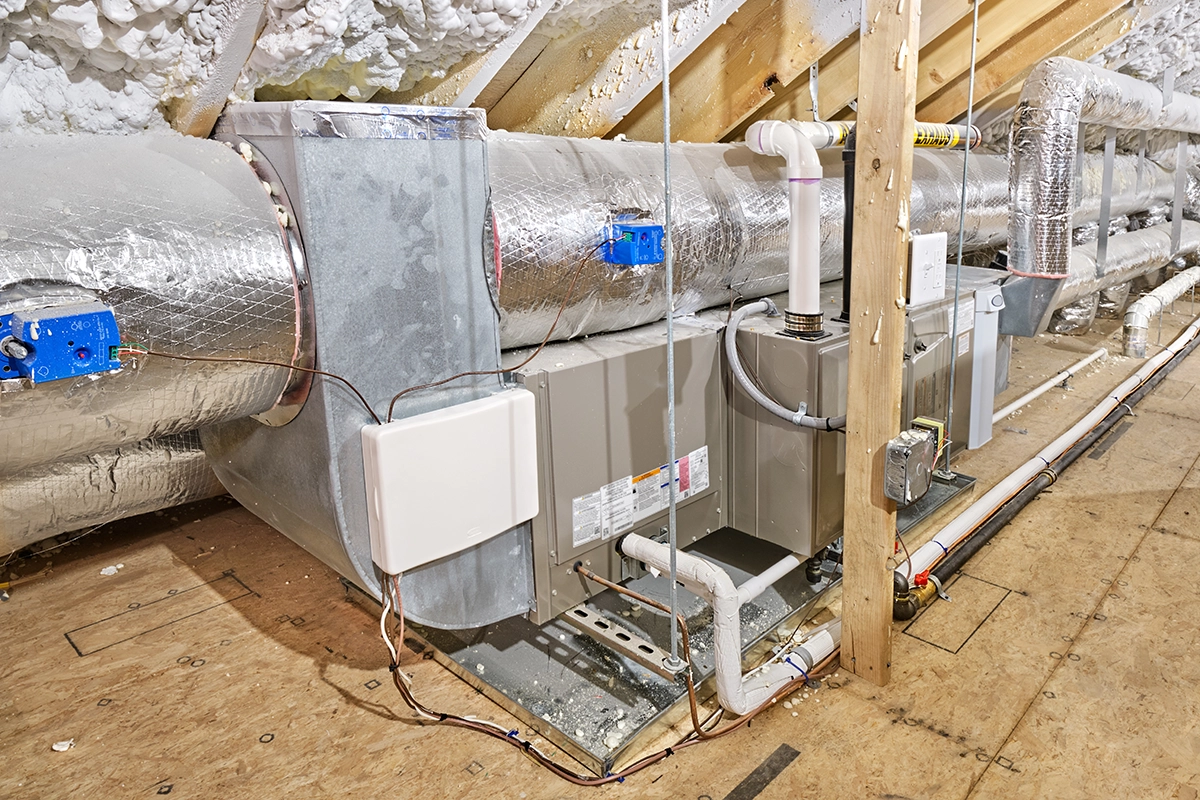
Building a new home is exciting. It’s the perfect opportunity to install a heating and cooling system that fits your space and lifestyle from day one. Choosing the best HVAC system for new construction requires careful planning. You’ll want comfort, efficiency, and long-term value all working together. At Premier Comfort Solutions, we help homeowners throughout Haysville, KS make informed decisions about their new home’s climate control. As a result, you can enjoy reliable performance for years to come.
Why New Construction Offers Unique HVAC Opportunities
When you’re building from the ground up, you have advantages that existing homeowners don’t. Your Premier Comfort Solutions professional can design your ductwork perfectly. They can also size your system accurately and install equipment before the walls go up. That’s why new construction is the ideal time to invest in quality HVAC components. You won’t face the limitations of retrofitting an older home.
We work closely with builders and homeowners during the planning phase. Early decisions affect comfort and energy bills for decades. Having systems installed by certified technicians during construction is typically more cost-effective than replacing equipment later. You’ll avoid the hassle of cutting into finished walls. Plus, you won’t need to navigate around existing structures.
Factors That Determine the Best HVAC System for Your New Home
Every new construction project is different. Therefore, there’s no one-size-fits-all answer. However, several key factors help determine which system works best for your specific situation.
Home Size and Layout
Square footage matters, but it’s not the only consideration. The number of floors, ceiling height, window placement, and insulation quality all affect heating and cooling requirements. An open floor plan distributes air differently than a home with many separate rooms. This means your system needs proper planning to reach every space effectively.
Our technicians perform detailed load calculations to determine the exact capacity your home needs. Oversized systems cycle on and off too frequently. This wastes energy and creates temperature swings. Undersized systems run constantly without ever achieving comfortable temperatures. Getting this right from the start saves money and frustration.
Energy Efficiency Goals
Modern HVAC technology offers impressive efficiency levels. These significantly reduce utility costs. Systems with higher SEER ratings for cooling and AFUE ratings for heating cost more upfront. However, they deliver substantial savings over time. Since you’re already investing in construction, choosing high-efficiency equipment makes financial sense in the long run.
We can also discuss zoning systems that let you control temperatures in different areas independently. This feature is especially valuable in larger homes. It’s also useful when household members prefer different comfort levels. Zoning reduces energy waste by avoiding heating or cooling unused spaces.
Climate Considerations in Kansas
Our Kansas climate brings hot, humid summers and cold winters. This means your system needs to handle both extremes reliably. Heat pumps work well in moderate climates. However, they may require backup heating during our coldest days. Traditional furnaces paired with central air conditioning remain popular. They provide dependable performance year-round.
Humidity control is another important factor. Excessive moisture in summer creates discomfort and potential mold issues. Overly dry winter air causes static and respiratory irritation. Modern systems can include humidity management features that maintain ideal indoor air quality automatically.
Popular HVAC System Types for New Construction
Understanding your options helps you make confident decisions about which system fits your home best. Each type has distinct advantages depending on your priorities and budget.
Traditional Split Systems
These systems include an outdoor condenser unit and an indoor furnace or air handler. They’re the most common choice for residential construction. This is because they’re reliable, cost-effective, and easy to maintain. Split systems work with either gas furnaces or electric heat sources. This gives you flexibility based on available utilities and preferences.
We install these systems regularly. We know they provide excellent performance when properly sized and installed. The separate components allow for easier troubleshooting if issues arise. In addition, replacement parts are readily available. Most homeowners find split systems offer the best balance of performance and affordability.
Heat Pump Systems
Heat pumps provide both heating and cooling using a single outdoor unit. They transfer heat rather than generating it. This makes them extremely efficient in moderate temperatures. For new construction, heat pumps represent an environmentally friendly option. They can reduce carbon footprint while maintaining comfort.
In colder climates like ours, dual-fuel systems combine heat pumps with gas furnaces. The heat pump handles most heating needs efficiently. Then the furnace kicks in during extreme cold. This hybrid approach maximizes efficiency while ensuring reliable performance regardless of outdoor temperatures.
Geothermal Systems
These systems use underground temperature stability to heat and cool your home with remarkable efficiency. Although geothermal installation costs more initially, the long-term energy savings are substantial. Excavation is involved, but new construction simplifies the installation process. Ground loops can be installed before landscaping is complete.
Geothermal systems last longer than conventional equipment. They also require minimal maintenance. They’re nearly silent in operation and eliminate the outdoor condenser unit that some homeowners find unsightly. If you’re committed to sustainability and plan to stay in your home long-term, geothermal deserves serious consideration.
Ductless Mini-Split Systems
While less common for whole-home heating and cooling, ductless systems offer advantages in certain situations. They’re perfect for homes with unique architectural features, additions, or spaces where ductwork installation proves challenging. Each indoor unit operates independently. This provides precise zone control.
Some homeowners choose ductless systems for supplemental comfort in specific areas. These include finished basements, sunrooms, or home offices. They can be installed efficiently and don’t require extensive renovation. They also offer exceptional efficiency. However, multiple indoor units may not suit every aesthetic preference.
Important Installation Considerations
Even the best equipment performs poorly if installed incorrectly. That’s why professional installation during new construction makes such a significant difference in long-term comfort and efficiency.
Proper Ductwork Design
Ductwork represents the circulatory system of your HVAC setup. Poorly designed or installed ducts waste up to 30% of heated or cooled air through leaks and inefficient routing. During new construction, your Premier Comfort Solutions technician will design duct systems that minimize bends. They also ensure proper airflow and seal every joint meticulously.
We also position supply and return vents strategically to avoid hot or cold spots. Adequate return air is especially important. Restricted airflow forces your system to work harder, which increases wear and energy costs. Quality ductwork installation is an investment that pays dividends through improved comfort and lower utility bills.
Insulation and Air Sealing
Your HVAC system can only maintain comfort if your home envelope prevents conditioned air from escaping. New construction codes require minimum insulation levels. However, exceeding these standards reduces HVAC system size requirements and operational costs. We often recommend coordinating with builders to ensure optimal insulation before finalizing equipment sizing.
Air sealing around windows, doors, and penetrations prevents drafts and moisture infiltration. Even small gaps significantly impact system performance. Therefore, attention to these details during construction protects your investment in quality HVAC equipment.
Smart Technology Integration
Modern HVAC systems offer connectivity features that weren’t available even a few years ago. Smart thermostats learn your schedule and adjust temperatures automatically. They also provide energy usage insights through smartphone apps. Installing these during construction means running necessary wiring before walls are closed.
Advanced systems can integrate with whole-home automation. This allows voice control through virtual assistants and coordination with other smart devices. These features add convenience while helping you optimize energy usage. Since you’re planning your new home’s systems anyway, considering these options now prevents costly upgrades later.
Working with Premier Comfort Solutions for Your New Construction Project
Selecting the best HVAC system for new construction involves balancing multiple factors. We’re here to guide you through every decision. Our experienced technicians understand how different systems perform in Kansas homes. We’ll explain your options clearly without overwhelming technical jargon.
We coordinate with builders to ensure proper timing and installation. This meets construction schedules while maintaining our quality standards. From initial planning through final testing and homeowner education, we’re committed to installing systems that deliver reliable comfort and efficiency. Your new home deserves the best climate control possible. That starts with choosing the right equipment and installation partner. Whether you need advice on system selection or want to schedule a free estimate, our team is ready to help make your new construction project a success.
Frequently Asked Questions
What size HVAC system do I need for my new home?
Proper sizing requires a Manual J load calculation. This considers your home’s square footage, insulation levels, window placement, ceiling height, and local climate. Our technicians perform these calculations to determine the exact capacity needed. As a result, your system isn’t oversized or undersized for optimal comfort and efficiency.
Should I install a heat pump or traditional furnace in my new construction?
Traditional furnaces paired with air conditioners typically perform better in Kansas’s cold winters. They provide reliable heat regardless of outdoor temperature. Heat pumps work well in moderate climates. However, they may struggle during extreme cold unless paired with supplemental heating. We’ll help you evaluate both options based on your priorities and budget.
How much does a new construction HVAC system cost?
Complete system costs range from $6,000 to $15,000 or more. This depends on home size, equipment quality, and system type. High-efficiency equipment and features like zoning increase upfront costs. However, they reduce long-term operating expenses. We provide detailed estimates tailored to your specific home and preferences during the planning phase.
When should HVAC installation happen during the construction process?
Ductwork installation typically occurs after framing and before drywall. This allows proper routing and sealing. The outdoor unit and indoor equipment are installed later, usually after exterior and interior finishing is complete. We coordinate timing with your builder to ensure everything happens in the correct sequence. This prevents delaying construction progress.