

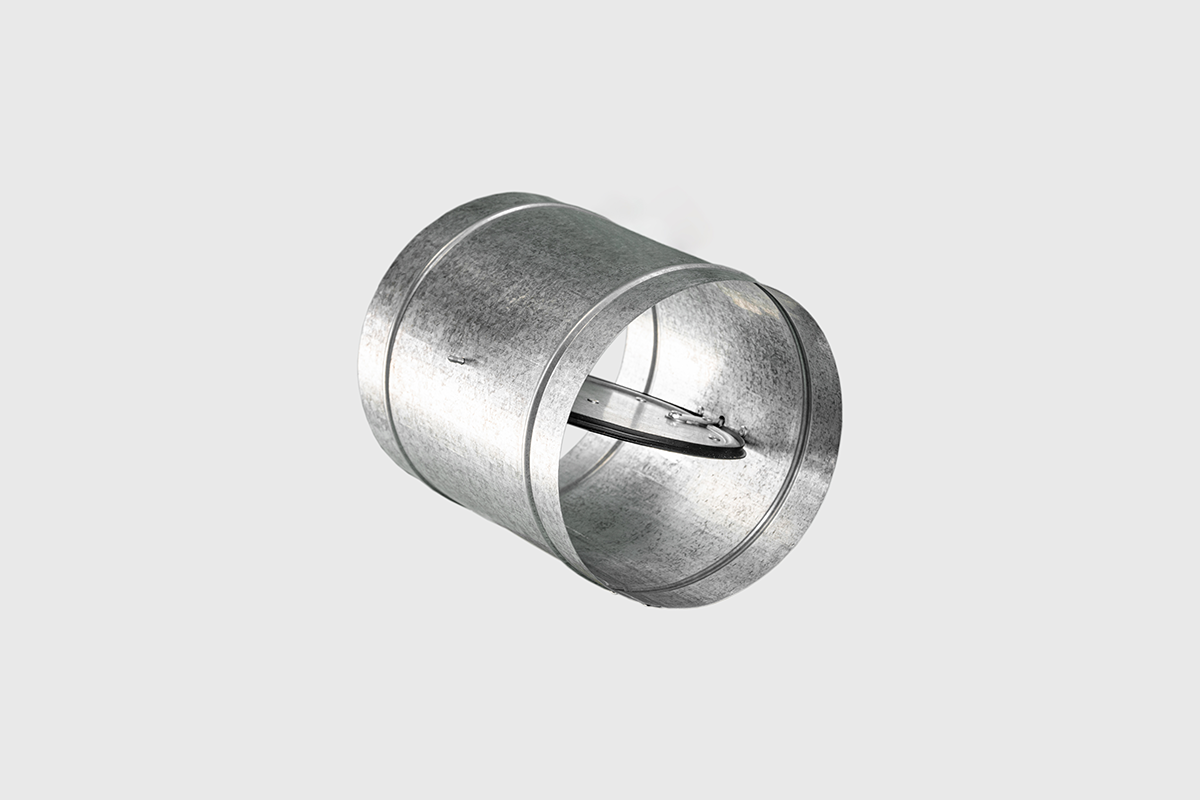
If you’ve ever wondered why some rooms in your home stay warmer or cooler than others, an HVAC damper might be the culprit. These often-overlooked components play a crucial role in directing airflow throughout your home. Yet many homeowners don’t realize they exist until something goes wrong. Understanding how dampers work can help you identify issues with your heating and cooling system before they become expensive problems.
What Is an HVAC Damper?
An HVAC damper is a valve or plate that regulates airflow within your ductwork system. Think of it like a gate that opens and closes to control how much heated or cooled air flows to different areas of your home. When your system runs, these dampers direct conditioned air where it’s needed most. This is why they’re essential for maintaining comfort and efficiency throughout your living space.
Most homes have multiple dampers installed at strategic points in the ductwork. Some operate automatically through your thermostat or zone control system. Others require manual adjustment. Because they’re hidden inside your ducts or sometimes behind registers, you might not even know where yours are located unless you’ve had them pointed out by a technician.
How Dampers Control Your Home’s Climate
The primary job of these components is to balance airflow between different rooms or zones. For instance, if your upstairs gets too hot in summer while the downstairs stays comfortable, a certified technician can adjust dampers to reduce the amount of cool air going to the lower level and send more to the upper floors. That’s why professionally adjusted dampers make such a difference in overall home comfort.
In zoned HVAC systems, dampers work with multiple thermostats to create different temperature zones throughout your home. When one zone calls for heating or cooling, the appropriate dampers open while others stay closed. This targeted approach saves energy since you’re not conditioning spaces that don’t need it at that moment.
Types of HVAC Dampers
Several types of dampers serve different purposes in your heating and cooling system. Manual dampers have a lever on the outside of the duct that controls their position. These are typically used for seasonal adjustments or balancing airflow between floors. Also, they should only be adjusted by trained professionals who understand proper airflow dynamics.
Automatic dampers, on the other hand, operate electronically and respond to signals from your thermostat or zone control panel. These motorized dampers open and close as needed without any manual intervention. Because they’re more sophisticated, they’re also more expensive to install and maintain.
Butterfly and Blade Dampers
Butterfly dampers feature a single blade that rotates to control airflow. They’re common in residential systems because they’re affordable and effective. The blade sits in the center of the duct and rotates 90 degrees to go from fully open to fully closed.
Multi-blade dampers have several blades that work together to regulate air. These provide more precise control and are often used in larger commercial systems. However, you might find them in high-end residential installations as well. Either way, both styles can develop problems over time that affect your system’s performance.
Signs Your HVAC Damper Needs Attention
Uneven temperatures throughout your home often signal damper issues. If one room stays stuffy while another gets too cold, even though your system runs constantly, the dampers might not be opening or closing properly. This happens when the mechanism gets stuck, the motor fails, or the linkage between the motor and blade breaks.
Strange noises coming from your ducts can also indicate damper problems. You might hear banging, rattling, or whistling sounds when your system turns on or off. These noises often mean a damper blade is loose, stuck partially open, or vibrating against the duct walls as air rushes past.
Reduced Airflow and Higher Energy Bills
When a damper gets stuck in the closed position, you’ll notice weak airflow from certain vents. The room served by that duct will struggle to reach the desired temperature. As a result, this forces your system to run longer cycles. Consequently, your energy bills climb even though your comfort level drops.
A damper stuck in the open position causes different issues. Your system might short-cycle because one zone reaches temperature quickly while others lag behind. Plus, you’ll waste energy conditioning spaces that don’t need it at that moment. This adds unnecessary costs to your monthly utility expenses.
What Causes Damper Problems?
Age and wear take their toll on damper components over time. The blade itself can warp from constant exposure to temperature changes. Metal dampers might rust, especially in humid climates or if moisture gets into your ductwork. Plastic components become brittle and crack after years of use.
The motors on automatic dampers eventually fail, just like any electrical component. Dust and debris can accumulate around the motor or in the blade mechanism. This prevents smooth operation. Since these parts are constantly exposed to airflow, they collect more dirt than you might expect. This is why regular maintenance matters so much.
Installation and Adjustment Issues
Sometimes dampers cause problems because they weren’t installed correctly in the first place. If a damper is positioned at the wrong angle or secured improperly, it won’t control airflow effectively. Dampers installed backward completely defeat their purpose.
Dampers that haven’t been adjusted properly by a professional create similar issues. Many homeowners don’t realize these dampers exist or that they require professional seasonal adjustment. For example, a damper set for winter heating might restrict summer cooling. This leaves certain areas uncomfortable for months until a technician diagnoses the real problem.
How Professionals Diagnose Damper Problems
When you contact a licensed HVAC professional about uneven temperatures or airflow issues, we start by inspecting your entire duct system. We locate each damper and test its operation to ensure it opens and closes smoothly. For automatic dampers, we check the electrical connections and verify that the motor responds correctly to signals from your control system.
We also measure airflow at various points throughout your ductwork using specialized equipment. These measurements reveal whether dampers function as designed or if adjustments are needed. In fact, proper airflow balancing requires both technical knowledge and the right tools. This is why this isn’t something homeowners should attempt on their own.
The Professional Repair Process
Once we identify the problem, we can repair or replace faulty dampers. For manual dampers, we’ll free stuck blades, tighten loose hardware, or replace corroded components. Automatic dampers often require motor replacement or rewiring to restore proper function.
After repairs, we thoroughly test the system to confirm that each damper operates correctly. We also adjust all dampers to properly balance airflow throughout your home. This ensures maximum comfort and efficiency. This balancing process takes experience and patience, but it makes a tremendous difference in how your system performs.
The Importance of Regular HVAC Maintenance
Annual maintenance visits give our technicians the opportunity to inspect your dampers before small issues become major problems. During routine service, we check each damper’s operation, clean away accumulated debris, and make any necessary adjustments. This preventive approach saves you money compared to emergency repairs down the road.
Regular maintenance also keeps your entire system running efficiently. When dampers work properly, your heating and cooling equipment doesn’t have to work as hard to maintain comfortable temperatures. That means lower energy bills, fewer repairs, and a longer lifespan for your HVAC investment.
Benefits of Properly Functioning Dampers
When your dampers operate correctly, you’ll enjoy consistent temperatures throughout every room in your home. No more hot spots in summer or cold zones in winter—just reliable comfort wherever you go. This improvement in indoor climate makes your living space more enjoyable for everyone.
Energy savings add up quickly with well-maintained dampers. By directing conditioned air only where it’s needed, your system runs shorter cycles and consumes less energy. Over time, these savings offset the cost of maintenance and repairs. They also reduce your environmental footprint.
Better Indoor Air Quality
Properly functioning dampers contribute to better indoor air quality as well. When your system balances airflow correctly, air circulates more effectively throughout your home. This circulation helps remove stale air, reduces humidity problems, and prevents certain rooms from becoming stuffy or stagnant.
Plus, balanced airflow means your air filter works more efficiently. When dampers force air through restricted pathways, some air bypasses the filter entirely through small leaks in the ductwork. With proper damper operation, more air passes through your filtration system. This keeps your indoor environment cleaner and healthier, particularly important since indoor air quality significantly affects your health and comfort.
Should You Install Zone Control With Dampers?
If your home has significant temperature variations between floors or sections, a zone control system with automatic dampers might be the perfect solution. These systems divide your home into separate zones, each with its own thermostat. The dampers open and close automatically to deliver heating or cooling where it’s needed.
Zone control offers impressive energy savings because you’re not paying to heat or cool unoccupied spaces. You can keep bedrooms cooler during the day and living areas cooler at night. This matches your comfort needs to your actual usage patterns. However, these systems require professional design and installation to work properly, so you’ll want to consult with a licensed HVAC professional about whether zone control makes sense for your home.
Why Professional Service Matters
While it might be tempting to try adjusting dampers yourself, this work requires specialized knowledge to do correctly. Incorrect adjustments can create pressure imbalances that damage your equipment or cause other parts of your system to fail. Many systems have suffered damage from well-intentioned but misguided DIY attempts.
Licensed HVAC technicians have the training and experience to handle any damper issue. We understand how these components integrate with your entire HVAC system. Additionally, we make adjustments that improve overall performance rather than just addressing a single symptom. When you hire a professional, you’re getting expertise that protects your investment.
Get Professional Help for Your HVAC Needs
Our professional HVAC technicians can help solve comfort and efficiency problems related to heating and cooling systems. We stay current with the latest HVAC technology, including advanced damper systems and zone controls. Also, we offer thorough diagnostics and lasting solutions rather than quick fixes that don’t address the underlying issues.
Whether you’re dealing with uneven temperatures, strange noises from your ducts, or simply want to improve your home’s energy efficiency, we can help. Our team treats your home with care and explains what we find in plain language. This way, you can make informed decisions about repairs or upgrades.
Don’t let damper problems compromise your comfort or waste your energy dollars. If you’re experiencing issues with your ductwork or need professional duct system service, or if you’re considering upgrades that might require financing options for your HVAC system, reach out to professional duct sealing services today to schedule a comprehensive system inspection. We’ll identify any issues with your dampers or other components and recommend solutions that fit your needs and budget.
Frequently Asked Questions
How often should HVAC dampers be inspected?
Dampers should be inspected annually during routine HVAC maintenance. Licensed technicians check damper operation, clean accumulated debris, and make necessary adjustments during these visits. Regular inspections prevent small problems from becoming costly repairs. They also ensure your system maintains optimal efficiency throughout the year.
Can a stuck damper damage my HVAC system?
Yes, a stuck damper can cause significant damage over time. When dampers don’t operate correctly, your system experiences improper airflow and pressure imbalances. This forces your equipment to work harder. As a result, it leads to premature wear on the blower motor, compressor, and other components. Early detection by a licensed professional prevents these expensive problems.
What’s the difference between manual and automatic dampers?
Manual dampers require professional adjustment using a lever on the ductwork, typically for seasonal changes. Automatic dampers use electric motors controlled by your thermostat or zone system. They open and close as needed. Automatic dampers offer more convenience and precision but cost more to install. They may also require occasional motor replacement by a licensed professional.
How do I know if my home has dampers?
Most homes have at least a few dampers in the main trunk lines of the ductwork. Look for metal levers protruding from large ducts in your basement, attic, or crawlspace. However, many dampers are hidden or built into the ductwork. Licensed HVAC technicians can locate all your dampers and explain their function during a service visit.