

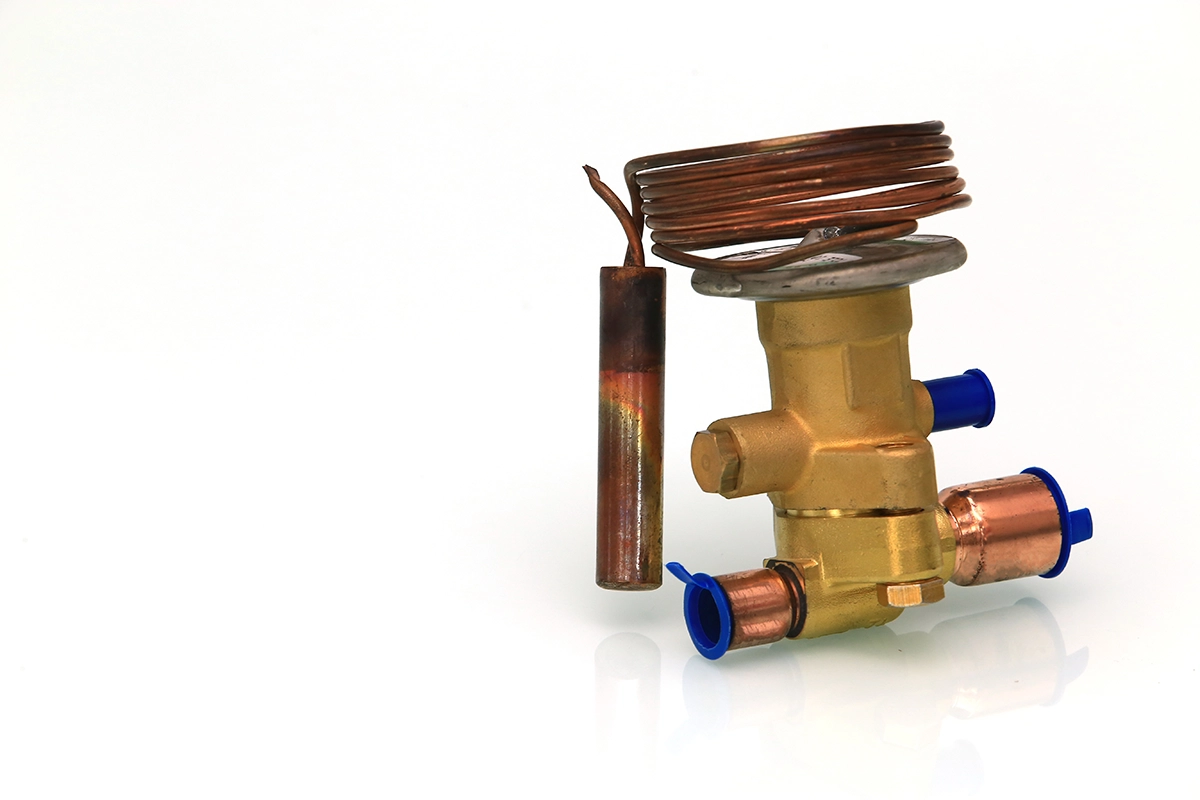
When your HVAC system isn’t cooling or heating properly, the problem often traces back to a small but crucial component: the HVAC service valve. These specialized valves control refrigerant flow throughout your air conditioning and heating system. When they malfunction, your entire comfort system can suffer. At Premier Comfort Solutions, we’ve seen countless cases where homeowners struggled with temperature issues. Often, they discover that a faulty service valve was the culprit. Understanding how these valves work helps you identify issues early. Plus, recognizing the warning signs of problems can protect your investment in home comfort.
What Is an HVAC Service Valve and Why Does It Matter?
Service valves are essential components in your heating and cooling system. They allow technicians to safely access, test, and service the refrigerant circuit. These valves typically come in two types: Schrader valves and stem valves. Schrader valves work similarly to tire valves. Meanwhile, stem valves use a rotating mechanism to open or close the refrigerant flow. Both types serve the same fundamental purpose—controlling when and how refrigerant moves through your system.
Most residential HVAC units have at least two service valves. One sits on the suction line (low-pressure side) and one on the liquid line (high-pressure side). These valves give technicians the ability to measure pressures, add or recover refrigerant, and isolate different sections of your system during repairs. Without properly functioning valves, even routine maintenance becomes complicated or impossible.
Common Problems with HVAC Service Valves
Over time, service valves can develop several issues that impact your system’s performance. Because these components handle high-pressure refrigerant and experience frequent temperature changes, they’re vulnerable to wear and damage. Fortunately, recognizing the symptoms early helps prevent minor issues from becoming costly repairs.
Refrigerant Leaks at the Valve
One of the most common problems is refrigerant leaking from service valves. These leaks often develop around the valve stem, core, or connection points. Since refrigerant is essential for heat transfer, even small leaks gradually reduce your system’s efficiency. As a result, you might notice your air conditioner running longer to cool your home. In some cases, it fails to reach the desired temperature. Sometimes you’ll hear a hissing sound near the outdoor unit, which indicates escaping refrigerant.
Valve core issues typically cause these leaks. The core contains a spring-loaded pin that seals the valve when closed. However, this seal can deteriorate from age, corrosion, or damage during previous service work. When a valve core fails, refrigerant escapes slowly but continuously. Eventually, this leaves your system undercharged.
Stuck or Frozen Valves
Sometimes service valves become stuck in one position, either fully open or partially closed. This happens when corrosion builds up on the valve stem. It can also occur when internal components seize from lack of use. A stuck valve creates serious problems during service appointments. That’s because technicians need to manipulate these valves to work on your system safely.
Frozen valves present a different challenge. If moisture enters the refrigerant system, it can freeze at the valve. This blocks refrigerant flow and causes uneven cooling. You might also notice ice buildup on the outdoor unit and potential compressor damage. That’s why addressing a malfunctioning service valve quickly protects your entire HVAC investment.
Broken or Damaged Valve Caps
While valve caps might seem insignificant, they play a vital protective role. These caps shield the valve core from dirt, moisture, and debris that could compromise the seal. Outdoor units are frequently found with missing or damaged caps. This often happens after storms or when caps are removed and not replaced.
Without proper caps, contaminants enter the valve assembly. This leads to leaks and corrosion. Plus, the caps provide a secondary seal that helps contain refrigerant if the valve core develops a small leak. Missing or damaged caps are something our team will check and replace during routine maintenance. It’s a simple preventive measure that protects your system.
Warning Signs Your Service Valves Need Attention
Your HVAC system usually gives clear signals when service valves are failing. Learning to recognize these warning signs helps you contact a professional before minor issues escalate. This prevents major repairs or system failure.
Declining cooling or heating performance is often the first symptom homeowners notice. Because refrigerant leaks at the valves gradually reduce system charge, your air conditioner or heat pump struggles to transfer heat effectively. You might find that your home takes longer to cool down on hot days. Additionally, certain rooms may never reach comfortable temperatures.
Ice formation on the outdoor unit suggests restricted refrigerant flow. This can result from a partially closed or damaged valve. The ice typically appears on the refrigerant lines or around the service valve ports. This isn’t normal operation—your outdoor unit should never have ice buildup during cooling mode.
Unusual sounds coming from your HVAC equipment warrant investigation too. A hissing or bubbling noise near the outdoor unit often indicates refrigerant escaping from a leaky service valve or connection. Meanwhile, gurgling sounds might point to refrigerant flow restrictions caused by valve problems.
Higher energy bills without increased usage can signal that your system is working harder. This happens due to low refrigerant levels from a leaking valve. When your HVAC unit runs inefficiently, it consumes more electricity to achieve the same comfort level. That shows up on your utility statement.
How Professionals Diagnose Service Valve Issues
When you contact a licensed HVAC professional about potential valve problems, we follow a systematic diagnostic process. First, we start by measuring refrigerant pressures at both the high and low side service valves using specialized gauges. These pressure readings indicate whether your system has the correct refrigerant charge. They also show if the valves are functioning properly.
Next, we perform a thorough visual inspection of each valve. We look for signs of oil residue, corrosion, or physical damage. Oil stains around a valve typically indicate a refrigerant leak. This is because the oil circulates with the refrigerant throughout the system. We also check that each valve operates smoothly without excessive resistance or binding.
For suspected leaks, we use electronic leak detection equipment or soap bubble tests to pinpoint the exact location. This precision matters because repair approaches differ depending on the leak’s origin. The leak might come from the valve core, stem seal, or connection fitting. We also verify that valve caps are present and in good condition.
Professional Repair and Replacement Solutions
Once a service valve problem has been identified, we’ll recommend the appropriate solution. Our recommendation is based on the severity and location of the issue. Minor leaks at the valve core often require only replacing the core itself. This is a relatively straightforward repair that doesn’t involve major system work.
For more significant valve damage or corrosion, complete valve replacement becomes necessary. Our technicians will recover the refrigerant from your system and remove the damaged valve. Then, they install a new one with proper brazing techniques. Finally, they evacuate and recharge the system with the correct refrigerant amount. We have the specialized equipment and EPA certification required to handle refrigerant safely during these repairs.
Stem seal repairs address leaks occurring where the valve stem passes through the body. We’ll carefully disassemble the valve and replace worn seals. Then we properly reassemble it to ensure a lasting repair. Throughout any service valve work, we follow manufacturer specifications and industry best practices. This guarantees reliable results.
Preventing Future Service Valve Problems
Regular maintenance is your best defense against valve failures and refrigerant leaks. During annual tune-ups, we inspect all accessible valves for early warning signs of problems. We check for corrosion and verify that caps are secure. We also ensure valves move freely. This preventive approach catches minor issues before they cause system breakdowns.
Keeping your outdoor unit clear of vegetation, debris, and yard equipment also protects the service valves from physical damage. Maintaining at least two feet of clearance around your condenser unit is recommended. This way, nothing bumps or strikes the refrigerant lines and valves.
Professional service matters too. When you need refrigerant added or system repairs performed, always hire licensed HVAC technicians. They know how to handle the valves properly. Improper valve operation or over-tightening during service can damage these components and create future leaks.
The Cost of Ignoring Valve Problems
Delaying repairs when you suspect service valve issues leads to progressively worse problems. A small refrigerant leak might seem manageable at first. However, as your system loses charge, several damaging situations develop. Your compressor works harder trying to circulate insufficient refrigerant. This increases wear and shortens its lifespan. Since compressor replacement represents one of the most expensive HVAC repairs, protecting this component makes financial sense. Therefore, addressing valve leaks promptly is wise.
Additionally, operating with low refrigerant reduces efficiency dramatically. You’re spending more money on electricity while getting less cooling or heating in return. The cumulative cost of higher energy bills often exceeds what you would have spent on timely valve repairs.
Environmental responsibility matters too. Refrigerant released into the atmosphere contributes to ozone depletion and climate change. Even small leaks add up over time. That’s why EPA regulations require proper refrigerant handling and leak repairs. Taking care of valve problems promptly demonstrates good environmental stewardship.
Why Professional Service Makes the Difference
Working with refrigerant systems requires specialized knowledge, equipment, and certification. Our technicians receive ongoing training on the latest technologies and repair techniques. We have the pressure gauges, leak detectors, recovery equipment, and vacuum pumps necessary to service valves correctly.
We also understand how service valve problems fit into the bigger picture of system performance. When diagnosing cooling issues, we don’t just look at the valves in isolation. Instead, we evaluate airflow, electrical components, refrigerant charge, and overall system operation. This helps us identify root causes and recommend comprehensive solutions.
If you’re experiencing any signs of service valve problems, schedule an inspection for a thorough inspection and accurate diagnosis. Quality repairs performed by our certified technicians ensure your system operates safely and efficiently for years to come.
Frequently Asked Questions
How much does it cost to replace an HVAC service valve?
Service valve replacement typically costs between $150 and $400. The price depends on the valve location, type, and refrigerant involved. The cost includes refrigerant recovery, the new valve, and labor for brazing installation. It also covers system evacuation and recharging. Complex installations or hard-to-access valves may cost more.
Can I replace a service valve core myself to stop a leak?
No, you should never attempt this repair yourself. Working with refrigerant requires EPA certification. Improper service causes additional refrigerant loss, system contamination, and potential injury. Therefore, service valve repairs must be performed by licensed HVAC technicians. They have the proper equipment to recover refrigerant safely before making repairs.
How often should service valves be inspected?
Service valves should be inspected during annual HVAC maintenance visits. We check for leaks, corrosion, proper operation, and secure valve caps during routine tune-ups. Between professional visits, homeowners should watch for warning signs. These include declining performance, unusual sounds, or ice buildup indicating potential valve problems.
What causes service valves to fail prematurely?
Premature valve failure typically results from corrosion due to moisture exposure. Physical damage from impacts or improper handling also causes failure. Additionally, excessive vibration from an unbalanced system or over-tightening during previous service work contributes to problems. Missing valve caps accelerate deterioration by allowing contaminants into the valve assembly. This leads to seal damage and refrigerant leaks.