

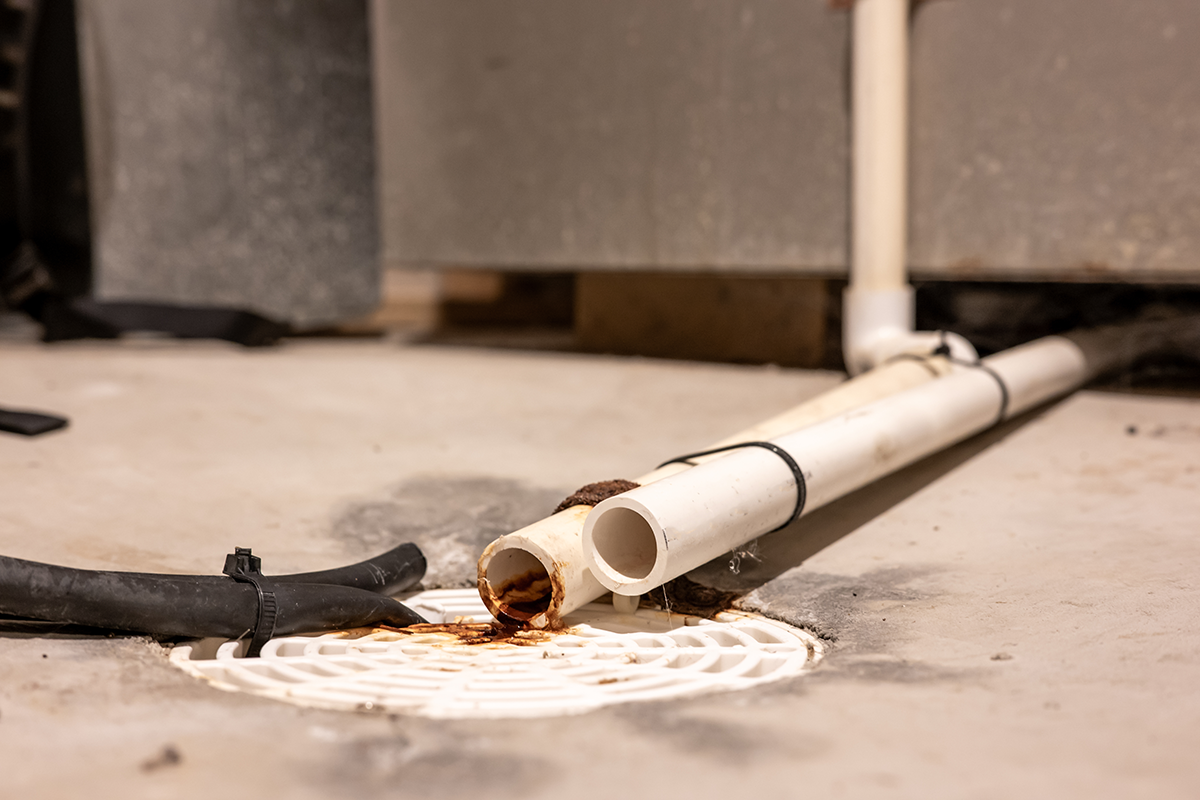
When your AC starts leaking water onto the floor or doesn’t seem to cool your home properly, the cause might surprise you. An ac drain line clogged with algae, mold, or debris is one of the most common yet overlooked problems homeowners face during cooling season. This small PVC pipe plays a crucial role in your system’s operation. When it backs up, the consequences can range from minor water puddles to significant system damage. Understanding what’s happening inside your air conditioning system helps you catch problems early. It also helps you know when to call for professional help.
What Your AC Drain Line Does and Why It Matters
Your air conditioner does more than just cool the air in your home. As warm, humid air passes over the evaporator coil, moisture condenses out of the air. This moisture collects on the coil’s surface. That’s actually how your AC removes humidity from your living space. However, this condensation has to go somewhere. That’s exactly why your system includes a condensate drain line.
This drain line is typically a white PVC pipe. It carries water away from your indoor unit to the outside of your home or into a floor drain. On a hot, humid day in Haysville, your AC might remove several gallons of water from your indoor air. The constant moisture and the dark, enclosed environment inside the drain line create problems. These conditions make it the perfect breeding ground for algae, mold, and slime buildup. When an ac drain line clogged with this biological growth goes unnoticed, water flow becomes severely restricted.
Common Signs Your AC Drain Line Is Clogged
Recognizing the warning signs early can save you from water damage and costly repairs. Most homeowners first notice something’s wrong when they see water where it shouldn’t be. However, there are several indicators that point to drainage problems before major issues develop. Understanding these symptoms helps you identify when your ac drain line clogged condition requires immediate attention.
Water Pooling Around Your Indoor Unit
The most obvious sign is water collecting in the drain pan beneath your air handler or furnace. If you notice puddles forming around your indoor unit, the drain line is likely blocked. This blockage prevents water from flowing out properly. The drain pan serves as a backup to catch overflow. Still, it’s not designed to hold water for extended periods.
Your AC Shuts Down Unexpectedly
Modern air conditioning systems include a safety switch. This switch detects when the drain pan fills with water. Once triggered, this float switch automatically shuts down your entire system. This prevents water damage and flooding. If your AC suddenly stops working on a hot day and you see water in the drain pan, you’re likely dealing with an ac drain line clogged situation that requires professional service.
Musty Odors Coming from Your Vents
When water backs up and sits stagnant in your drain pan or line, mold and mildew thrive. This environment is perfect for their growth. You might notice a musty, unpleasant smell coming through your vents when the system runs. This odor indicates standing water somewhere in your HVAC system. Often, this happens because of drainage issues.
Visible Mold Growth Near the Indoor Unit
Check the area around your air handler for signs of mold or water staining. Excess moisture creates the ideal conditions for mold growth. As a result, you might see discoloration on walls, ceilings, or the unit itself. This visible mold suggests water has been overflowing for some time.
What Causes an AC Drain Line to Clog
Understanding why blockages happen helps you appreciate the importance of preventive maintenance. The condensate drain line faces constant challenges. Eventually, these challenges lead to restrictions in water flow.
Algae and mold naturally grow in the moist, dark environment inside the drain pipe. Your AC removes humidity from the air. That moisture creates perfect conditions for biological growth. Over time, this slimy buildup accumulates on the pipe walls. It gradually narrows the passage until water can no longer flow freely. This is the primary reason why an ac drain line clogged problem develops in most residential cooling systems.
Dust and debris from your indoor air also contribute to clogs. Even with a clean air filter, microscopic particles circulate through your system. These particles can mix with the condensate water, creating a sludge that sticks to the drain line. In some cases, insects or other small creatures may enter the outdoor opening of the drain line. This can cause an obstruction.
Why Professional Cleaning Makes a Difference
You might be tempted to tackle a clogged AC drain line yourself. However, professional service ensures the problem is completely resolved without risking damage to your system. Certified technicians have the proper tools and expertise to thoroughly clear blockages. They can also identify any underlying issues.
Our professionals use specialized equipment like wet/dry vacuums and safe cleaning solutions. These are designed specifically for HVAC systems. Professional cleaning involves more than just clearing the immediate blockage. We’ll inspect the entire drainage system. Additionally, we check the drain pan for cracks or rust. We also verify the safety float switch works properly and ensure water flows freely through the entire line.
Attempting to clear a drain line without proper knowledge can sometimes push the clog further into the pipe. It might also damage components. For instance, using the wrong type of cleaning solution might corrode PVC pipes or harm system parts. That’s why hiring a licensed professional is recommended whenever you suspect drainage problems.
What Happens If You Ignore a Clogged Drain Line
Putting off repairs when your ac drain line clogged becomes apparent can lead to increasingly serious problems. The consequences extend far beyond a simple inconvenience. They can potentially affect your home’s structure and your household’s health.
Water damage tops the list of concerns. When water overflows from the drain pan, it can soak into ceilings, walls, and floors. This moisture penetration damages drywall and ruins insulation. It also stains ceilings and can even compromise structural wood. The cost of repairing extensive water damage far exceeds the price of addressing a drainage issue promptly.
Mold growth becomes a serious health concern when standing water persists. Mold spores circulate through your ductwork and into your living spaces. This can potentially trigger allergies, respiratory problems, and other health issues. Once mold establishes itself in your HVAC system or home structure, remediation becomes expensive and complicated.
Your AC system itself suffers when it can’t drain properly. The safety switch prevents operation. This means you lose cooling on the hottest days. Even worse, if that safety mechanism fails, your system might run without proper drainage. This can potentially cause electrical shorts or compressor damage from water exposure.
Preventing Future Drain Line Clogs
Regular maintenance is the key to avoiding drainage problems. During annual tune-ups, our technicians will inspect and clean your condensate drain line. This is part of comprehensive system care. This preventive approach catches small issues before they become major headaches.
Keeping your air filter clean also helps reduce the debris that contributes to clogs. A dirty filter allows more dust and particles to circulate through your system. Eventually, these mix with condensate water. Checking your filter monthly during peak cooling season is important. Also, replacing it according to the manufacturer’s guidelines is recommended.
Scheduling professional maintenance twice a year is also helpful. Once before cooling season and once before heating season gives our technicians the opportunity to clean your drain line. They can also check all system components. This routine service significantly reduces the likelihood of unexpected breakdowns. It also extends your equipment’s lifespan.
When to Call for Professional Help
Don’t wait until you’re dealing with water damage or a complete system shutdown. If you notice any warning signs like water around your unit, unusual odors, or your AC shutting down unexpectedly, contact a licensed HVAC professional right away. Our team responds quickly to drainage emergencies. We can typically resolve the issue in a single visit.
Even if you haven’t noticed obvious problems, regular maintenance appointments keep your system running efficiently. Professional HVAC services protect your comfort and your investment. We take pride in thorough work and clear communication. This ensures you understand exactly what’s happening with your system.
A clogged AC drain line might seem like a minor issue. However, it deserves immediate professional attention. We’re here to help you maintain a comfortable, healthy home environment all year long. If you’re experiencing drainage issues or want to prevent them with routine service, give us a call today.
Frequently Asked Questions
How often should my AC drain line be cleaned?
Your AC drain line should be professionally cleaned at least once per year. Ideally, this happens during your annual maintenance visit before cooling season begins. Homes in humid climates or with heavy AC use may benefit from cleaning twice yearly. Regular professional cleaning prevents algae and mold buildup. This buildup leads to clogs and system shutdowns.
Can I pour bleach down my AC drain line myself?
This is not recommended. Bleach can corrode certain pipes and components. Improper application may damage your drain pan or other parts. A certified technician will use appropriate cleaning solutions. These are specifically formulated for HVAC systems. They effectively clear blockages without causing harm to your equipment. Let our professionals handle drain line maintenance safely.
How much does it cost to fix a clogged AC drain line?
Professional drain line cleaning typically costs between $75 and $200. The cost depends on the severity of the clog and your system’s configuration. This service is often included as part of routine maintenance visits. Waiting until water damage occurs will cost significantly more. Repairs may involve ceiling replacement, mold remediation, and structural fixes.
Why does my AC drain line keep clogging repeatedly?
Recurring clogs suggest an underlying issue. This might be inadequate slope in the drain pipe, a damaged drain pan, insufficient maintenance, or excessive dust in your home. A certified technician can diagnose why your drain line clogs frequently. They can also recommend permanent solutions. For example, installing a drain line treatment system or correcting improper pipe installation.