

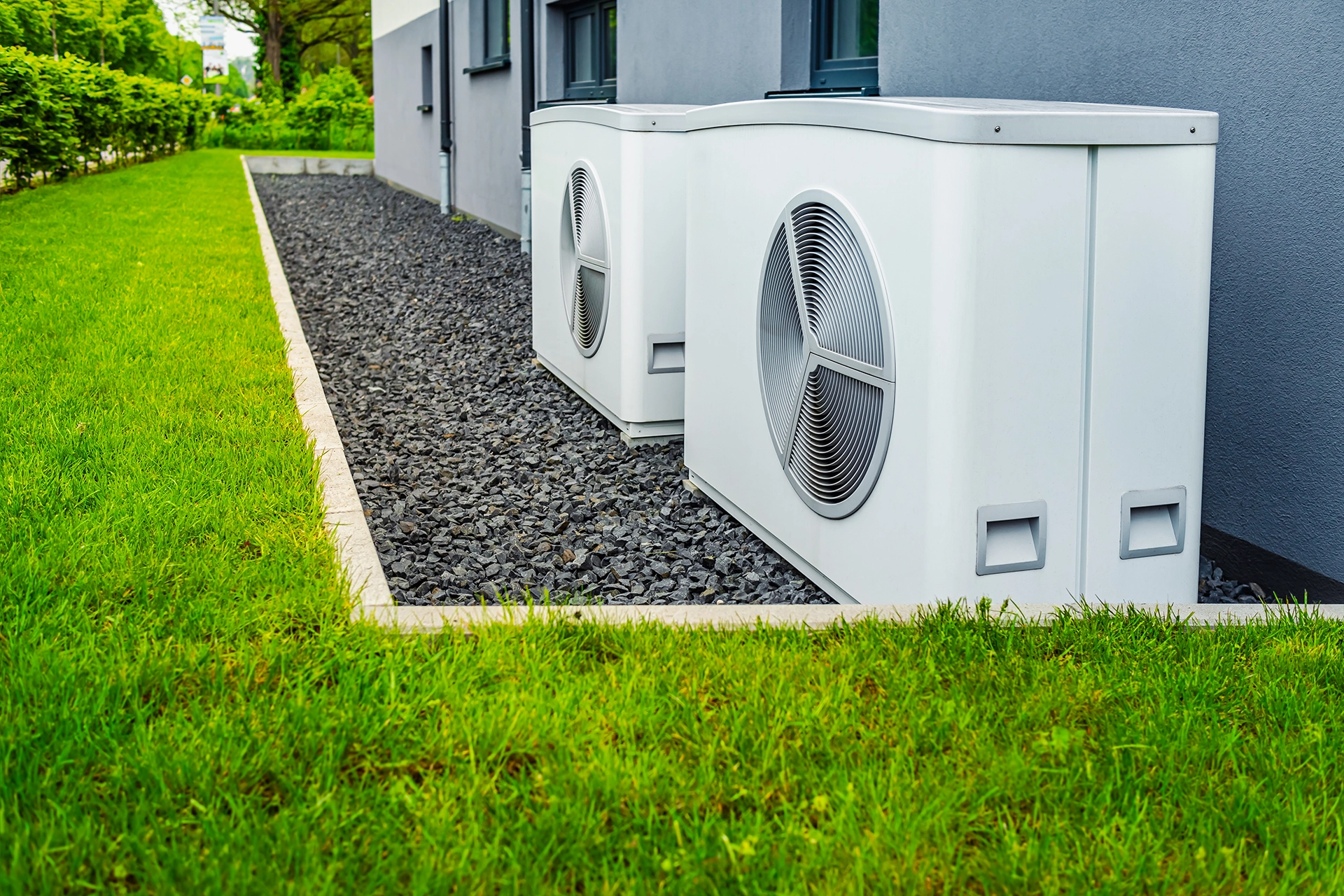
If you’ve ever wondered how long do AC units last, you’re not alone—it’s one of the most common questions we hear from homeowners planning for comfort and budgeting for the future. On average, a well-maintained air conditioning system can keep your home cool for 15 to 20 years. That lifespan depends heavily on factors like maintenance habits, usage patterns, and local climate conditions. Because no two systems age exactly the same way, understanding what influences longevity helps you recognize early warning signs before a minor issue becomes a costly emergency.
We’ve worked with countless homeowners who thought their AC had years left, only to face an unexpected breakdown during the hottest stretch of summer. That’s why knowing what to expect—and when to call a professional—makes all the difference in keeping your home comfortable year after year.
How Long Do AC Units Last?
When you’re noticing your air conditioner struggling to keep up with Haysville’s summer heat, one of the first questions on your mind is probably whether it’s time for a replacement or just a repair. According to Carrier, most air conditioning systems last 15 to 20 years with proper maintenance. That lifespan can drop significantly—sometimes to just 10 to 12 years—when routine care is neglected. Understanding where your system falls in that range can help you make informed decisions before you’re left without cooling on the hottest day of the year.
Several factors influence how long do AC units last and how effectively they serve your home. The quality of the initial installation plays a big role. So does the frequency of professional maintenance visits. Other influences include how hard your system works during extreme weather and even the quality of your indoor air filtration. If your unit is approaching or has passed the 15-year mark and you’re experiencing frequent breakdowns, rising energy bills, or uneven cooling, these are often signs that your system is nearing the end of its useful life.
We can perform a thorough assessment to help you understand whether a repair makes sense or if replacement is the more cost-effective path forward.
What Factors Affect Your AC Unit’s Lifespan?
When homeowners ask us how long do AC units last for their specific situation, we always explain that the answer depends on several interconnected factors. According to Trane, climate and usage are major contributors. AC units in warm regions like the South may have shorter lifespans than those in cooler areas. Here in Haysville, where we experience hot, humid summers and our systems work hard for months at a time, these considerations matter even more.
Maintenance habits make an enormous difference in system longevity. Units that receive annual professional tune-ups, filter changes, and timely repairs consistently outlast neglected systems by years. Installation quality is equally critical. If your system was improperly sized or the ductwork wasn’t sealed correctly during original installation, you’re likely experiencing excess strain that accelerates wear. We frequently find that systems struggling with premature failure trace back to poor initial setup or deferred maintenance issues that compounded over time.
System type also plays a role. High-efficiency variable-speed models often include advanced components that require specialized care. In contrast, single-stage units tend to have simpler mechanics. We can evaluate your specific system’s condition, usage patterns, and maintenance history. From there, we give you an honest assessment of its remaining lifespan and recommend the best path forward.
Signs Your AC Unit Is Nearing the End
Recognizing the warning signs early can save you from an emergency breakdown during a Kansas heatwave. If your system is cycling on and off more frequently than normal, struggling to maintain your set temperature, or running constantly without cooling effectively, these are red flags we see often. Unusual noises—grinding, squealing, or banging—typically indicate worn internal components that won’t last much longer.
Rising energy bills without increased usage often signal declining efficiency. That means your unit is working harder to deliver less cooling. If you’re calling for repairs multiple times per season, or if refrigerant leaks keep recurring, the cumulative cost often exceeds replacement value. Visible rust, moisture around the unit, or inconsistent airflow room-to-room also suggest your system is deteriorating. These symptoms directly impact how long do AC units last in practical, functional terms for your home.
When you notice these symptoms, we recommend scheduling a comprehensive system evaluation. Our certified technicians can measure performance metrics, inspect wear patterns on critical components, and give you an honest assessment of whether repair or replacement makes the most financial sense. Don’t wait for a complete failure—contact us today for a no-pressure inspection that helps you plan ahead.
How to Maximize Your AC Unit’s Life
While most air conditioning systems are built to last 12 to 15 years, the lifespan of your unit largely depends on how well it’s maintained. Preventive care is the single most effective way to extend how long do AC units last. It also helps you avoid costly emergency breakdowns during Haysville’s hottest summer days.
Working with our professional team for regular maintenance is essential. During routine service visits, our certified technicians change filters, clean coils, and check system refrigerant. They also test electrical connections, calibrate thermostats, and inspect the entire system for signs of stress or impending failure. These comprehensive tune-ups catch small issues before they become major failures and keep your system running at peak efficiency.
Other protective measures include keeping your outdoor unit clear of debris and ensuring proper airflow around the condenser. Plus, address unusual noises or performance changes immediately. When you notice reduced cooling, strange sounds, or higher energy bills, these are often early warning signs that a certified technician should evaluate. Following energy-efficient air conditioning practices can also help reduce strain on your system. Our maintenance plans are designed to keep your system running efficiently year after year, helping you get the maximum return on your investment.
Repair vs. Replace: When It’s Time for a New Unit
When your air conditioner breaks down, deciding between repair and replacement isn’t always straightforward. Understanding how long do AC units last under typical conditions helps frame this important decision. We typically recommend using the “50% rule” as a starting point. If the repair cost exceeds 50% of what a new, properly-sized system would cost, and your unit is past the halfway point of its expected lifespan, replacement usually makes better financial sense. For example, if your 12-year-old system needs a major compressor replacement, investing in a new, energy-efficient unit often delivers better long-term value.
Beyond the numbers, consider frequency and pattern. If you’ve called for repairs multiple times in the past two years, or if your energy bills have climbed steadily despite normal usage, your system is telling you it’s nearing the end. We also factor in refrigerant type. Older units using R-22 refrigerant face expensive, increasingly scarce replacement costs that tip the scale toward replacement.
Our technicians provide honest assessments during every service call. We’ll walk you through repair costs, remaining lifespan estimates, efficiency comparisons, and financing options so you can make a confident decision. Call us today for a no-pressure evaluation of your system’s condition and your best path forward.
Let Us Assess Your AC System Today
Whether your air conditioner is approaching the end of its expected lifespan or showing troubling signs of decline, we’re here to give you clear answers about what’s happening and what comes next. Our licensed technicians will perform a comprehensive system evaluation. They’ll check system refrigerant, electrical connections, compressor function, airflow efficiency, and dozens of other critical components that determine how much life your unit has left. We’ll identify hidden problems before they turn into emergency breakdowns and help you understand whether a repair makes sense or if replacement is the smarter investment.
We believe homeowners in Haysville, KS deserve honest recommendations based on real diagnostic findings—not sales pressure. We’ll walk you through exactly what we found and explain your options in plain language. Then we’ll help you make the most cost-effective decision for your home and budget. If your AC is struggling to keep up, making unusual sounds, or simply getting older, don’t wait until the hottest day of summer to find out you’re facing an expensive emergency. Schedule your system assessment and get the peace of mind that comes with knowing exactly where you stand.
Frequently Asked Questions
How long do AC units last on average?
Most air conditioning units last 15 to 20 years with proper maintenance. Neglected systems often fail after just 10 to 12 years. Here in Haysville, where our systems work hard through hot, humid summers, regular professional tune-ups and timely repairs make a significant difference in reaching that upper range and avoiding premature replacement.
What are the signs my air conditioner is dying?
Common warning signs include frequent cycling, unusual noises like grinding or banging, inconsistent cooling, rising energy bills, and repeated repair needs. If your system is over 12 years old and showing multiple symptoms, we recommend scheduling a professional assessment. Our technicians can evaluate whether repair makes sense or if replacement is the better investment.
How often should I service my AC to make it last longer?
We recommend annual professional maintenance before cooling season begins. During tune-ups, our technicians clean coils, check system refrigerant, test electrical connections, and catch small problems before they become expensive failures. This preventive care consistently extends system lifespan by several years. It also ensures your system operates at peak efficiency.
Is it worth repairing a 15-year-old air conditioner?
It depends on the repair cost and system condition. If repairs exceed 50% of replacement cost and your unit is past 12 years old, replacement usually makes better financial sense. We’ll evaluate your specific situation, explain exactly what’s failing, and give you honest guidance on whether repair or replacement delivers better long-term value for your home.