

As winter dries out the air and spring brings pollen through every open window, homeowners often wonder whether a humidifier vs air purifier is the better investment for their indoor comfort. The answer depends on what your home needs most: if dry air is causing static shocks, cracked skin, or respiratory discomfort, a humidifier adds the moisture your space is missing. On the other hand, if allergies, dust, pet dander, or odors are your main concern, an air purifier filters out those airborne particles to help you breathe easier. In fact, many homes benefit from both devices working together, especially when seasonal changes bring multiple challenges at once. We help homeowners understand which system—or combination—will make the biggest difference in their day-to-day comfort and air quality.
Understanding Indoor Air Quality Needs
When you notice persistent stuffiness, frequent sneezing, or dry skin throughout the winter months in your Haysville home, the source often traces back to indoor air quality. Many homeowners reach out to us wondering whether a humidifier or an air purifier will solve their discomfort. The answer depends entirely on what’s affecting your air. According to Bryant HVAC, air purifiers remove dust and allergens from indoor air, while humidifiers add moisture to dry air to relieve skin irritation and respiratory discomfort. These devices address two fundamentally different problems. Recognizing which issue you’re facing is the first step toward breathing easier.
If you’re dealing with visible dust accumulation on surfaces, allergy flare-ups that persist year-round, or lingering odors, you’re likely experiencing airborne particle problems that an air purifier targets. On the other hand, static shocks when you touch doorknobs, cracked lips even when you’re drinking plenty of water, or a scratchy throat every morning point to low humidity. This is especially common during our Kansas winters when furnaces strip moisture from heated air. Some homes struggle with both issues simultaneously. That’s why we often assess your complete HVAC system and indoor environment during a service call to recommend the most effective solution for your specific situation.
What’s the Difference: Humidifier vs Air Purifier
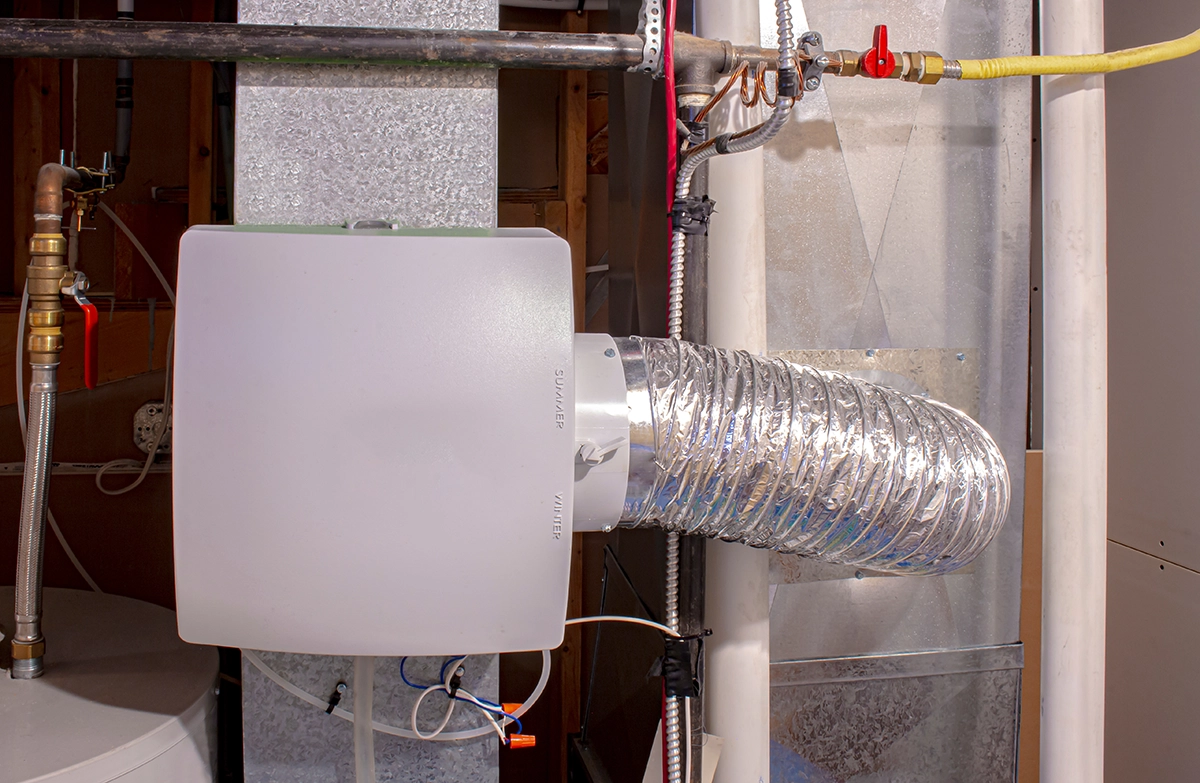
When you’re trying to improve your indoor air quality, it’s easy to confuse these two devices—but they solve completely different problems. A humidifier adds moisture to the air in your home, raising relative humidity levels when your air becomes too dry. This typically happens during winter months in Haysville when your furnace runs constantly and strips moisture from indoor air. If you notice static shocks, cracked wood trim, or wake up with a dry throat, you’re likely dealing with low humidity. A whole-home humidifier integrated with your HVAC system introduces water vapor evenly throughout your ductwork, bringing moisture levels back to a comfortable range.
An air purifier works in the opposite direction—it removes contaminants rather than adding anything. While your standard furnace filter catches larger particles like dust and lint, a dedicated air purifier (sometimes called an air cleaner or media filter) targets much finer irritants: pollen, pet dander, mold spores, bacteria, and even smoke particles. According to Trane HVAC, HVAC air purifiers are 20-100 times more effective than standard 1-inch furnace filters at removing particles and irritants. These systems use high-efficiency filtration media or electronic filtration technology to trap microscopic pollutants as air circulates through your system. They pull them out before they reach your living spaces.
The key distinction: a humidifier changes your air’s moisture content, while an air purifier changes its cleanliness. You might need one or both depending on what’s affecting your comfort. When we assess your home’s air quality, we measure humidity levels, inspect your current filtration setup, and evaluate which symptoms you’re experiencing most—dry skin and respiratory irritation from low moisture, or allergy and asthma triggers from airborne particles. Many homeowners in our area benefit from both systems working together as part of a complete indoor air quality strategy. If you’re unsure which solution fits your home, our licensed team can test your air and recommend the right equipment for your specific comfort concerns.
Health Benefits: Humidifier vs Air Purifier
If you’re dealing with persistent allergy symptoms, respiratory irritation, or dry skin at home, understanding how each device addresses your specific health concerns will help you make the right choice. A humidifier adds moisture to the air, which can ease dry nasal passages, reduce static electricity, and soothe cracked skin during Haysville’s dry winter months. When indoor humidity drops below 30 percent, you may notice more frequent nosebleeds, aggravated asthma symptoms, and increased susceptibility to respiratory infections.
An air purifier, on the other hand, removes airborne particles—dust, pollen, pet dander, mold spores, and smoke—by pulling air through a filtration system that captures particulate matter (the tiny solid or liquid particles suspended in the air). If you wake up congested, experience seasonal allergy flare-ups, or notice dust settling on surfaces within a day of cleaning, an air purifier targets those triggers directly.
We often see homeowners struggle with overlapping symptoms. That’s why a thorough assessment matters. If your HVAC system’s humidity control isn’t properly balanced, improperly installed humidification equipment might create conditions that encourage mold growth in ductwork. Similarly, if your furnace filter is clogged or your home has underlying air-quality issues, a single portable purifier may only address part of the problem. When we evaluate your indoor air quality, we look at your whole-home comfort system—ductwork, filtration, ventilation, and humidity levels—so you’re not layering devices that work against each other. If you need help determining which solution fits your household’s health needs and your existing HVAC setup, give us a call.
When to Use a Humidifier vs an Air Purifier
Your symptoms and the season often point to the right solution. If you wake up with dry, cracked lips, static shocks throughout the house, or notice wood floors separating at the seams during winter, low humidity is usually the culprit—and a humidifier addresses it directly. Haysville winters can drop indoor humidity well below the comfortable 30–50 percent range, especially when your furnace runs continuously. A humidifier adds moisture back into the air, relieving dry skin, scratchy throats, and even reducing the survival rate of airborne viruses on surfaces.
On the other hand, if you’re sneezing frequently, dealing with aggravated asthma, or notice dust settling on furniture within hours of cleaning, an air purifier is the better fit. These devices pull air through HEPA filters (High-Efficiency Particulate Air filters that capture 99.97 percent of particles 0.3 microns or larger). They trap pollen, pet dander, mold spores, and fine dust before recirculating cleaner air. Air purifiers shine year-round—particularly during high-pollen spring months or when wildfire smoke drifts into the region.
Some homes benefit from both. If your HVAC system supports it, we can integrate whole-home humidification and air purification into your ductwork. That way, you’re not managing separate plug-in units in every room. When you’re unsure which device suits your situation—or if persistent respiratory issues suggest a deeper air-quality concern—contact Premier Comfort Solutions for an assessment. We’ll measure your indoor humidity, inspect your ductwork and filtration, and recommend the solution that fits your home’s specific needs.
Can You Use Both Together?
Yes — a humidifier and air purifier work on entirely different problems, so running both in the same space is not only safe but often beneficial. One adds moisture to dry air while the other captures airborne particles, and neither interferes with the other’s function. Many homeowners in Haysville find that combining the two creates a more comfortable, healthier indoor environment. This is especially true during winter months when heating systems dry out the air and recirculated air carries more dust and allergens.
When you’re considering both devices, placement matters. Positioning your humidifier appropriately in relation to the air purifier’s intake helps optimize both systems’ performance and filter lifespan. If you have central HVAC, a whole-home humidifier installed in your ductwork pairs seamlessly with either portable or whole-home air purification systems. Our team can assess your duct layout and airflow to recommend the best configuration for your home’s specific needs.
If you’re dealing with ongoing allergy symptoms and signs of low humidity — static shocks, dry skin, cracking wood trim — a combined approach addresses both at once. We’re licensed to install and service integrated air-quality equipment, and we offer financing options that let you tackle both upgrades. Call Premier Comfort Solutions to schedule an assessment and find out which combination fits your comfort goals.
Choosing the Right Solution for Your Home
Your decision starts with the problem you’re facing. If you notice persistent stuffiness, static shocks in winter, or dry skin and throat irritation, low humidity is likely the culprit—and a humidifier will address that directly. If you’re dealing with lingering odors, visible dust on surfaces within days of cleaning, or allergy symptoms that worsen indoors, an air purifier targets those airborne particles and contaminants. When both issues exist—dry air and poor air quality—you may benefit from running both devices. You might also explore a whole-home solution that integrates humidity control and filtration into your existing HVAC system.
Whole-home units offer advantages that portable models can’t match. A whole-home humidifier connects directly to your ductwork and your water supply, automatically maintaining consistent humidity levels throughout every room without the daily refilling and monitoring that standalone units require. Similarly, a whole-home air purifier (often called a media air cleaner or electronic air cleaner) treats all the air circulating through your system. It captures particles before they ever reach your living spaces. These integrated solutions also eliminate the need for multiple plug-in devices, reduce noise, and require less frequent maintenance—typically just an annual filter or panel replacement during your regular HVAC tune-up.
Professional Assessment Makes the Difference
When we evaluate your home, we measure current humidity levels, inspect your ductwork for proper airflow and sealing, and assess whether your HVAC system can support the additional load of a whole-home device. We also consider factors like your home’s square footage, insulation quality, and whether you have specific health concerns that would benefit from advanced filtration (HEPA-grade media, UV lights for microbial control). Our licensed technicians can walk you through the installation process and explain how each option integrates with your existing equipment. We’ll provide a detailed estimate based on your home’s unique needs. Schedule an assessment with us—we’ll help you choose the solution that delivers healthier, more comfortable air year-round.
Get Expert Help from Premier Comfort Solutions
Choosing between a humidifier and an air purifier—or determining whether you need both—isn’t always straightforward. That’s where our team comes in. When you call Premier Comfort Solutions, we start with a thorough indoor air quality assessment of your Haysville home. We’ll measure your current humidity levels using precision hygrometers, inspect your HVAC system for circulation efficiency, and discuss the specific symptoms you’ve noticed. Whether that’s persistent allergies, static electricity, respiratory discomfort, or dry skin, we’ll identify the root cause. Our licensed technicians can pinpoint whether low humidity, airborne contaminants, or a combination of both is affecting your comfort and health.
Based on what we find during the inspection, we’ll recommend the right solution for your home. If you need a whole-home humidifier, we’ll explain where it integrates with your existing system and what capacity matches your square footage. If an air purifier makes more sense, we’ll discuss filtration technologies that target your specific concerns—whether that’s allergens, pet dander, or volatile organic compounds. We provide a detailed estimate that accounts for equipment, installation complexity, and any modifications your ductwork may need. Our team is fully licensed and insured, and we offer financing options to fit your household budget.
As we move deeper into summer and your air conditioning runs more frequently, now is an ideal time to evaluate your indoor air quality before the heating season arrives. Contact Premier Comfort Solutions today to schedule an in-home assessment, and let us help you breathe easier year-round.
Humidifier vs Air Purifier: Side-by-Side Comparison
| Feature | Humidifier | Air Purifier |
|---|---|---|
| Upfront Investment | Lower initial investment required | Moderate initial investment required |
| Installation Time | Minutes for portable units | Minutes for portable units |
| Efficiency / SEER | Adds moisture to dry indoor air | Removes airborne particles and allergens |
| Best For | Dry air and respiratory comfort | Allergies and air quality improvement |
| Lifespan | Three to five years typical | Five to ten years typical |
| Maintenance | Weekly cleaning and filter changes | Filter replacement every few months |
Frequently Asked Questions
Which is better for allergies, a humidifier or air purifier?
An air purifier is better for allergies because it removes airborne particles like pollen, pet dander, and dust mites that trigger symptoms. A humidifier adds moisture but doesn’t capture allergens. If you’re sneezing or dealing with itchy eyes, our team can assess your home and recommend the right air purification system to help you breathe easier.
Can I run a humidifier and air purifier at the same time?
Yes, you can safely run both devices together since they address different problems—one adds moisture while the other removes particles. Proper placement ensures optimal performance for both systems. Many Haysville homeowners benefit from both, especially during winter when heating systems dry out air.
How do I know if I need a humidifier vs air purifier in my home?
You need a humidifier if you’re experiencing static shocks, dry skin, cracked lips, or wood trim separating—all signs of low humidity. You need an air purifier if you’re dealing with allergies, lingering odors, or visible dust buildup. Our licensed technicians can measure humidity levels and recommend the right solution for your Haysville home.
Do whole-home humidifiers and air purifiers work better than portable units?
Whole-home systems integrated into your HVAC ductwork treat air throughout your entire home automatically, unlike portable units that only affect one room. They require less maintenance and work quietly in the background. We install both whole-home humidifiers and air purification systems that provide consistent comfort and cleaner air in every room without managing multiple devices.