

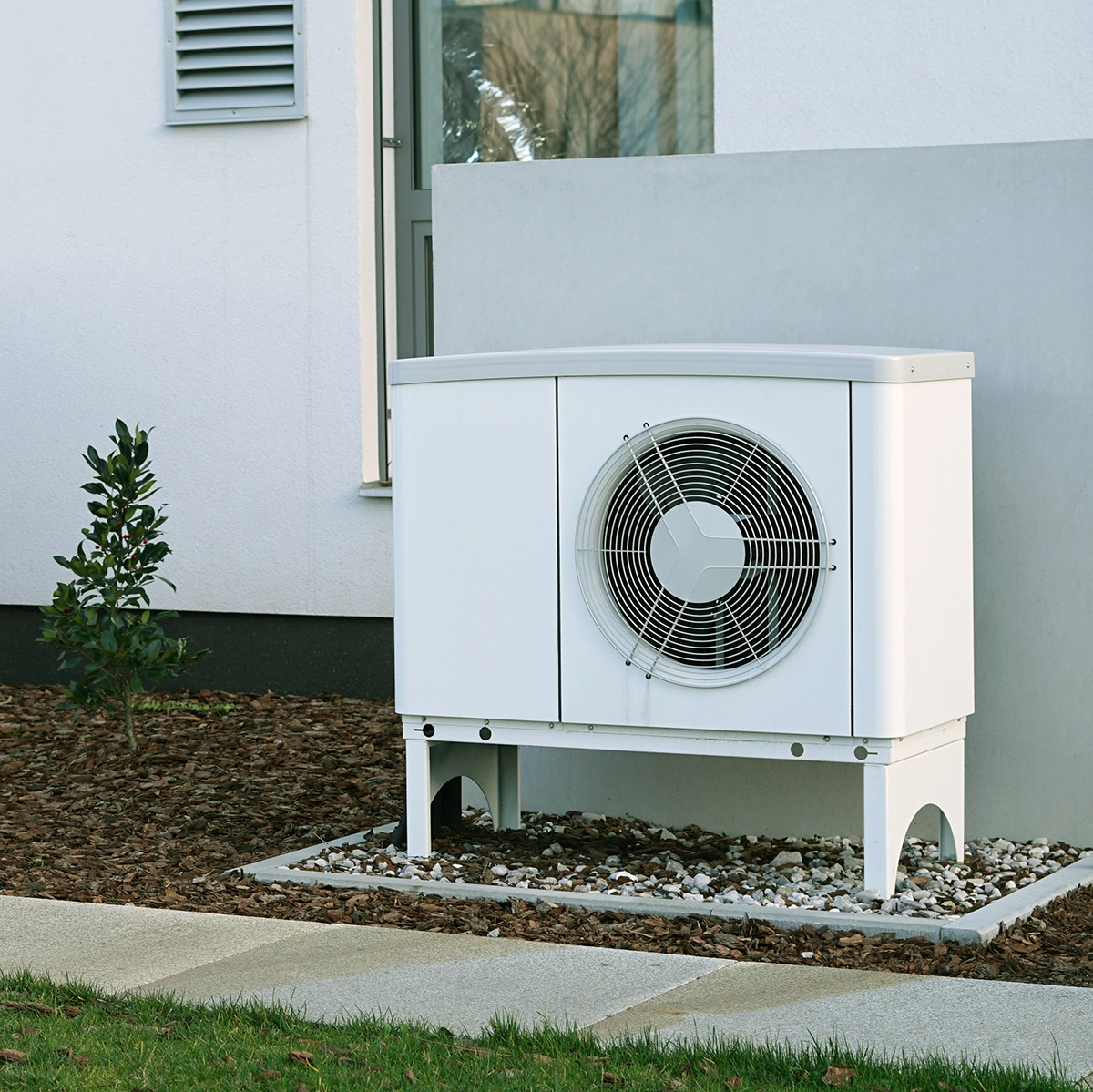
When your heat pump outdoor unit frozen solid in Andover catches you off guard during the coldest stretch of winter, the most common culprit is a problem with the defrost cycle. Your unit should automatically melt away frost every hour or so. When that cycle fails, ice builds up fast. Before you call, take a quick look at your air filter and thermostat settings. A clogged filter or incorrect mode can both trigger freeze-ups. That said, many frozen heat pump issues trace back to refrigerant leaks, faulty sensors, or a stuck reversing valve—problems that require a trained technician to diagnose safely. We’ve seen plenty of Andover homeowners discover their outdoor unit encased in ice on a frigid morning. While it’s alarming, the good news is that most causes are fixable once we identify what’s preventing the defrost system from doing its job.
Why Your Heat Pump Outdoor Unit Is Frozen Solid
When you notice your outdoor heat pump coils encased in ice, it’s natural to worry. Yet some frost is actually normal during cold weather operation. Heat pumps extract warmth from outdoor air even in winter, and that process can cause condensation on the coils that freezes. According to Lennox, heat pumps include automatic defrost cycles that activate every 30 to 90 minutes in cold conditions to melt ice buildup. These cycles temporarily reverse the refrigeration process, warming the outdoor coil just enough to shed the ice. If your unit shows a light glaze of frost that disappears within an hour or two, the system is likely working as designed.
For authoritative guidance, consult What to Do If Your Heat Pump Is Frozen? | Lennox.
The problem arises when ice buildup becomes excessive. Thick ice can cover the entire coil, block airflow, or persist for hours without melting. This usually points to a defrost-system malfunction. Common culprits include a failed defrost control board, a faulty reversing valve (the component that switches the heat pump between heating and cooling modes), or low refrigerant charge. Restricted airflow from a clogged air filter inside your home or debris around the outdoor unit can also prevent proper defrost cycles. When the defrost mechanism fails, ice keeps accumulating. It chokes off airflow and forces your system to work harder—or shut down entirely.
We help Andover homeowners diagnose frozen heat pump issues quickly. Our licensed technicians inspect the defrost controls, refrigerant levels, and airflow paths to restore safe, efficient heating. If your outdoor unit is frozen solid or ice isn’t clearing on its own, professional assessment is critical to prevent further damage.
Normal Ice vs. a Heat Pump Frozen Solid in Andover
If you see a light layer of frost on your outdoor unit during winter operation, that’s usually normal. Heat pumps in heating mode naturally build up frost as they extract warmth from cold outdoor air. Your system should automatically run a defrost cycle every 30 to 90 minutes, briefly reversing to melt any buildup. You might notice a brief puff of steam or hear the reversing valve click as this happens.
However, when your heat pump outdoor unit is frozen solid in Andover—encased in thick ice covering the coils, fan blades, or cabinet—you’re looking at a serious problem that won’t resolve on its own. Warning signs include ice that doesn’t melt after a defrost cycle, ice building up on the ground around the unit, the system running nonstop without heating your home, or odd grinding sounds as the fan struggles against ice. According to industry data, frozen heat pump units can severely damage the compressor if left unchecked, leading to costly repairs.
When we respond to a freeze-up call, we inspect the defrost control board, refrigerant charge, airflow across the indoor coil, and drainage pathways to find out why the system can’t shed ice normally. If you need expert HVAC repairs in Andover, reach out right away if ice persists. We can diagnose the root cause and restore safe operation before permanent damage occurs.
What to Check Before You Call
Before we arrive, a few quick visual checks can help us diagnose the issue faster and make sure your system doesn’t suffer more damage. First, walk outside and look at your outdoor unit. Is it completely encased in ice, or is frost just building up on the coils? Note what you see so you can describe it when you call. Next, look for any leaves, snow, or debris that might be blocking airflow around the unit. Restricted airflow is one of the most common reasons heat pumps freeze over in Andover winters. Noting visible obstructions helps us arrive prepared.
Inside, check your air filter. A clogged filter starves the system of air, causing the coil temperature to drop and ice to form. If it’s visibly dirty, note that for us. Also, take a look at your thermostat settings. If the system is set to cooling mode or the fan is on continuous, that can contribute to freeze-ups. According to SuperTech HVAC, common excessive freezing causes include low refrigerant, faulty defrost sensors, and blocked outdoor units. These issues require professional tools and training, but the information you gather helps us arrive prepared with the right parts and plan.
Call Premier Comfort Solutions for Heat Pump Repair
When you discover your heat pump outdoor unit frozen solid in Andover, the safest and smartest next step is reaching out to us. Our team at Premier Comfort Solutions brings the training, diagnostic tools, and experience to identify whether you’re dealing with a refrigerant leak, defrost control failure, airflow restriction, or another root cause. We fix it correctly the first time. We stand behind every repair with a workmanship warranty, so you can have confidence the job is done right.
Delaying the call often turns a manageable issue into a much larger problem. A frozen coil that keeps running can strain the compressor, damage reversing valve components, or create ice buildup that cracks refrigerant lines. These repairs become far more involved when caught late. The longer ice sits on the coil, the harder your system works and the more wear builds up on critical parts.
We make scheduling simple. Give us a call, and we’ll arrange a time that works for your schedule. Our licensed, insured technicians will arrive ready to diagnose the freeze, explain what’s happening in plain language, and walk you through your repair options. We also offer financing and payment plans to help homeowners manage unexpected repairs without stress. Don’t let a frozen unit sit and worsen. Instead, contact Premier Comfort Solutions today, and we’ll restore reliable, efficient heating to your Andover home with our comprehensive heating repair services.
Frequently Asked Questions
Can I use a hose to melt ice off my heat pump outdoor unit frozen solid in Andover?
No, never spray water on a frozen heat pump. It can damage electrical components, crack refrigerant lines, or refreeze instantly in cold weather. Instead, leave the unit as-is and call us for defrost diagnosis. We’ll safely identify why your defrost cycle failed and restore heating without risking further harm to your equipment.
How long does it take for a frozen heat pump to thaw naturally?
A frozen heat pump can take several hours to thaw naturally, but waiting risks hidden damage and leaves your home cold. Natural thawing doesn’t fix the underlying defrost failure, so the unit will freeze again. We can diagnose and repair the root cause quickly, restoring safe operation the same visit.
Why is my heat pump outdoor unit frozen solid in Andover but still running?
Your heat pump keeps running because the thermostat calls for heat, even though ice prevents effective heating. This typically means the defrost cycle failed due to a faulty control board, low refrigerant, or airflow restriction. Contact us right away, since continued operation can damage the compressor permanently.
Will my heat pump automatically fix itself after it freezes over?
No, a heat pump frozen solid won’t self-correct. The ice indicates a defrost failure requiring professional repair. While light frost may clear normally, thick ice means something broke. We’ll inspect defrost controls, refrigerant charge, and airflow to restore proper operation and prevent recurring freezes this winter.