

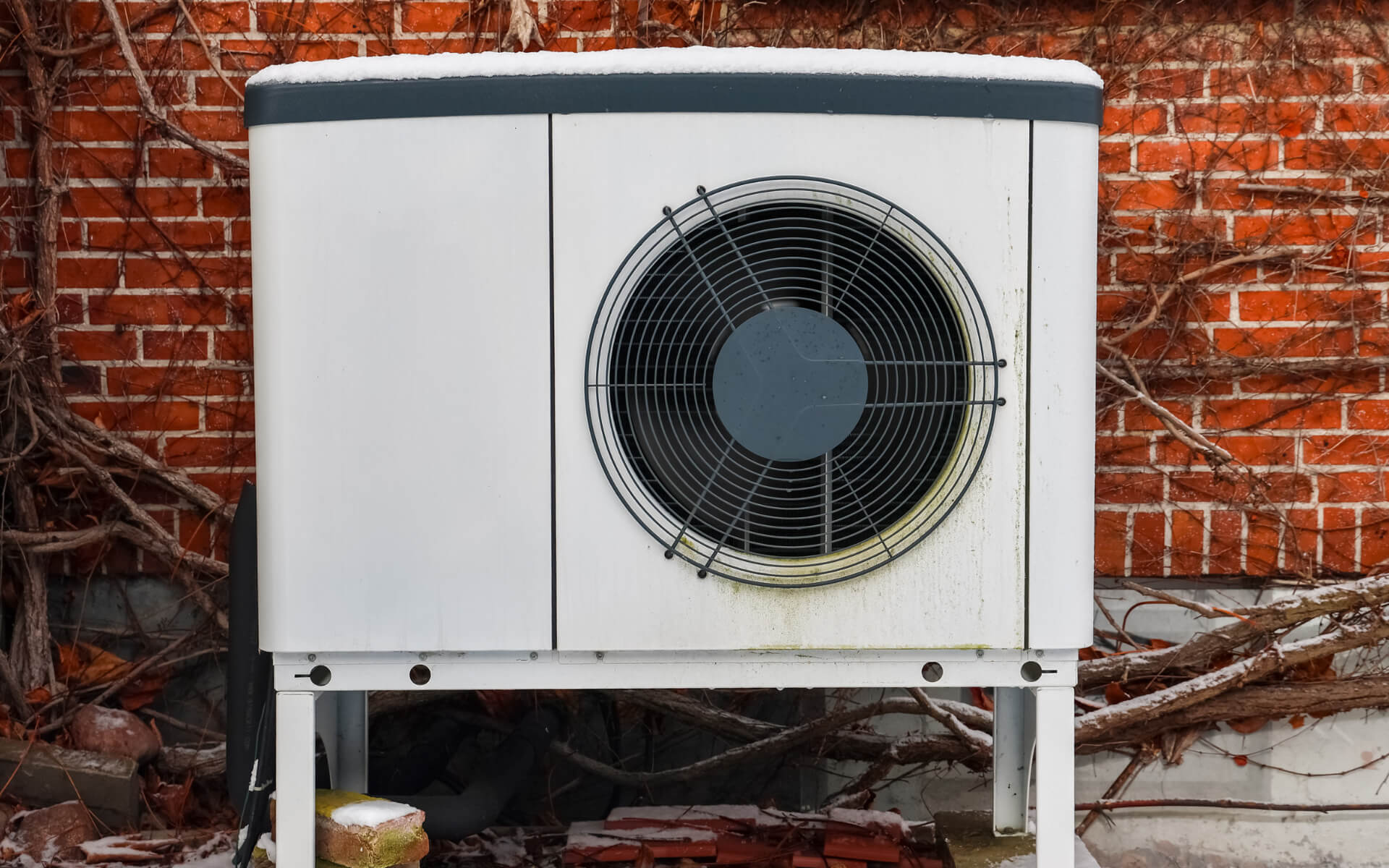
How Do I Know If My Heating Is Working?
If you’re asking this question, something probably feels off. Maybe the house isn’t warming up the way it did last winter, or you haven’t thought about your furnace since spring and now it’s 20 degrees outside. That’s okay. We’re your neighbors here in Haysville, KS, and when homeowners call us for heating repair on the first cold morning, the call almost always starts the same way: “The house just doesn’t feel right, but I can’t tell if something’s actually wrong.”
Most people haven’t run their furnace in months, so they notice small things. Here’s how to tell whether your heating is working, what you can safely check yourself, and when it’s time to call a professional.
Signs Your Heating Is Working Properly
A healthy heating system is mostly unremarkable. You shouldn’t have to think about it. Here is what normal looks like:
- Warm air coming from every vent within a few minutes of the system turning on
- A house that reaches the temperature you set in a reasonable amount of time
- Steady, quiet operation with no new rattles, hums, or clicks
- Even temperatures from room to room
If that describes your home, you’re in good shape.
Warning Signs Your Heating Isn’t Working Right
Heating problems rarely come out of nowhere. Your system usually gives you hints first, but most of us shrug them off. Pay attention if you notice any of these:
- Air from the vents that feels barely warm
- A system that runs and runs but never seems to catch up
- One room that stays chilly while the rest of the house is comfortable
- A thermostat that says 70 while the house feels much colder
- A musty, dusty, or burning smell
- A new rattle or hum that wasn’t there last winter
- Heat that turns on and off at odd times, or never kicks on at all
Any one of these is your furnace telling you something. When it’s 20 degrees outside, you don’t want to guess whether it’s a quick fix or a breakdown.
Two Quick Checks You Can Do Right Now
When someone calls us, these are the first two things we walk them through. Together, they take about five minutes.
Check the Thermostat
Make sure it’s set to “Heat” and set a few degrees above the current room temperature. If the screen looks dim or blank, replace the batteries. It sounds simple, but a thermostat issue is one of the most common reasons people think their furnace has failed.
Check the Air Filter
A clogged air filter is one of the most common reasons a furnace blows weak or lukewarm air, and it’s an easy fix. Pull it out and hold it up to the light. If you can’t see through it, replace it.
If both look fine and the house still isn’t warming up, don’t wait it out. Call for heating repair before the temperature really drops. A quick visit now is much easier than an emergency call at midnight.
The Most Common Heating Problems We See in Kansas Homes
When we walk into a home on a cold morning, the same three things come up again and again. The good news is that most of them gave a warning first.
A Dirty, Clogged Air Filter
This is the most common problem. The signs are weak airflow, rooms that never quite warm up, dust building up around the vents, and a furnace that runs longer than it used to.
A Failed Igniter or Flame Sensor
This one usually shows up as a furnace that clicks on, tries to start, and then shuts off. It may take a few tries before the heat comes on. That’s often the clue homeowners shrug off for weeks, but it’s a sign a part is wearing out and needs attention.
A Thermostat Problem
Dead batteries, a wrong setting, or a unit that has drifted out of calibration can all cause trouble. You’ll notice a house that feels colder than the number on the screen, or heat that turns on and off at odd times.
None of these problems usually strikes out of nowhere. If something feels off, like an odd smell, a new noise, or a slower warm-up, a quick tune-up in the fall can often catch it before the first freeze.
Heating Warning Signs You Should Never Ignore
A furnace that isn’t heating is frustrating. But a few signs mean the problem is about safety, not comfort, and you should never brush them off.
- A gas smell, often described as rotten eggs
- A burner flame that is yellow or orange and flickering instead of steady blue
- Soot or scorch marks around the furnace
- A pilot light that keeps going out
- Headaches, nausea, dizziness, or flu-like symptoms that ease when you leave the house, which can point to carbon monoxide
What To Do Right Away
If you smell gas or think carbon monoxide may be leaking, don’t stop to figure it out. Get everyone outside right away, pets included, and leave the door open. Don’t flip light switches or use your phone inside. Call your gas utility or 911 from outside.
If you see a yellow flame, a pilot that won’t stay lit, or soot, shut the furnace off and call a professional before running it again.
What Not To Fix Yourself
Please don’t try to repair these problems on your own. Don’t relight a pilot over and over, open up the burner area, tinker with gas lines or valves, or poke at a cracked heat exchanger. A small mistake can turn into a big danger.
Make sure you have working carbon monoxide detectors on every level of your home, with fresh batteries. They’re inexpensive, and they can save your family’s lives. Our rule is simple: if something feels or smells wrong, trust that feeling, get out first, and call us after.
Why Waiting Until It Breaks Is the Biggest Mistake
Our honest opinion is that the biggest mistake homeowners make is treating a furnace like something you only think about when it stops working. Most people wait until the first freezing night, when the system has to work its hardest after sitting idle for months. That’s also when every HVAC company in town is booked solid.
The “if it’s still running, it’s fine” mindset is what turns a small, inexpensive fix into an expensive emergency or a safety problem. A worn igniter, a dirty flame sensor, or a clogged filter is cheap to deal with early. Left alone, any of them can leave you in a cold house.
The Thermostat Myth
A close second is the habit of cranking the thermostat to 80 to heat the house faster. It doesn’t work that way. Your furnace heats at the same speed no matter what number you pick, so you just overshoot the temperature and waste energy. Set it where you want to be comfortable, and let the system do its job.
What Actually Works
- A yearly furnace check-up in the fall
- A fresh air filter every month or two
- Calling early, even if it turns out to be nothing
All of that costs far less than a midnight breakdown in January. You also get the peace of mind of knowing your family is warm and safe. That’s why we would always rather have a homeowner call us early “for nothing” than wait until it becomes an emergency.
Reliable Heating Repair in Haysville, KS
If you’re reading this because you’re a little worried about your heat, that’s okay. We know how stressful it is when the house gets cold and you don’t know why.
When you call Premier Comfort Solutions for heating repair in Haysville, KS, you’ll talk to a real person who listens first. We’ll explain what’s going on in plain English, with no jargon or pressure, and we’ll tell you honestly whether it’s a quick fix or something bigger. We treat your home the way we’d want ours treated, with shoe covers on, a tidy workspace, and respect for your time and your budget.
Our promise is simple:
- We’ll show up when we say we will
- We’ll tell you the price before we start
- We’ll never recommend work you don’t need
If something just feels off with your heating, give us a call. We would much rather check it out early than have you sitting in a cold house at midnight. Contact Premier Comfort Solutions today to schedule your fall heating check-up or heating repair in Haysville, KS, and the surrounding Kansas area.