

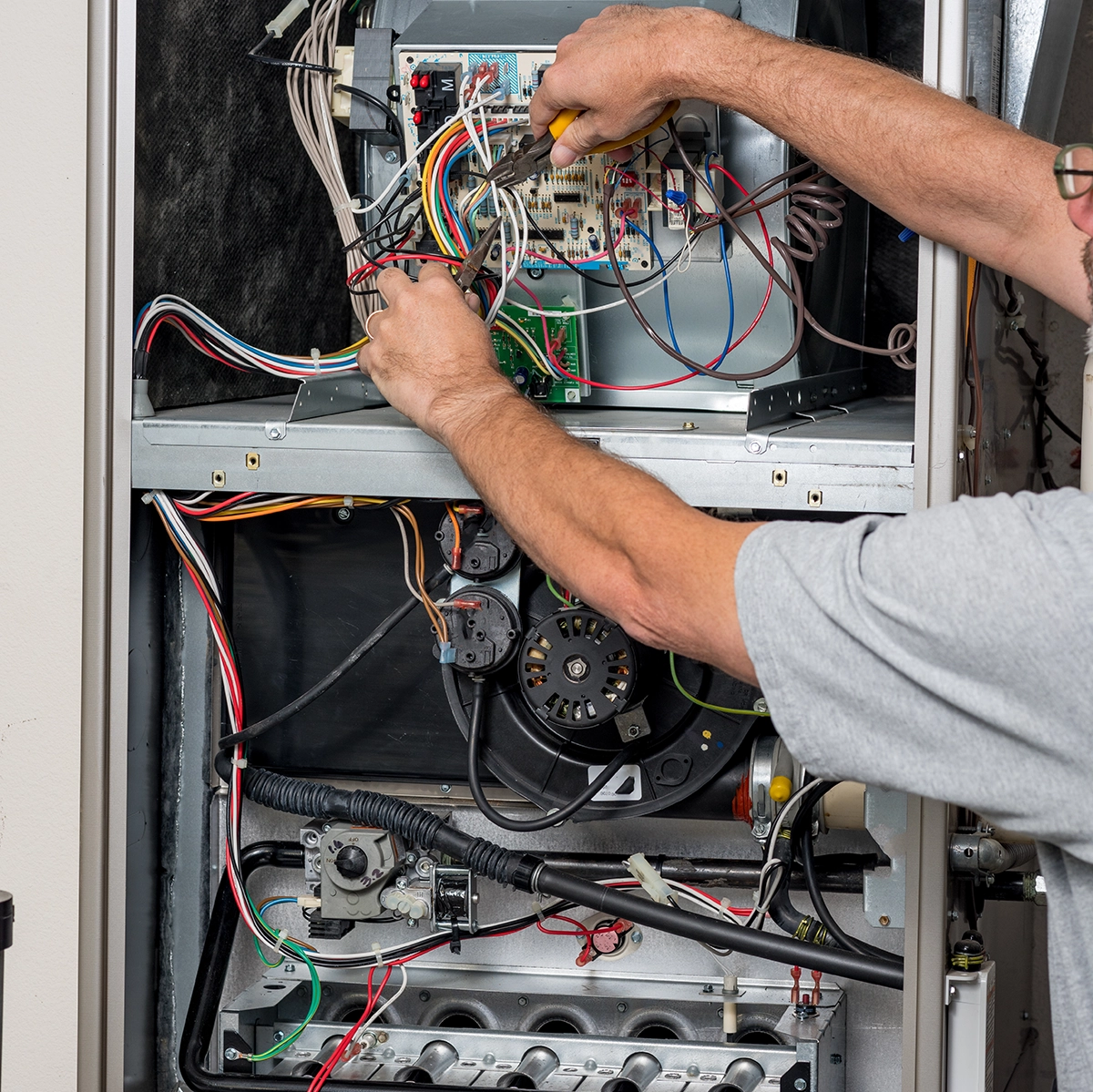
Your air conditioning system depends on several critical components to keep your home cool and comfortable. The AC fan motor is one of the most important. When this motor fails or starts malfunctioning, you’ll notice reduced airflow, strange noises, or even a complete system shutdown. Understanding how this essential component works helps you address problems early. Plus, recognizing the warning signs of failure can prevent you from sweating through a hot Kansas summer. At Premier Comfort Solutions, we help Haysville homeowners identify and resolve fan motor issues quickly and effectively.
What Does Your AC Fan Motor Do?
The fan motor in your air conditioning system serves a vital function in the cooling process. This hardworking component powers the fan blades that circulate air throughout your home. In fact, your AC system typically has two fan motors. One sits in the outdoor condenser unit. The other operates in the indoor air handler or furnace.
The outdoor fan motor pulls air across the condenser coils to release heat outside. Meanwhile, the indoor blower motor pushes cooled air through your ductwork and into your living spaces. Without a properly functioning motor, air simply won’t move through your system efficiently. That’s why even a minor motor problem can significantly impact your home’s comfort level.
These motors run for hours each day during cooling season. As a result, they’re subject to considerable wear and tear over time. Understanding their role helps you appreciate why maintaining them matters so much. Plus, proper maintenance directly affects your overall system performance.
Common Signs Your AC Fan Motor Is Failing
Recognizing the warning signs of a failing motor early can save you from more expensive repairs down the road. Here are the most common symptoms homeowners notice when their fan motor starts to go bad.
Unusual Noises From Your AC Unit
Strange sounds coming from your air conditioner often indicate motor trouble. You might hear grinding, squealing, or screeching noises. These sounds suggest worn bearings inside the motor. These bearings allow the motor shaft to spin smoothly. However, they deteriorate over time.
A humming sound without the fan actually running can mean the motor receives power but struggles to start. Additionally, rattling or clanking noises might indicate loose components. Sometimes debris affects the fan blades connected to the motor.
Weak or No Airflow
When you notice reduced airflow from your vents, the blower motor might be struggling. A motor that’s failing may run at lower speeds than normal. This results in weak air circulation throughout your home. In some cases, the motor may fail completely. You’ll have no airflow at all even though your thermostat calls for cooling. This complete failure requires immediate professional attention to restore comfort to your home.
AC System Won’t Turn On
A completely failed fan motor can prevent your entire air conditioning system from operating. The system relies on both the condenser fan and blower motor to function properly. Because of this, failure of either one disrupts the cooling cycle. Your outdoor unit might run while your indoor unit doesn’t. Or vice versa, depending on which motor has failed.
If you’re experiencing issues with your AC not turning on, a faulty fan motor could be the culprit. You won’t get the cooling you need until a certified technician addresses the problem.
Higher Energy Bills
A struggling motor works harder to perform its job. As a result, it draws more electricity. If you’ve noticed your energy bills climbing without a corresponding increase in usage, a failing AC fan motor could be the culprit. The motor may run continuously or cycle on and off more frequently than normal. This happens as it struggles to maintain proper operation. This inefficiency costs you money every month until you resolve the underlying issue.
What Causes AC Fan Motor Failure?
Understanding why motors fail helps you appreciate the importance of regular maintenance. Several factors contribute to motor breakdown over time.
Normal Wear and Tear
Like any mechanical component, fan motors have a finite lifespan. The constant operation during cooling season puts stress on the motor’s internal components. Bearings wear down, windings can deteriorate, and electrical connections may weaken. Most motors last between 10 and 15 years with proper maintenance. However, intense use or harsh conditions can shorten that lifespan considerably. Regular annual maintenance helps maximize the motor’s service life.
Lack of Lubrication
Some fan motors require periodic lubrication to keep their bearings operating smoothly. When these motors don’t receive proper lubrication, friction increases. Plus, components wear out faster. During routine maintenance visits, our technicians check motors that need lubrication. Then they apply the appropriate lubricant to ensure smooth operation. This professional service can prevent premature failure and extend the motor’s useful life.
Electrical Problems
Electrical issues like voltage fluctuations, power surges, or faulty capacitors can damage fan motors. The capacitor provides the electrical boost needed to start the motor. It also keeps the motor running efficiently. When a capacitor fails, the motor must work harder to start and operate. This leads to overheating and eventual breakdown. Loose or corroded electrical connections can also cause motors to fail prematurely. They create resistance and heat buildup.
Dirt and Debris Accumulation
Outdoor condenser fan motors are especially vulnerable to dirt, leaves, and debris buildup. When debris blocks airflow around the motor, the motor must work harder to spin. Similarly, interference with the fan blades creates extra strain. This additional effort generates heat and accelerates wear on internal components. Professional cleaning of your outdoor unit helps prevent this type of damage. Plus, it keeps your motor running efficiently.
How Professionals Diagnose and Repair Motor Problems
When you contact Premier Comfort Solutions for a motor issue, our certified technicians follow a systematic diagnostic process. We start by listening to your description of the problem. Then we observe the system’s operation. Using specialized testing equipment, we check the motor’s electrical connections. We also measure voltage and amperage and test the capacitor’s function. These tests help pinpoint the exact cause of the failure.
Once our team identifies the problem, our technician will explain your options. Sometimes, a motor can be repaired by replacing worn bearings. Other times, fixing electrical connections solves the issue. However, in many cases, complete motor replacement is the most cost-effective solution. It’s also the most reliable approach.
We consider factors like the motor’s age and the extent of damage when making our recommendation. Plus, we compare the cost of repair versus replacement. Our certified technicians carry common motor sizes and types on their service vehicles. This often allows us to complete replacements during the same visit. For less common motors, we’ll order the correct replacement. Then we return to install it promptly. We always use high-quality replacement motors that meet or exceed the original equipment specifications. This ensures reliable performance for years to come.
The Importance of Professional AC Fan Motor Service
Working with fan motors involves electrical components, refrigerant lines, and precise calibration. These require professional expertise. Attempting to diagnose or replace a motor yourself can result in electrical shock. You might also damage other system components or void your equipment warranty. Professional HVAC technicians have the training, tools, and experience to safely handle motor repairs and replacements.
When you hire a licensed professional, repairs are backed by solid warranties on both parts and labor. When a motor gets replaced by a qualified technician, you can trust that it’s been installed correctly. It will also provide reliable service. Professionals also check other system components during the service visit. This ensures everything works together efficiently. This comprehensive approach helps prevent future breakdowns and keeps your system running smoothly.
Preventing Future Fan Motor Problems
While you can’t prevent all motor failures, regular maintenance significantly reduces the risk of unexpected breakdowns. Scheduling annual AC tune-ups before each cooling season allows technicians to inspect your motors. They also clean components, lubricate where needed, and identify potential problems. This happens before they cause system failure.
Between professional maintenance visits, you can help protect your motors in simple ways. Keep the area around your outdoor unit clear of debris. Also, change your indoor air filter regularly. A clogged filter forces your blower motor to work harder. This can shorten its lifespan. These simple steps complement professional air conditioner maintenance. They help ensure your air conditioning system operates reliably when you need it most.
When to Call a Licensed HVAC Professional
Don’t wait until a hot day to discover your AC fan motor has failed. If you notice any of the warning signs discussed—unusual noises, weak airflow, frequent cycling, or rising energy bills—contact a licensed professional right away. Early intervention often prevents more extensive damage. Plus, it helps avoid more expensive repairs.
AC problems never happen at convenient times. That’s why it’s important to have a trusted HVAC professional available when you need them most. Whether you’re dealing with a complete system failure or want to schedule preventive maintenance, our qualified technicians can diagnose the problem accurately. We’ll explain your options clearly and complete the work to your complete satisfaction.
Frequently Asked Questions
How long does an AC fan motor typically last?
Most AC fan motors last between 10 and 15 years with proper maintenance. However, the lifespan can vary based on usage patterns and maintenance quality. Environmental factors also play a role. Regular annual tune-ups help maximize motor life. They keep components clean, lubricated, and operating efficiently throughout the cooling season.
How much does it cost to replace an AC fan motor?
The cost to replace a fan motor varies depending on several factors. These include the motor type, system accessibility, and location. Indoor blower motors typically cost more to replace than outdoor fan motors. Contact a licensed HVAC professional for an accurate estimate. They’ll base it on your specific system and situation.
Can I run my AC if the fan motor is making noise?
You should turn off your AC immediately if the fan motor makes grinding, squealing, or other unusual noises. Continuing to run the system can cause additional damage to the motor. It can also harm other components, resulting in more expensive repairs. Call a licensed professional technician right away. They’ll diagnose and address the problem safely.
What’s the difference between a blower motor and a condenser fan motor?
The blower motor is located in your indoor air handler or furnace. It circulates conditioned air through your ductwork and into your home. The condenser fan motor is in your outdoor unit. It pulls air across the condenser coils to release heat outside. Both motors are essential for proper AC operation. Both should be serviced by a licensed HVAC professional.