

If you’ve noticed your AC freezing up on a hot summer day, you’re not alone. This frustrating problem leaves many homeowners in Haysville scrambling for answers when they need cool air the most. A frozen air conditioner isn’t just inconvenient. In fact, it can signal underlying issues that may lead to costly repairs or even system failure if left unaddressed. Understanding why this happens and what signs to watch for can help you catch problems early. Plus, it keeps your home comfortable all season long.
Why Is Your AC Freezing Up?
When your air conditioning system freezes, ice forms on the evaporator coil. This component absorbs heat from your indoor air. The ice buildup prevents your system from cooling properly. Also, it can cause water damage as it melts. Several factors can trigger this problem. Identifying the root cause is key for a proper fix.
The evaporator coil needs steady airflow and proper refrigerant levels to work correctly. When either condition isn’t met, the coil’s temperature drops below freezing. As a result, moisture in the air freezes on contact. That’s why even on the hottest days, you might find a block of ice where you expect cold air to flow freely. Understanding the reasons behind your AC freezing up helps you take the right steps toward a solution.
Restricted Airflow: The Most Common Culprit
Poor airflow is the leading reason we see air conditioners freezing up in Haysville homes. When air can’t move properly across the evaporator coil, the refrigerant inside becomes too cold. Then it freezes the moisture around it. This restriction can stem from several sources that homeowners often overlook.
Dirty air filters are the biggest problem. When a filter becomes clogged, it blocks air from reaching the coil. This creates perfect conditions for freezing. Beyond filters, blocked return vents can restrict airflow. Closed registers throughout your home also cause issues. Even furniture placed too close to vents can limit the airflow your system needs. Our certified HVAC technicians can inspect your entire airflow system. They identify which factors contribute to the problem.
Dirty evaporator coils themselves can also block airflow. Over time, dust and debris build up on these coils. This forms a layer that prevents proper heat exchange. Once this happens, the coil can’t absorb heat well. Temperatures drop low enough to cause freezing.
Low Refrigerant Levels and Leaks
Refrigerant is the lifeblood of your cooling system. When levels drop below what the manufacturer specified, your AC can freeze. Unlike fuel that gets consumed, refrigerant moves in a closed loop. It shouldn’t decrease over time. Therefore, low refrigerant almost always means you have a leak somewhere in the system.
When refrigerant leaks out, the pressure inside the evaporator coil drops. This pressure change causes the remaining refrigerant to become very cold. It gets cold enough to freeze moisture on the coil’s surface. You might hear hissing sounds near the indoor or outdoor unit. Also, you could notice your system running constantly without cooling properly. Some homeowners see ice forming on the refrigerant lines.
Refrigerant leaks require professional attention. Our licensed HVAC technicians will locate the leak, repair it, and recharge your system to the correct level. Simply adding more refrigerant without fixing the leak is a temporary solution. It wastes money and harms the environment.
Warning Signs Your AC Is Freezing Up
Catching a freezing air conditioner early can prevent more serious damage. Since ice doesn’t always form in visible locations, knowing the warning signs helps you spot problems before they get worse. Recognizing these symptoms quickly means you can address your AC freezing up before the situation escalates into major repairs.
The most obvious sign is visible ice or frost on the refrigerant lines. These run to your outdoor unit or on the evaporator coil itself. However, the evaporator coil sits inside your air handler. You might not see it without opening the unit. Instead, watch for these clear symptoms that show freezing is happening.
Reduced airflow from your vents is often the first clue. When ice blocks the coil, air struggles to pass through. You’ll notice weaker output even though the system is running. Your home won’t cool down despite the thermostat calling for cold air. Rooms may feel stuffy or warm.
Water pooling around your indoor unit is another red flag. As the ice melts during off cycles or after you turn the system off, it creates more water than the drain pan can handle. This overflow can damage flooring, ceilings below the unit, and walls if not addressed quickly.
Higher energy bills without increased usage suggest your system is working harder than normal. A frozen AC runs constantly trying to reach the temperature you’ve set. Meanwhile, it consumes more electricity in the process. Also, unusual sounds like hissing, bubbling, or gurgling can indicate refrigerant issues that lead to freezing.
What Happens When You Ignore a Frozen AC
Continuing to run your air conditioner when it’s freezing up can cause serious damage. The ice itself blocks airflow. This forces your compressor to work harder and longer to cool your home. The extra strain shortens the compressor’s lifespan. It can lead to complete system failure, which often costs thousands of dollars to repair.
Water damage is another concern. As ice builds up and melts repeatedly, water can overflow the drain pan. Then it seeps into your home’s structure. We’ve seen ceiling damage, wall staining, and even mold growth from ignored frozen AC units. These secondary problems add to your repair costs. They also create health concerns for your family.
Plus, a frozen system simply doesn’t cool your home. You’re paying for electricity to run a system that’s not doing its job. All the while, your family suffers in the heat. The longer you wait to address the problem, the more uncomfortable your home becomes. Energy bills also climb higher.
How Professionals Fix an AC Freezing Up
When you contact us about a frozen air conditioner, we follow a clear approach to diagnose and resolve the issue. First, we’ll turn off your system to let the ice melt completely. Running it while frozen only causes more damage. This thawing process can take several hours, so patience is important.
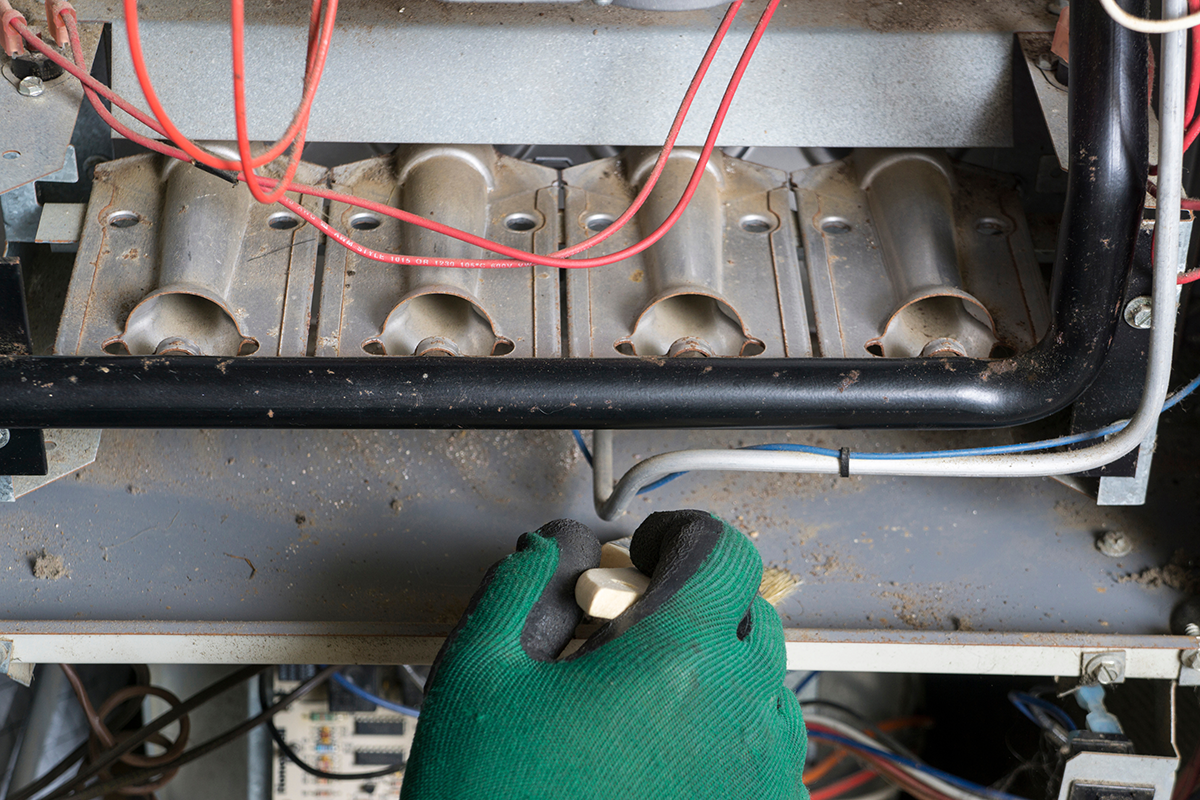
Once thawed, we inspect your air filter and replace it if needed. We check all vents and registers to make sure nothing blocks airflow throughout your home. Then we examine the evaporator coil for dirt buildup. We clean it thoroughly if needed using special equipment and solutions that won’t damage the delicate fins.
We also test refrigerant levels and pressures to see if a leak exists. If we find low refrigerant, we use electronic leak detectors and UV dye to locate the source. Then we repair the leak and recharge the system to factory settings. For more complex issues, we might need to check the blower motor. We also inspect ductwork for restrictions or check your thermostat’s operation.
The goal is not just to fix the immediate problem. We also identify why your AC froze in the first place. That way, we can prevent it from happening again and extend your system’s life. Our technicians have the expertise to resolve every case of an AC freezing up that we encounter.
Preventing Your Air Conditioner From Freezing
While some causes of a frozen AC require professional help, several steps can greatly reduce your risk. Regular maintenance is your best defense against this and many other HVAC problems.
Replace your air filter every one to three months, depending on your household conditions. This helps prevent airflow issues. Homes with pets, allergies, or high dust levels need more frequent changes. We can recommend the right filter replacement schedule for your specific situation.
Keep all vents and registers open and clear. Even closing vents in unused rooms can disrupt airflow balance. This contributes to freezing. Make sure furniture, curtains, and other items don’t block the air path.
Schedule annual professional maintenance before cooling season begins. During these visits, our licensed technicians clean coils and check refrigerant levels. They also inspect electrical connections and test all components. This approach catches small issues before they become expensive repairs. It keeps your system running well too.
Also, don’t set your thermostat very low. Running your air conditioning at temperatures below 65 degrees can cause the evaporator coil to freeze. This happens even when everything else works properly. Keep your thermostat at a reasonable setting, typically between 72 and 78 degrees, for best performance and efficiency.
When to Call a Professional
If you notice any signs of your AC freezing up, don’t wait to reach out to us. Diagnosing and repairing the root cause requires professional expertise and special tools.
Our experienced technicians have seen every scenario that causes air conditioners to freeze. These range from simple airflow issues to complex refrigerant leaks. We arrive prepared with diagnostic equipment and the parts needed to get your system back up and running quickly. More importantly, we take time to explain what happened, why it happened, and how to prevent it from happening again.
A broken AC in Haysville’s summer heat isn’t just inconvenient. It’s an emergency. That’s why we focus on cooling problems and address them efficiently to restore your comfort. Whether you’re dealing with visible ice, weak airflow, or just suspect something isn’t right, we’re here to help.
Don’t let a frozen air conditioner damage your system or leave your family uncomfortable. Contact us at the first sign of trouble. Let us diagnose the problem and provide a lasting solution. Your comfort is important, and keeping your home cool all summer long is our priority.
Frequently Asked Questions
How long does it take for a frozen AC to thaw out?
A frozen air conditioner typically takes 24 hours to thaw completely. Your HVAC technician will turn off your system and allow the ice to melt naturally. They may run the fan only without cooling to speed the process slightly. However, the safest approach is letting it thaw with the system completely off. Meanwhile, they ensure water drains properly to avoid overflow damage.
Can I run my AC if it’s frozen?
No, never run your AC while frozen. Continuing operation damages the compressor and other components. This potentially causes complete system failure. Turn the system off immediately when you notice ice. Let it thaw completely, and contact us to diagnose the underlying problem before running it again.
Why does my AC freeze at night but not during the day?
Your AC may freeze at night because cooler outdoor temperatures affect system pressure. It might also be because nighttime operation exposes existing airflow restrictions. Dirty filters, low refrigerant, or a failing blower motor show symptoms more clearly during extended nighttime runs. This especially happens when temperatures drop below 60 degrees outside. Our certified technicians can diagnose why your system behaves differently at night.
Will a frozen AC unfreeze on its own?
Yes, a frozen AC will unfreeze once you turn it off and the ice melts. However, the underlying problem remains. Simply thawing and restarting your system doesn’t fix what caused the freezing. Without professional diagnosis and repair, the problem will return. It could potentially cause permanent damage to your compressor or other components.