

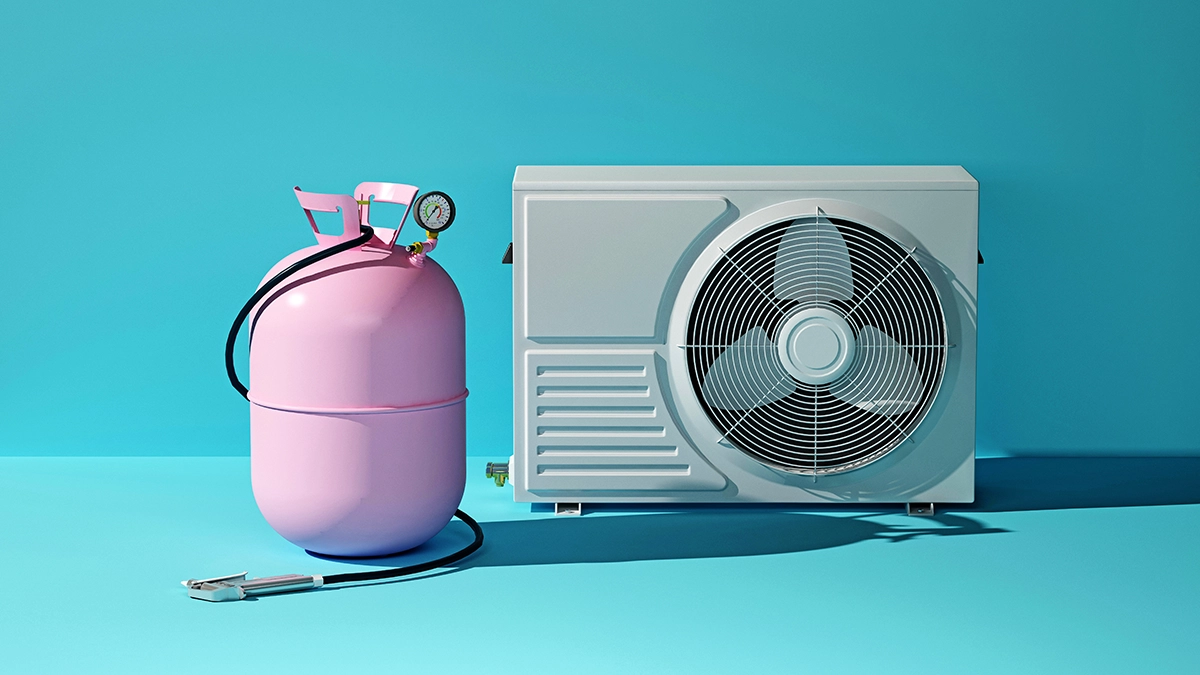
If your air conditioner isn’t cooling like it used to, you might be dealing with a refrigerant leak. You may also notice ice buildup on the unit. Detecting refrigerant leaks early can save you from costly repairs. Plus, it keeps your home comfortable all summer long. At Premier Comfort Solutions, we help Haysville homeowners identify these issues before they turn into major problems. Because refrigerant is essential for your AC to function properly, even a small leak can significantly impact performance. Moreover, it affects your energy bills too.
Why Detecting Refrigerant Leaks Matters for Your Home
Refrigerant is the lifeblood of your air conditioning system. It absorbs heat from inside your home and releases it outside. This process creates that cool, comfortable environment you depend on during hot Kansas summers. When a leak develops, your system loses the refrigerant it needs to operate efficiently. That’s why detecting refrigerant leaks early is so important for maintaining both comfort and efficiency.
Beyond comfort, refrigerant leaks pose environmental concerns. Modern refrigerants are designed to be safer than older types. However, they still need to be handled responsibly. When refrigerant escapes into the atmosphere, it can contribute to environmental damage. Additionally, running your AC with low refrigerant forces the system to work harder. This drives up your energy costs and can lead to compressor failure—one of the most expensive HVAC repairs you’ll face.
Common Warning Signs of a Refrigerant Leak
Your air conditioner often gives you clues when something’s wrong. Of course, recognizing these warning signs helps you know when to call in a professional. We’ve helped countless Haysville homeowners identify problems before they escalate. In fact, detecting refrigerant leaks before they worsen is one of the most common reasons customers contact us for service.
Your Home Takes Longer to Cool Down
When refrigerant levels drop, your AC struggles to absorb and transfer heat effectively. You might notice your system running constantly but never quite reaching the temperature you’ve set. Even though the unit keeps cycling, rooms that used to cool down in minutes now take much longer. This extended runtime not only wastes energy but also puts extra strain on your compressor. Furthermore, it affects other components too.
Ice Buildup on the Refrigerant Lines or Evaporator Coil
It might seem counterintuitive, but ice forming on your AC components often signals low refrigerant. When refrigerant levels drop, the pressure in the system changes. As a result, the remaining refrigerant gets too cold. This creates frost or ice on the copper lines running to your outdoor unit. Ice can also form on the indoor evaporator coil. If you spot ice anywhere on your system, turn it off immediately and contact a licensed professional. Continuing to run it can cause serious damage.
Hissing or Bubbling Sounds Near the AC Unit
Refrigerant escaping through a leak often creates distinctive sounds. A hissing noise typically indicates refrigerant gas escaping through a small hole or crack. Meanwhile, bubbling sounds suggest the leak is in a section where refrigerant is in liquid form. These sounds might be subtle, so you’ll need to listen carefully when standing near your unit. Any unusual noise is worth investigating with a professional.
Unexplained Increases in Your Energy Bills
When your AC can’t cool efficiently due to low refrigerant, it compensates by running longer cycles. This extra runtime shows up directly on your monthly utility bills. If you notice your energy costs climbing without a corresponding increase in usage, a refrigerant leak could be the culprit. We often find that homeowners who address leaks promptly see their bills return to normal. This happens once a licensed professional repairs and recharges the system.
What Causes Refrigerant Leaks in Air Conditioners
Understanding why leaks happen helps you appreciate the importance of professional detection and repair. Refrigerant doesn’t just disappear or get “used up” during normal operation. If levels are low, there’s always a leak somewhere in the system. Detecting refrigerant leaks quickly prevents minor issues from becoming major system failures.
The most common cause we see is simple wear and tear over time. The copper lines carrying refrigerant can develop tiny cracks or holes as they age. This happens especially at joints and connections where vibration creates stress points. Corrosion is another frequent culprit, particularly in areas with high humidity. It also occurs where the coils come into contact with certain materials that speed up metal damage.
Improper installation can also lead to leaks down the road. If connections weren’t properly brazed during installation, they’re more likely to develop problems. Similarly, problems arise if the lines weren’t adequately supported. That’s why working with experienced technicians from the start matters so much. Additionally, physical damage from lawn equipment, animals, or accidental impacts during home maintenance can puncture refrigerant lines.
How We Locate Refrigerant Leaks
While homeowners can spot the warning signs, detecting refrigerant leaks requires specialized equipment and training. Pinpointing their exact location also needs professional tools. Our licensed technicians use several methods to find even the smallest leaks. These might otherwise go undetected for months.
Electronic Leak Detection Technology
Our licensed technicians use highly sensitive electronic detectors that can identify refrigerant molecules in the air. These devices work like specialized sensors, alerting us when we pass over an area where refrigerant is escaping. This technology is especially helpful for finding small leaks. For instance, it works well when leaks don’t produce audible sounds or obvious visual clues.
Ultraviolet Dye Testing
For particularly elusive leaks, we can inject a special UV dye into your refrigerant system. Once the dye circulates through the lines, we use UV lights to inspect the entire system. The dye becomes visible under UV light wherever refrigerant is leaking. This makes even tiny cracks and pinhole leaks easy to spot. This method is extremely accurate and helps us locate multiple leaks if they exist.
Soap Bubble Testing for Visible Connections
Sometimes the old methods work best. For suspected leaks at accessible joints and connections, we apply a special soap solution. If refrigerant is escaping at that point, it creates bubbles in the soap. While this method seems simple, it’s highly effective for checking known trouble spots. It also helps confirm suspicions about specific connection points.
Pressure Testing the System
To verify whether a leak exists, we often perform a pressure test. This also helps assess its severity. This involves pressurizing the refrigerant lines with nitrogen and monitoring whether the pressure drops over time. A dropping pressure reading confirms that refrigerant would be escaping during normal operation. This test helps us determine the urgency of the repair. It also shows whether the system is safe to operate.
Why You Should Always Hire a Licensed Professional for Refrigerant Repairs
We understand the temptation to tackle home repairs on your own. However, refrigerant work isn’t something you can or should DIY. In fact, it’s actually illegal for anyone without EPA certification to purchase or handle refrigerant. Federal regulations exist because refrigerant can be harmful to both people and the environment when mishandled. Detecting refrigerant leaks and performing proper repairs requires both certification and specialized knowledge.
Beyond the legal issues, refrigerant leaks require specialized tools and knowledge to repair properly. Simply adding more refrigerant without fixing the leak only provides a temporary solution. You’ll be facing the same problem again in weeks or months. Plus, incorrect repairs can damage your system, create safety hazards, or void your equipment warranty.
When you call us, our certified technicians don’t just patch the leak and walk away. We identify the root cause and make the proper repair using professional-grade materials. Then, we evacuate and recharge the system to manufacturer specifications. Finally, we verify that everything is working correctly. This comprehensive approach ensures the repair lasts. Moreover, your AC runs efficiently for years to come.
Our Professional Repair Process for Refrigerant Leaks
Once we’ve pinpointed the leak location, we follow a systematic repair approach. First, we recover any remaining refrigerant from the system using specialized recovery equipment. This step is legally required and environmentally responsible. Next, we make the necessary repair. This might involve brazing copper lines, replacing sections of tubing, or installing new components. The approach depends on the leak’s location and severity.
After completing the repair, we don’t just refill the system and hope for the best. Instead, we perform a vacuum test to ensure all moisture and air are removed from the lines. Moisture in an AC system can cause corrosion and ice formation. So this step is crucial for long-term reliability. Once we’ve confirmed the system is properly evacuated, we recharge it. We use the exact type and amount of refrigerant specified by the manufacturer.
Finally, we test the system’s operation and performance to ensure everything is working as it should. We measure temperatures, check pressures, and verify that your AC is cooling efficiently. Before leaving your home, you’ll have peace of mind knowing the repair was done right.
Preventing Future Refrigerant Leaks
While you can’t prevent every possible leak, regular maintenance significantly reduces the risk. During annual tune-ups, our licensed technicians inspect refrigerant lines. They also check connections and look for early signs of corrosion or wear. Catching these issues early often means we can make minor adjustments before they develop into full-blown leaks. Regular maintenance appointments are the best opportunity for detecting refrigerant leaks before they cause system damage.
Keeping vegetation and debris away from your outdoor unit also helps. Branches, thorns, and overgrown shrubs can damage refrigerant lines over time. Similarly, be mindful when doing yard work near your AC unit. A stray weed whacker or lawn mower can easily nick a refrigerant line.
Scheduling professional maintenance at least once a year is the single best thing you can do. This extends your system’s life and catches problems early. Our maintenance visits include comprehensive inspections that identify potential issues. We find them before they leave you without cooling on the hottest day of summer.
How Refrigerant Leaks Impact Your System’s Lifespan
Operating your air conditioner with low refrigerant doesn’t just reduce cooling performance. It can actually shorten your system’s lifespan. When refrigerant levels drop, your compressor has to work much harder. It struggles to circulate what’s left through the system. This extra strain generates excessive heat and stress on the compressor, which is the heart of your AC unit.
Compressor failure is one of the most expensive repairs in HVAC work. It often costs as much as a new system depending on your unit’s age and condition. By addressing refrigerant leaks promptly, you protect this critical component from premature failure. In many cases, the cost of leak detection and repair is a fraction of what you’d spend. This is much less than replacing a failed compressor or entire system.
When to Call Us
Don’t wait until your AC stops working completely to address potential refrigerant issues. If you’ve noticed any of the warning signs we’ve discussed, it’s time to act. These include reduced cooling, ice buildup, unusual sounds, or climbing energy bills. When you see these signs, schedule a service call. The sooner we can diagnose and repair a leak, the less damage it will cause to your system and your wallet.
At Premier Comfort Solutions, we’re committed to providing Haysville homeowners with honest, reliable HVAC service. Our technicians arrive on time, diagnose problems accurately, and explain your options clearly. This way, you can make informed decisions about your home comfort system. We’ve built our reputation on quality work and transparent communication. In fact, we treat every home as if it were our own.
We also understand that AC problems don’t always happen during business hours. That’s why we offer emergency service when you need it most. Whether it’s a weekend, holiday, or the middle of the night, you can count on us. We’ll restore your comfort quickly and professionally.
Frequently Asked Questions
How long does it take to detect and repair a refrigerant leak?
Most leak detection and repair appointments take 2-4 hours. The time depends on the leak’s location and severity. Simple leaks at accessible connections can be fixed quickly. However, hidden leaks in hard-to-reach areas may take longer to locate and repair. Our licensed technicians work efficiently while ensuring quality repairs that last.
Can I just add more refrigerant without fixing the leak?
Adding refrigerant without repairing the leak is illegal and wasteful. The refrigerant will simply escape again. This leaves you with the same problem within weeks or months. Plus, repeatedly “topping off” the system can introduce moisture and contaminants that damage components. Professional leak repair by a licensed technician is always the right solution.
How much does refrigerant leak repair typically cost?
Repair costs vary based on leak location, size, and whether components need replacement. Simple repairs might cost a few hundred dollars. Meanwhile, extensive repairs involving component replacement can run higher. We always provide upfront pricing before beginning work. This way, you know exactly what to expect without surprises.
Will my AC work at all if it has a refrigerant leak?
Your AC may continue running with a leak, but it won’t cool effectively and will waste energy. Small leaks allow reduced operation initially. However, performance degrades as refrigerant levels drop. Eventually, the system will stop cooling altogether. Operating with low refrigerant also risks compressor damage. So have a licensed professional address leaks promptly.