

Are you looking to upgrade your commercial or residential HVAC system with cutting-edge technology? VRF HVAC systems are revolutionizing climate control. They offer exceptional energy efficiency, precise zone control, and flexible installation options. At Premier Comfort Solutions, we help Haysville property owners understand the benefits of variable refrigerant flow technology. We also help determine whether it’s the right solution for their heating and cooling needs. Let’s explore what makes this advanced system stand out from traditional HVAC options.
What Is VRF HVAC Technology?
Variable Refrigerant Flow, or VRF, represents one of the most sophisticated HVAC technologies available today. Unlike conventional systems that simply turn on or off, VRF technology precisely controls the amount of refrigerant flowing to each indoor unit. This control happens based on real-time demand. As a result, the system allows for simultaneous heating and cooling in different zones throughout the same building.
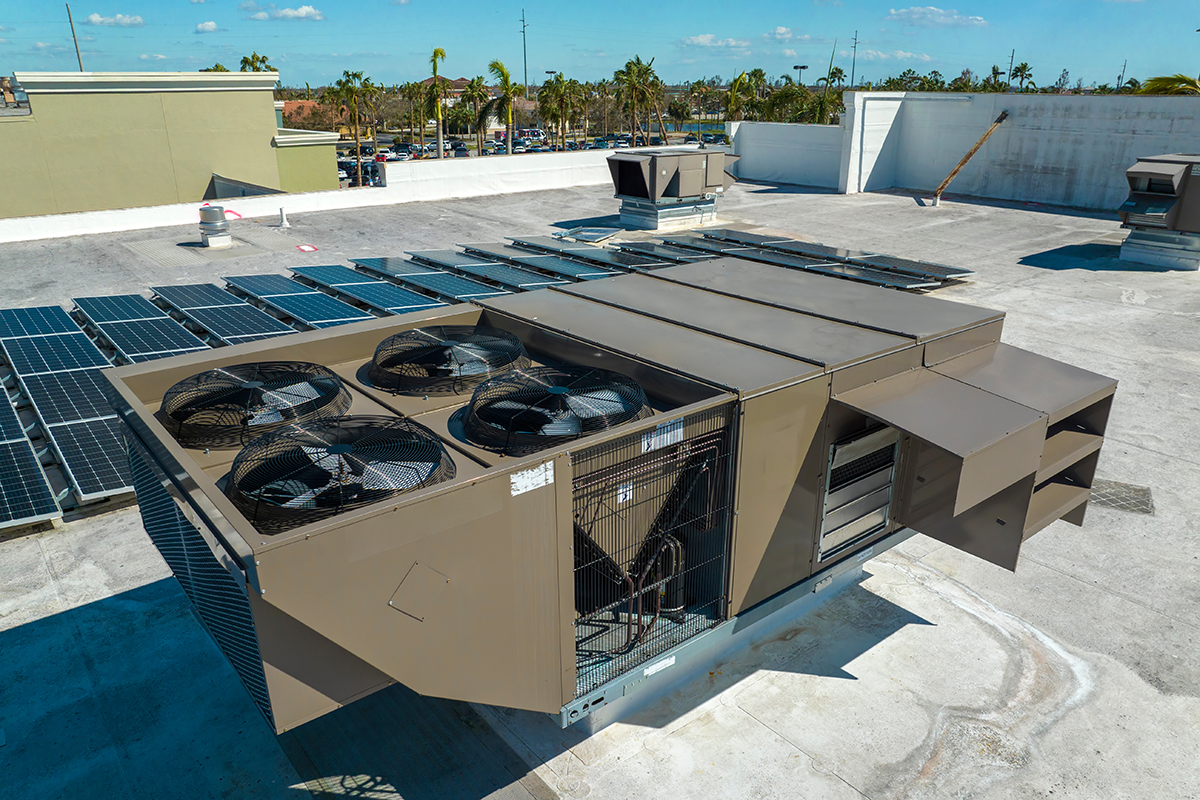
The system consists of one outdoor condensing unit connected to multiple indoor air handlers through refrigerant piping. Each indoor unit operates independently, so you can maintain different temperatures in different rooms or zones. In fact, some spaces can be cooling while others are heating—all from the same system. This level of control was simply impossible with traditional forced-air systems.
We’ve installed these systems in various settings. These include multi-story office buildings and large homes where different occupants prefer different temperature settings. The technology originated in Japan in the 1980s. Since then, it has become increasingly popular in North America as property owners discover its remarkable efficiency and flexibility.
How VRF Systems Differ from Traditional HVAC
Traditional central air systems operate on an all-or-nothing principle. When your thermostat calls for cooling, the entire system kicks on at full capacity. It runs until the setpoint is reached, then shuts off completely. This constant cycling wastes energy and creates temperature fluctuations throughout your space.
VRF HVAC systems, on the other hand, use inverter-driven compressors that adjust their speed based on demand. Rather than cycling on and off repeatedly, the system ramps up or down smoothly to maintain your desired temperature. Because of this, you’ll notice more consistent comfort and significantly lower energy bills.
Another major difference involves ductwork. Traditional systems require extensive duct networks that can leak conditioned air and harbor dust. However, VRF systems use compact refrigerant lines. These lines take up far less space and eliminate the efficiency losses associated with leaky ductwork. Plus, installation is often quicker and less invasive to your property.
Zoning Capabilities That Make a Difference
One of the most compelling reasons property owners choose VRF technology is its superior zoning capabilities. Each indoor unit connects to its own thermostat. This gives occupants complete control over their individual spaces. No more battles over the thermostat or wasting energy cooling empty rooms.
We’ve seen this benefit transform how commercial buildings operate. For example, conference rooms can be cooled only when meetings are scheduled. Meanwhile, server rooms maintain precise temperatures 24/7. Similarly, residential clients love being able to keep bedrooms cooler at night while maintaining comfortable temperatures in living areas during the day.
Energy Efficiency Benefits of VRF HVAC
Energy efficiency is where variable refrigerant flow systems truly shine. Traditional HVAC systems typically operate at only one speed—full blast. This means they’re either using maximum energy or no energy at all. VRF systems continuously adjust their output to match the exact heating or cooling load required at any given moment.
This modulating capability can reduce energy consumption by 30% to 50% compared to conventional systems. That’s a substantial difference that shows up immediately on your utility bills. The inverter compressor technology allows the outdoor unit to operate at partial capacity most of the time. Consequently, it uses far less electricity than the constant on-off cycling of traditional compressors.
Another efficiency advantage comes from heat recovery capabilities. Advanced VRF systems can capture waste heat from zones that require cooling. Then they redirect it to zones that need heating. This simultaneous heating and cooling means the system isn’t fighting against itself, which would waste energy. Instead, it uses thermal energy that would otherwise be expelled outdoors.
Long-Term Cost Savings
While the upfront investment for a VRF HVAC system is typically higher than conventional options, the long-term savings are impressive. Lower monthly energy bills mean you’ll start recouping that initial investment right away. Most commercial property owners see a return on investment within five to seven years. Sometimes it’s even sooner depending on local utility rates.
Maintenance costs also tend to be lower over time. Since the system doesn’t cycle on and off constantly, there’s less wear and tear on components. Additionally, the modular nature means if one indoor unit needs service, the rest of the system continues operating normally. We don’t see the complete system failures that can occur with traditional central air systems.
Is VRF Right for Your Property?
Variable refrigerant flow technology works exceptionally well for certain applications. However, it’s not necessarily the best choice for every situation. Multi-zone buildings with varying occupancy patterns and temperature requirements benefit most from this technology. Commercial offices, hotels, medical facilities, and restaurants are ideal candidates.
Residential applications are becoming more common too. They work especially well for larger homes or properties where household members have different comfort preferences. If you have rooms that are consistently too hot or too cold with your current system, VRF could solve those persistent comfort issues. The technology also makes sense for home additions where extending existing ductwork would be impractical or expensive.
That said, smaller homes with straightforward heating and cooling needs might not require the advanced capabilities that VRF offers. A high-efficiency traditional system or ductless mini-split might be more cost-effective for those situations. When you schedule a consultation, we’ll assess your specific property, usage patterns, and budget to recommend the most appropriate solution.
Installation Considerations for VRF Systems
Installing a VRF HVAC system requires specialized knowledge and experience. The refrigerant piping must be precisely sized and installed according to strict specifications. Improper installation can lead to reduced efficiency, compressor damage, or complete system failure. This isn’t a technology where shortcuts are acceptable.
Our certified technicians undergo extensive training on VRF systems from major manufacturers. We understand the critical importance of proper refrigerant line sizing. We also ensure correct oil return and program the system’s controls for optimal performance. Installation typically takes longer than conventional systems because of the precision required. However, that attention to detail ensures your system operates as designed for years to come.
One advantage during installation is the flexibility of refrigerant lines compared to bulky ductwork. We can often route lines through smaller spaces. This requires fewer modifications to your building’s structure. This flexibility makes VRF particularly attractive for retrofits in older buildings where adding traditional ductwork would be extremely disruptive or impossible.
What to Expect During Installation
When you choose Premier Comfort Solutions for your VRF installation, we start with a comprehensive load calculation and system design. We’ll evaluate each zone’s heating and cooling requirements. Then we determine optimal indoor unit locations and plan the most efficient refrigerant line routing. This planning phase is crucial for system performance.
We’ll handle the entire installation process. This involves mounting the outdoor condensing unit and installing indoor air handlers in designated zones. We also run refrigerant lines between them and set up the control systems. Because VRF technology relies on precise refrigerant charge and proper evacuation procedures, we take our time to ensure everything is done correctly. Once installation is complete, we thoroughly test the system and train you on proper operation.
Maintenance Requirements for VRF Technology
Like any HVAC system, variable refrigerant flow units require regular maintenance to perform optimally and last their expected lifespan. However, the maintenance requirements differ somewhat from traditional systems. This is because there are multiple indoor units and no ductwork to clean.
We recommend scheduling professional maintenance at least twice annually. Schedule once before cooling season and once before heating season. During these visits, we inspect all indoor units and clean filters and coils. We also check refrigerant levels, test electrical connections, and verify that the system’s controls are functioning properly. Regular maintenance helps us identify potential issues before they become costly repairs.
Between professional visits, the air filters in your indoor units should be cleaned or replaced monthly by a licensed professional. This is especially important during peak usage periods. Dirty filters restrict airflow, forcing the system to work harder and reducing efficiency. A certified technician will also keep the outdoor unit free from debris like leaves, grass clippings, and snow to help maintain optimal performance.
Common Issues with VRF HVAC Systems
While VRF systems are remarkably reliable, issues can occasionally arise. One common problem involves refrigerant leaks. These can occur at pipe connections or due to physical damage to the refrigerant lines. If you notice reduced cooling or heating performance in one or more zones, there might be a leak. You might also hear hissing sounds near the refrigerant lines. A licensed professional will need to locate the leak, repair it, and recharge the system with the proper amount of refrigerant.
Control board failures can also occur. This is particularly true if the system experiences power surges or electrical issues. When a control board malfunctions, you might see error codes displayed on indoor unit controllers. Certain zones may also stop responding to temperature adjustments. These sophisticated electronic components require professional diagnosis and replacement by a licensed technician.
Sometimes indoor units develop drainage problems when condensate lines become clogged with algae or debris. If you notice water dripping from an indoor unit or water stains on walls or ceilings nearby, the condensate drain needs attention from a licensed professional. While this might seem minor, ignoring drainage issues can lead to serious problems. These include water damage, mold growth, and unit damage over time.
Why Professional Service Matters
VRF technology is considerably more complex than traditional HVAC systems. The refrigerant circuits, electronic expansion valves, sophisticated controls, and inverter-driven compressors all require specialized diagnostic equipment and training to service properly. Our technicians have manufacturer-specific training and the advanced tools needed to troubleshoot these systems accurately.
Attempting repairs without proper knowledge can be dangerous and expensive. Refrigerant handling requires EPA certification. Moreover, mistakes can damage expensive compressors or control boards. When you notice performance issues, unusual sounds, error codes, or anything else concerning, contact a licensed HVAC professional right away. Early intervention prevents minor issues from escalating into major repairs.
Environmental Benefits of Choosing VRF
Beyond the personal benefits of comfort and lower utility bills, VRF HVAC systems offer significant environmental advantages. The exceptional energy efficiency means less electricity consumption. This reduces greenhouse gas emissions from power plants. If reducing your carbon footprint matters to you, this technology represents a meaningful step in that direction.
Modern VRF systems also use more environmentally friendly refrigerants compared to older HVAC technologies. Manufacturers have transitioned to refrigerants with lower global warming potential while maintaining excellent performance. This ongoing evolution makes VRF an increasingly sustainable choice for climate control.
The longevity of these systems also contributes to environmental benefits. With proper maintenance, VRF systems often last 20 years or more. This compares to 12-15 years for many traditional systems. Longer equipment life means less manufacturing waste and fewer resources consumed to produce replacement systems. It’s a win for both your wallet and the environment.
Making the Decision: Is VRF HVAC Worth the Investment?
Deciding whether to invest in variable refrigerant flow technology depends on your specific situation, budget, and long-term plans. If you’re operating a commercial property with diverse heating and cooling needs across different zones, VRF often provides the best return on investment. The energy savings alone can justify the higher upfront cost within just a few years.
For residential applications, consider factors like home size and how long you plan to stay in the property. Also consider whether your current system leaves certain areas uncomfortable. If you’re building a new home or planning a major renovation, incorporating VRF from the start is often more cost-effective than retrofitting later.
We’re here to help you evaluate whether this advanced technology makes sense for your property. We’ll assess your current system and discuss your comfort goals and budget. Then we’ll provide honest recommendations. We believe in matching the right solution to each customer’s unique needs rather than pushing any particular technology.
If you’re interested in learning more about VRF HVAC and whether it’s the right choice for your Haysville property, contact Premier Comfort Solutions today. We’ll answer your questions and evaluate your space. We’ll also help you make an informed decision about your heating and cooling future. Let us show you how modern HVAC technology can transform your comfort and efficiency.
Frequently Asked Questions
How much does a VRF HVAC system cost compared to traditional systems?
VRF systems typically cost 20-40% more upfront than traditional HVAC systems. However, they deliver 30-50% better energy efficiency. Most commercial property owners recover the higher initial investment through lower utility bills within five to seven years. For residential applications, the payback period depends on home size, usage patterns, and local energy costs.
Can VRF systems provide both heating and cooling simultaneously?
Yes, advanced heat recovery VRF systems can heat some zones while cooling others at the same time. The system captures waste heat from areas requiring cooling. Then it redirects this heat to zones that need heating. This capability is particularly valuable in commercial buildings where different spaces have different temperature requirements throughout the day.
What maintenance does a VRF system need?
VRF systems require professional maintenance twice yearly. This includes inspecting all indoor units, checking refrigerant levels, cleaning coils, and verifying controls. A licensed HVAC professional should handle all maintenance tasks. Your certified technician will also keep the outdoor unit clear of debris to help maintain optimal performance and prevent potential issues.
How long do VRF HVAC systems typically last?
With proper maintenance by a licensed professional, VRF systems typically last 20 years or longer. This exceeds the 12-15 year lifespan of many traditional HVAC systems. The modulating operation creates less wear on components compared to constant on-off cycling. Regular professional maintenance is essential to achieving this extended lifespan and maintaining peak efficiency throughout.