

How the Cycle of Refrigerant Powers Your Home’s Cooling System
Your air conditioning system relies on a fascinating scientific process called the cycle of refrigerant to keep your Haysville home cool and comfortable. Understanding how this cycle works can help you recognize when something isn’t right with your cooling system and know when it’s time to call for professional help.
The refrigerant cycle is the heart of your AC system’s cooling process. This closed-loop system moves refrigerant through different components, changing its state from liquid to gas and back again to absorb heat from inside your home and release it outside. When this cycle operates efficiently, you enjoy consistent cooling. When problems arise, your comfort suffers.
The Four Essential Stages of Refrigerant Cycle
The cycle of refrigerant involves four main stages that work together to create the cooling effect in your home. Each stage plays a crucial role in the overall process, and understanding these stages helps homeowners recognize when their system isn’t performing properly.
Evaporation: Absorbing Heat Inside Your Home
The cycle begins in your indoor unit’s evaporator coil, where liquid refrigerant enters and absorbs heat from the warm air in your home. As the refrigerant absorbs this heat energy, it changes from a liquid to a gas. This phase change is what creates the cooling effect you feel when air passes over the cold evaporator coils.
During this stage, you might notice issues if your evaporator coils are dirty or frozen. Signs include reduced airflow, ice formation on the coils, or warm air coming from your vents. These problems can disrupt the refrigerant cycle and require professional attention.
Compression: Building Pressure and Temperature
Next, the gaseous refrigerant travels to the compressor in your outdoor unit. The compressor pressurizes the refrigerant gas, which increases both its pressure and temperature significantly. This high-pressure, high-temperature gas then moves to the condenser coil.
Compressor problems can severely impact the refrigerant cycle. Warning signs include unusual noises from the outdoor unit, the system cycling on and off frequently, or your AC running constantly without cooling effectively. A certified technician will diagnose compressor issues using specialized tools and techniques.
Condensation: Releasing Heat Outside
In the condenser coil located in your outdoor unit, the hot, pressurized refrigerant gas releases its heat to the outside air. As it loses heat, the refrigerant condenses back into a liquid state. Your outdoor unit’s fan helps this process by moving air across the condenser coils.
Problems with condensation often stem from dirty condenser coils, blocked airflow around the outdoor unit, or fan motor issues. You might notice your outdoor unit working harder than usual, higher energy bills, or inadequate cooling throughout your home when condensation isn’t occurring properly.
Expansion: Preparing for the Next Cycle
Finally, the liquid refrigerant passes through an expansion valve or metering device, which reduces its pressure and temperature. This prepares the refrigerant to return to the evaporator coil and begin the cycle again.
Expansion valve problems can cause temperature and pressure imbalances throughout the system. A professional HVAC technician will use gauges and diagnostic equipment to measure these parameters and determine if the expansion valve is functioning correctly.
Common Signs Your Refrigerant Cycle Isn’t Working Properly
When the cycle of refrigerant encounters problems, your cooling system’s performance suffers. Recognizing these warning signs helps you identify when professional service is needed:
- Insufficient cooling: Your AC runs constantly but doesn’t reach the desired temperature
- Ice formation: Frost or ice appears on indoor or outdoor coils
- Unusual sounds: Hissing, bubbling, or grinding noises from indoor or outdoor units
- Higher energy bills: Increased electricity costs without changes in usage patterns
- Short cycling: The system turns on and off frequently without completing full cooling cycles
- Warm air from vents: Air conditioning vents blow warm or room-temperature air
These symptoms often indicate problems with refrigerant levels, component failures, or system inefficiencies that affect the refrigerant cycle. Understanding common HVAC problems can help you recognize when your system needs professional attention.
What Disrupts the Refrigerant Cycle
Several factors can interfere with the proper functioning of the refrigerant cycle. Understanding these potential issues helps homeowners take preventive measures and recognize when professional help is necessary.
Refrigerant Leaks
Refrigerant leaks are among the most serious problems affecting the cycle. When refrigerant levels drop due to leaks, the system cannot absorb and transfer heat effectively. Signs of refrigerant leaks include hissing sounds, ice formation, and gradually declining cooling performance.
Professional technicians use specialized leak detection equipment to locate and repair refrigerant leaks. They’ll also properly recharge the system with the correct type and amount of refrigerant, ensuring the cycle operates efficiently.
Component Failures
Various components in your AC system can fail and disrupt the refrigerant cycle. Common failures include compressor problems, expansion valve malfunctions, and coil damage. Each of these issues requires professional diagnosis and repair.
According to the Environmental Protection Agency, proper maintenance and professional service help prevent component failures and extend system life. Regular maintenance allows certified technicians to identify potential problems before they disrupt the refrigerant cycle.
Airflow Restrictions
Poor airflow affects heat transfer in both the evaporator and condenser coils, disrupting the refrigerant cycle’s efficiency. Dirty filters, blocked vents, or debris around the outdoor unit can all restrict airflow and impact system performance.
While homeowners can replace filters and keep outdoor units clear of debris, more complex airflow issues require professional evaluation. Understanding your AC condenser’s role helps you appreciate why proper airflow is crucial for the refrigerant cycle.
Professional Diagnosis and Service
When problems with the refrigerant cycle occur, professional diagnosis and service are essential. Certified HVAC technicians have the training, tools, and experience to properly evaluate and repair refrigerant cycle issues.
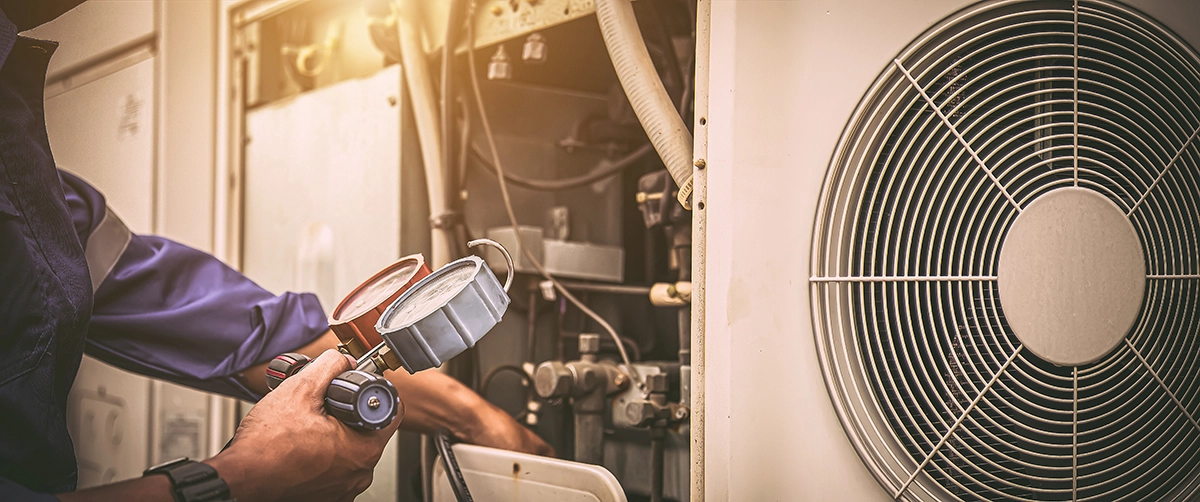
A professional service call typically includes pressure testing, temperature measurements, leak detection, and component evaluation. Your HVAC pro will use manifold gauges to check refrigerant pressures, thermometers to verify temperature changes, and electronic leak detectors to find any refrigerant leaks.
Professional repairs might involve refrigerant recovery and recharging, component replacement, or system cleaning. These procedures require EPA certification and specialized equipment, making DIY repairs impossible and potentially dangerous.
Maintaining Your System for Optimal Refrigerant Cycle Performance
Regular maintenance helps ensure your refrigerant cycle operates efficiently throughout the cooling season. Professional maintenance includes cleaning coils, checking refrigerant levels, testing components, and identifying potential problems before they cause system failures.
During maintenance visits, certified technicians will inspect the entire refrigerant cycle, from the evaporator coil to the condenser coil. They’ll verify proper refrigerant levels, check for leaks, clean coils, and test all components to ensure optimal performance.
Professional AC maintenance in Haysville protects your investment and ensures reliable cooling when you need it most. Regular service helps prevent minor issues from becoming major problems that disrupt the refrigerant cycle.
Trust Premier Comfort Solutions for Your AC System Needs
Understanding the cycle of refrigerant helps you appreciate the complexity of your cooling system and recognize when professional service is needed. When problems arise with your refrigerant cycle, don’t wait – prompt professional attention prevents minor issues from becoming costly repairs.
At Premier Comfort Solutions, our certified technicians have the expertise to diagnose and repair all aspects of your AC system’s refrigerant cycle. We use professional-grade tools and techniques to ensure your system operates efficiently and reliably throughout the cooling season.
Don’t let refrigerant cycle problems compromise your home’s comfort. Contact us today to schedule professional service and keep your AC system running at peak performance.
Frequently Asked Questions
How do I know if my AC has a refrigerant leak?
Signs include hissing sounds from the unit, ice formation on coils, gradually declining cooling performance, and higher energy bills. Professional leak detection equipment is needed to locate and confirm leaks.
Can I add refrigerant to my AC system myself?
No, refrigerant handling requires EPA certification and specialized equipment. Only licensed professionals should check, add, or replace refrigerant in your AC system.
Why is my AC running but not cooling effectively?
This often indicates problems with the refrigerant cycle, such as low refrigerant levels, component failures, or airflow restrictions. Professional diagnosis can identify the specific cause.
How often should refrigerant levels be checked?
Refrigerant levels should be checked during annual maintenance visits. In a properly functioning system, refrigerant doesn’t need regular replacement unless there’s a leak.