

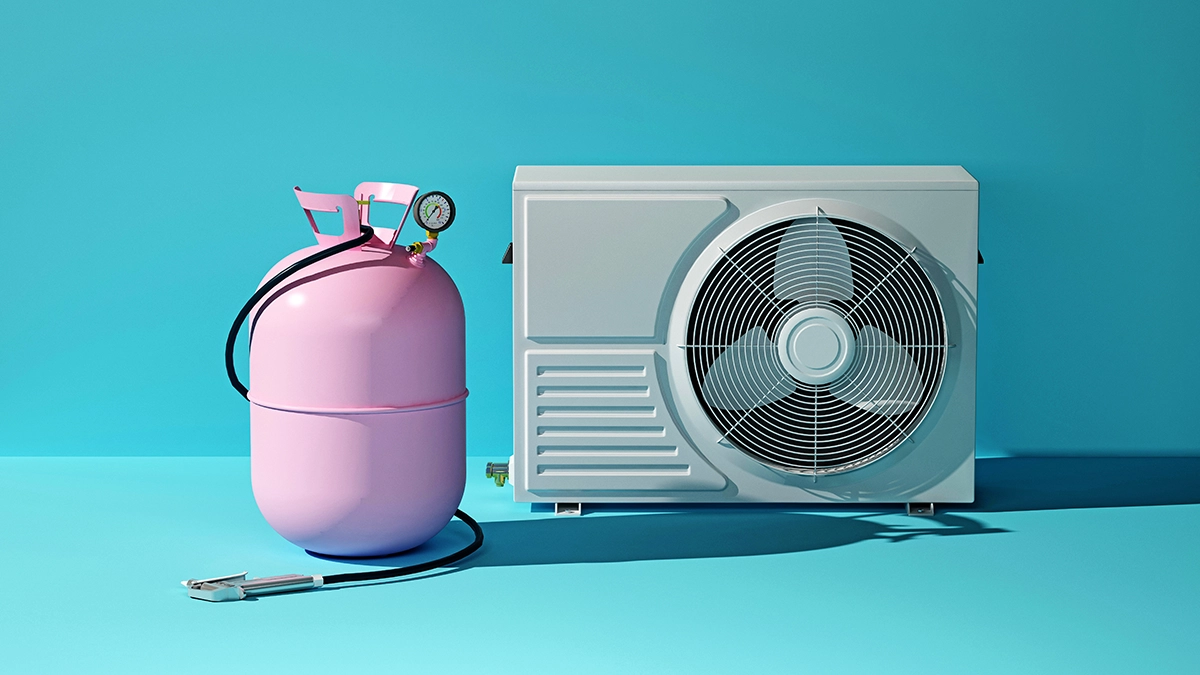
As HVAC technology continues to evolve, R32 refrigerant has emerged as a significant player in modern cooling systems. If you’re considering a new air conditioning system or wondering about the refrigerant in your current unit, understanding R32 refrigerant is essential for making informed decisions about your home comfort system.
What is R32 Refrigerant?
R32 refrigerant, also known as difluoromethane, is a hydrofluorocarbon (HFC) that has gained widespread adoption in residential and commercial air conditioning systems. This single-component refrigerant represents a major advancement over older refrigerant types, offering improved efficiency and reduced environmental impact compared to its predecessors like R410A.
Unlike blended refrigerants that contain multiple components, R32 is a pure refrigerant, which means it maintains consistent performance characteristics throughout its service life. This consistency translates to more reliable operation and easier maintenance for HVAC professionals working on your system.
Environmental Benefits of R32 Refrigerant
One of the most compelling reasons for the transition to R32 refrigerant is its significantly lower environmental impact. R32 has a Global Warming Potential (GWP) of 675, which is approximately 68% lower than R410A’s GWP of 2,088. This substantial reduction means that R32 refrigerant contributes less to climate change when released into the atmosphere.
The lower GWP rating aligns with international efforts to reduce greenhouse gas emissions from HVAC systems. Many manufacturers have embraced R32 refrigerant as part of their commitment to environmental sustainability, making it increasingly common in new air conditioning installations.
Performance Advantages in HVAC Systems
R32 refrigerant offers several performance benefits that directly impact your home’s comfort and energy costs. The refrigerant has excellent thermodynamic properties that allow for higher energy efficiency ratings in properly designed systems. This improved efficiency can translate to lower electricity bills and reduced energy consumption.
Additionally, R32 refrigerant has better heat transfer characteristics than many alternatives, which means your air conditioning system can achieve desired temperatures more effectively. The refrigerant also requires smaller charge volumes compared to R410A, which can reduce the overall cost of refrigerant needed during installation or service.
Safety Considerations for Homeowners
While R32 refrigerant offers many advantages, it’s important to understand its safety characteristics. R32 is classified as mildly flammable, earning an A2L safety classification from ASHRAE. However, this designation doesn’t mean your home is at risk when you have a properly installed and maintained system.
The flammability risk is extremely low under normal operating conditions because R32 requires specific concentration levels and an ignition source to combust. Modern air conditioning systems using R32 refrigerant incorporate multiple safety features and are designed according to strict safety standards to minimize any potential risks.
Professional installation and regular maintenance by certified technicians are crucial for ensuring safe operation. Your HVAC professional will follow specific protocols when working with R32 refrigerant systems to maintain safety throughout the service process.
Signs Your System Uses R32 Refrigerant
If you’re unsure whether your air conditioning system uses R32 refrigerant, there are several ways to identify it. Most systems will have a label on the outdoor unit that clearly states the type of refrigerant used. Look for “R32” or “Refrigerant R32” on the equipment nameplate or service labels.
Newer air conditioning systems installed after 2018 are more likely to use R32 refrigerant, especially in mini-split and ductless systems. However, the only definitive way to confirm your system’s refrigerant type is to have a certified HVAC technician inspect your equipment and verify the refrigerant specifications.
Service and Maintenance Requirements
Systems using R32 refrigerant require specialized knowledge and equipment for proper service and maintenance. Not all HVAC technicians are certified to work with R32 refrigerant, so it’s essential to choose a qualified professional who has the proper training and certification.
Regular maintenance remains crucial for R32 refrigerant systems, just like any air conditioning system. However, the service procedures may differ slightly from those used for other refrigerant types. Your certified technician will follow specific safety protocols and use appropriate equipment designed for R32 refrigerant systems.
If your system develops a refrigerant leak, it’s critical to have it repaired promptly by a qualified professional. Attempting to add refrigerant or perform repairs without proper certification and equipment can be dangerous and may void your equipment warranty.
Cost Implications and System Replacement
When considering a new air conditioning system, R32 refrigerant units may have slightly different upfront costs compared to systems using other refrigerants. However, the improved efficiency often results in long-term savings on energy bills that can offset any initial cost differences.
If you currently have an older system using R22 or R410A refrigerant, you cannot simply convert it to use R32 refrigerant. The refrigerants are not compatible, and attempting to mix them can damage your equipment and create safety hazards. Upgrading to an R32 refrigerant system requires complete system replacement with equipment specifically designed for this refrigerant.
Future of R32 Refrigerant Technology
The HVAC industry continues to embrace R32 refrigerant as regulations around high-GWP refrigerants become more stringent. Many major manufacturers now offer extensive lines of equipment using R32 refrigerant, from residential split systems to commercial applications.
As the technology matures, we can expect to see continued improvements in system efficiency and safety features. Modern heat pump systems using R32 refrigerant are becoming increasingly sophisticated, offering better performance and reliability than ever before.
For homeowners planning future HVAC upgrades, understanding R32 refrigerant technology can help you make informed decisions about equipment selection and ensure your system meets current and future environmental regulations.
Working with Qualified Professionals
The transition to R32 refrigerant emphasizes the importance of working with properly certified HVAC professionals. These technicians have received specialized training on handling R32 refrigerant safely and understanding the unique requirements of these systems.
When selecting an HVAC contractor for installation, service, or maintenance of R32 refrigerant systems, verify that they have the appropriate certifications and experience with this technology. A qualified HVAC contractor will be familiar with the latest safety protocols and best practices for R32 refrigerant systems.
At Premier Comfort Solutions, our certified technicians stay current with the latest refrigerant technologies and safety requirements. We have the expertise and equipment necessary to properly service R32 refrigerant systems while maintaining the highest safety standards.
Whether you’re considering a new installation with R32 refrigerant or need service on an existing system, contact us today to discuss your options and ensure your home comfort system operates safely and efficiently for years to come.
Frequently Asked Questions
Is R32 refrigerant safe for my home?
Yes, R32 refrigerant is safe when properly installed and maintained by certified professionals. While it has mild flammability, modern systems include multiple safety features and operate well within safe parameters under normal conditions.
Can I convert my existing AC system to use R32 refrigerant?
No, you cannot convert existing systems to R32 refrigerant. Different refrigerants are not compatible, and mixing them can damage equipment and create safety hazards. You would need a complete system replacement designed for R32.
How do I know if my air conditioner uses R32 refrigerant?
Check the equipment nameplate or service labels on your outdoor unit for “R32” or “Refrigerant R32.” Systems installed after 2018, especially mini-splits, are more likely to use R32, but a certified technician can definitively identify your refrigerant type.
Does R32 refrigerant make my AC more efficient?
Yes, R32 refrigerant typically offers better energy efficiency than older refrigerants like R410A due to its superior thermodynamic properties and heat transfer characteristics, which can result in lower energy bills.