

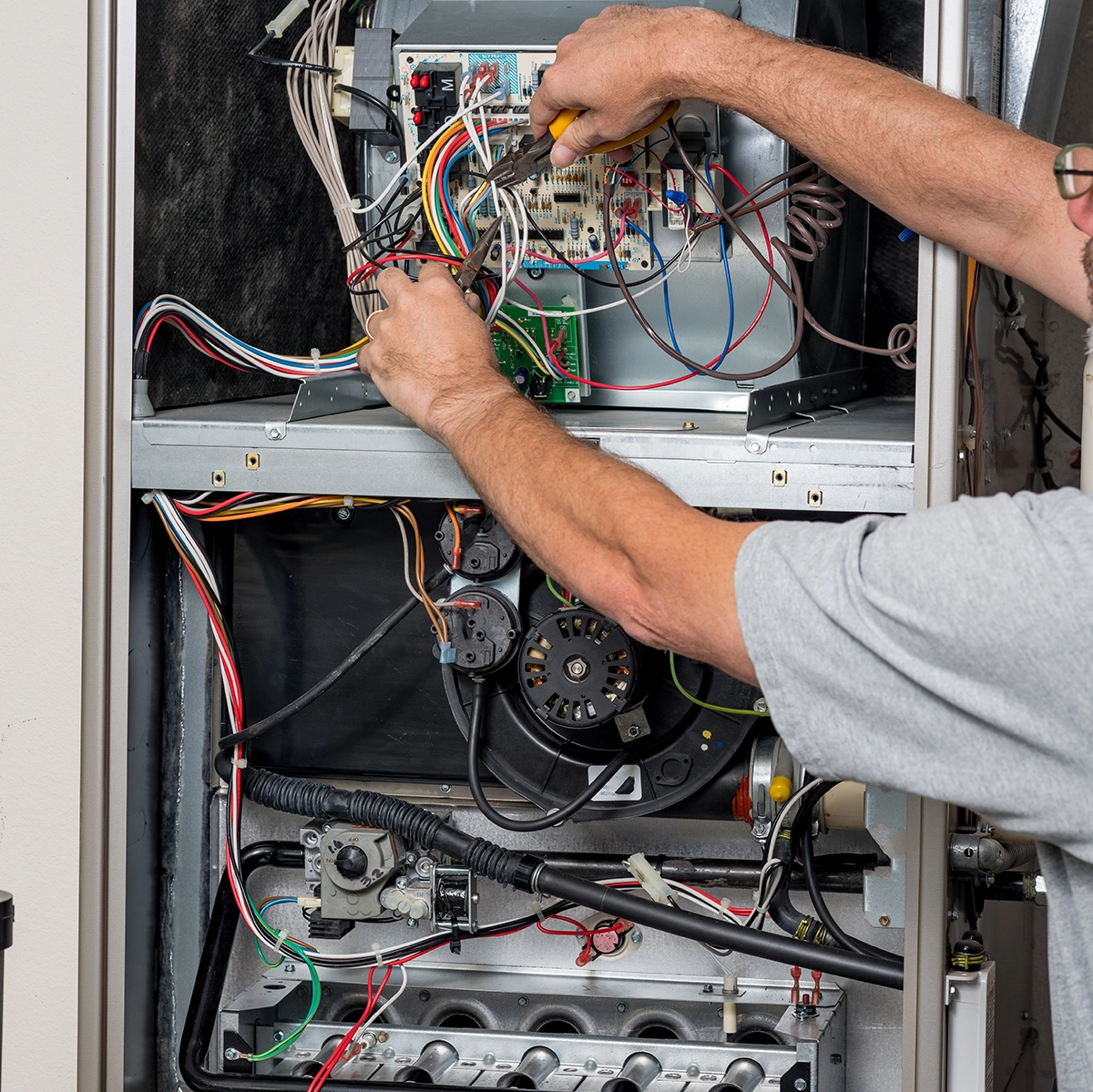
When your air conditioning system starts struggling to keep your home cool, the problem often lies with your AC blower motor. This essential component circulates conditioned air throughout your home. When it begins to fail, you’ll notice the effects quickly. Understanding how this critical part works and recognizing the signs of trouble can help you act fast. This way, a small issue won’t become a major breakdown during the hottest days of summer.
What Does Your AC Blower Motor Do?
The blower motor serves as the workhorse of your air conditioning system. Located inside the air handler unit, this electric motor powers the fan. The fan pushes cool air through your ductwork and into every room of your home. Without a functioning blower motor, your AC compressor might run perfectly. However, the cooled air would simply sit in the system instead of reaching your living spaces.
Think of it this way: your compressor cools the air, but the blower motor actually delivers that comfort to you. It runs constantly while your system operates. This means it experiences significant wear and tear over time. That’s why blower motor issues are among the most common HVAC problems homeowners face.
How the Blower Motor Works With Your System
Your cooling system relies on a carefully organized process. Once your thermostat signals that cooling is needed, the compressor begins chilling the refrigerant. As this cold refrigerant moves through the evaporator coil, the blower motor kicks on. It pulls warm air from your home across those cold coils. The air gets cooled, humidity gets removed, and the blower then pushes that comfortable air throughout your ductwork system.
Most modern systems use variable-speed or multi-speed blower motors. These allow for better efficiency and comfort control. These motors can adjust their speed based on your home’s specific cooling demands at any given moment. In contrast, older systems typically use single-speed motors that run at full capacity whenever they’re on.
Common Signs Your AC Blower Motor Is Failing
Recognizing the warning signs of a failing motor can save you from uncomfortable days. It can also prevent potentially costly emergency repairs. Here are the most common symptoms homeowners experience when their blower motor begins to fail.
Weak or No Airflow From Vents
The most obvious sign is reduced airflow coming from your vents. Place your hand near a supply vent and feel for air. If you feel only a trickle when your system runs, your blower motor may be struggling. In some cases, you might hear the system running but feel absolutely no air coming through at all. This often indicates the motor has completely failed. Alternatively, the fan wheel may have become detached.
Unusual Sounds Coming From Your System
Strange noises are never a good sign. A failing blower motor often announces its problems through squealing, screeching, or grinding sounds. These noises typically indicate worn bearings inside the motor. You might also hear rattling sounds. This could mean the fan wheel has come loose or debris has gotten into the blower housing. Because these components spin at high speeds, even small issues can create loud disturbances.
Higher Than Normal Energy Bills
When your motor starts to fail, it often has to work much harder to move air through your system. This increased effort translates directly into higher electricity use. If you’ve noticed your energy bills creeping up without any obvious explanation, your blower motor could be the problem. This is especially true during months when you’re running your AC regularly.
System Keeps Shutting Off Unexpectedly
Many blower motors have built-in overload protection. This shuts the motor down if it overheats. If your system runs for a short period and then shuts off, only to restart later, this cycling behavior often points to a motor that’s overheating. The motor may draw too much current due to worn bearings, accumulated dirt, or failing electrical components.
What Causes AC Blower Motor Problems?
Understanding why these motors fail can help you appreciate the importance of regular maintenance. Several factors contribute to early motor failure. Many of them can be prevented with proper care.
Lack of Regular Maintenance
The number one cause is simply neglected maintenance. When filters aren’t changed regularly, dirt and debris build up on the blower wheel and motor components. This buildup forces the motor to work harder and generates excess heat. It also speeds up wear on the bearings. We recommend changing your filter every 30-90 days depending on your home’s conditions.
Age and Normal Wear
Like any mechanical component with moving parts, blower motors have a limited lifespan. Most motors last between 10-20 years. However, this varies based on usage patterns and maintenance history. The constant starting and stopping takes its toll. Additionally, friction from thousands of hours of operation eventually causes problems. Even with perfect maintenance, motors will eventually wear out.
Electrical Issues
Voltage problems, faulty capacitors, and wiring issues can all damage your blower motor. Capacitors provide the initial jolt of electricity needed to start the motor spinning. When a capacitor begins to fail, the motor struggles to start. This creates stress on the windings inside. Over time, this can burn out the motor completely.
Overheating
Excessive heat is a motor’s enemy. When airflow gets restricted due to dirty filters, closed vents, or ductwork problems, the motor can’t stay cool. The motor itself generates heat during operation. It relies on the airflow it creates to remove that heat. Without adequate cooling, the insulation on the motor windings breaks down. This leads to electrical shorts and complete failure.
How Professionals Diagnose Blower Motor Issues
When you contact us with airflow concerns, our technicians follow a systematic diagnostic process. We start by listening to your description of the symptoms and when they occur. Then we’ll perform a visual inspection of the motor and blower assembly. We check for obvious signs of damage or wear.
Using specialized testing equipment, we measure the electrical current draw of the motor. This tells us if it’s within normal specifications. We also check the capacitor, as a failing capacitor often creates the same symptoms as a bad motor. Additionally, we inspect the blower wheel for balance issues, dirt buildup, or damage. We examine the motor bearings and test the motor’s ability to start and run smoothly under load.
This thorough approach ensures we identify the root cause rather than just treating symptoms. Sometimes what appears to be a motor problem is actually a different issue entirely. For example, it could be a bad thermostat, a frozen evaporator coil, or ductwork problems. That’s why professional diagnosis is so important before committing to expensive repairs.
Repair or Replace Your AC Blower Motor?
Once we diagnose a blower motor problem, the next question is whether to repair or replace. The answer depends on several factors. These include the age of your system, the extent of the damage, and the cost comparison between options.
When Repair Makes Sense
If the motor itself is fine but the capacitor has failed, we’ll replace the capacitor as a straightforward and cost-effective repair. Similarly, if the issue is a loose fan wheel or minor debris causing noise, these problems can often be corrected without replacing the motor. For newer systems still under warranty, component replacement may be covered. This makes repair the obvious choice.
When Replacement Is the Better Option
If your motor has burned out, has severely worn bearings, or is more than 10-15 years old, we typically recommend replacement. This is the more financially sensible option. Attempting to repair an old motor often provides only a temporary fix. You may find yourself facing the same problem again in a few months. Additionally, if your entire HVAC system is approaching 15 years old, it might be time to consider replacing the whole system rather than investing in an aging air handler.
Upgrading to a Variable-Speed Motor
If your blower motor needs replacing, we might recommend upgrading to a variable-speed model. This is especially true if your system doesn’t already have one. These motors offer better efficiency and improved comfort through more consistent temperatures. They also provide quieter operation and better humidity control. While the upfront cost is higher, the long-term energy savings and comfort benefits often justify the investment. We can help you evaluate whether this upgrade makes sense for your specific situation.
Preventing Future Blower Motor Problems
The good news is that many motor issues can be prevented with consistent maintenance. Here’s what we recommend to extend the life of your equipment and avoid unexpected breakdowns.
Change Your Filters Regularly
This simple task is the single most important thing you can do. A clean filter allows proper airflow, which keeps your motor from overworking. Set a reminder on your phone or mark your calendar to check your filter monthly. If it looks dirty, replace it. During peak cooling season, you may need to change filters more frequently.
Schedule Annual Professional Maintenance
Professional maintenance visits include cleaning the blower wheel and motor area. We also lubricate bearings (if applicable to your motor type), check electrical connections, test capacitors, measure airflow, and inspect for any signs of wear or developing problems. Catching small issues during maintenance prevents them from becoming major failures. Many motor problems could have been prevented with regular professional care.
Keep Vents and Returns Clear
Make sure your supply vents and return air grilles aren’t blocked by furniture, curtains, or other obstructions. Your system needs clear pathways for air to circulate properly. Restricted airflow puts extra strain on your motor and reduces overall system efficiency. Also, avoid closing off too many vents in unused rooms. This can create pressure imbalances that force your motor to work harder.
Address Problems Promptly
If you notice any unusual sounds, reduced airflow, or other symptoms, don’t wait to contact us. What starts as a minor issue can quickly escalate into a complete system failure if ignored. Early intervention almost always costs less than emergency repairs during the hottest week of summer.
Why Professional Service Matters for Blower Motor Issues
HVAC systems involve both high-voltage electricity and complex mechanical components. Working on your blower motor requires specialized knowledge, proper tools, and safety precautions. Most homeowners simply don’t have access to these.
Our technicians have the training to safely diagnose electrical issues. They can properly test motor components and ensure any repairs meet local code requirements. We also carry the right replacement parts and have the experience to complete repairs efficiently. Perhaps most importantly, professional service comes with warranties on both parts and labor. This gives you peace of mind that the work gets done right.
Attempting to work on these systems without proper training can lead to additional damage to your system. It can also cause personal injury from electrical shock or even fire hazards. When it comes to your home’s comfort and safety, professional HVAC service is always the smart choice.
Get Professional Help for Your Blower Motor Needs
When your cooling system isn’t working properly, our experienced HVAC technicians can quickly identify blower motor issues. We recommend the most cost-effective solutions. We stock replacement motors and parts, which means we can often complete repairs the same day.
We’ll always explain what we find, what your options are, and what the costs will be before performing any work. Whether you need routine maintenance, emergency repairs, or advice on whether to repair or replace, our team is here to help. We keep your home comfortable all year long.
Don’t wait until a small motor problem leaves you without cooling during a heat wave. Contact us today to schedule a diagnostic visit. You can also discuss any concerns you have about your air conditioning system’s performance.
Frequently Asked Questions
How long does an AC blower motor typically last?
Most AC blower motors last between 10 to 20 years with proper maintenance. However, lifespan varies based on usage patterns, maintenance quality, and environmental factors. Regular filter changes and annual professional maintenance significantly extend motor life. This reduces strain and prevents overheating issues.
What does it cost to replace an AC blower motor?
Blower motor replacement costs typically range from $300 to $600 for standard single-speed motors. Variable-speed motors can cost $600 to $1,500 installed. The exact price depends on your system type, motor specifications, and labor requirements. We provide detailed estimates before beginning any work.
Can I run my AC if the blower motor is bad?
No, you should not run your AC with a failed blower motor. Without proper airflow, your evaporator coil can freeze. This potentially damages the compressor and other components. Running the system with a bad motor often creates additional problems that significantly increase repair costs. Contact us immediately instead.
Why does my blower motor run constantly even when the AC is off?
A continuously running blower motor usually indicates a thermostat problem, a stuck relay, or incorrect fan setting. Check if your thermostat fan setting is on “ON” instead of “AUTO.” If switching to AUTO doesn’t resolve it, you likely have a faulty thermostat or relay. This needs professional diagnosis and replacement by our team.