

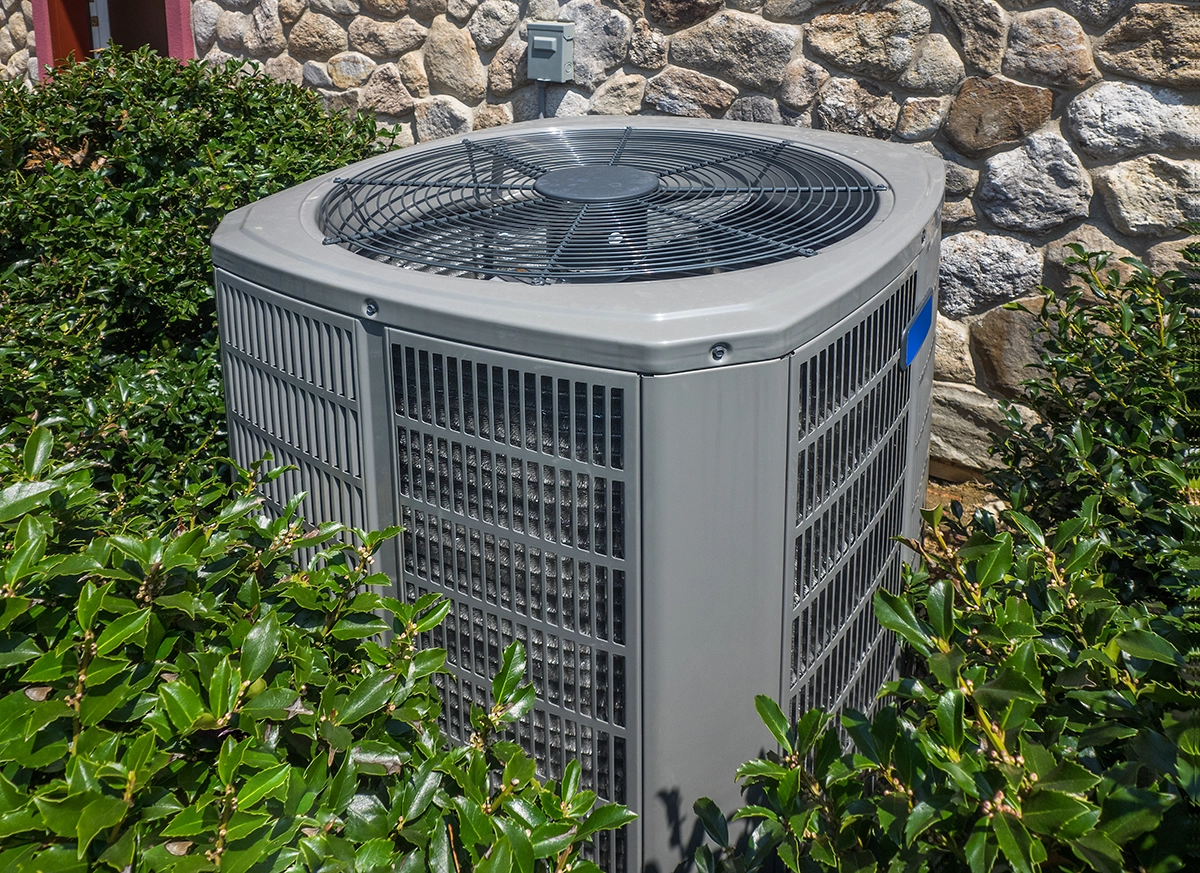
Understanding your AC condenser unit is crucial to maintaining a comfortable home environment. The outdoor component of your air conditioning system works hard to keep your home cool during hot summer months. Whether you’re experiencing cooling issues or simply want to learn more about this essential HVAC component, we’re here to help. We’ll provide the information you need to make informed decisions about your home’s comfort system.
What Is an AC Condenser Unit?
The condenser unit is the large metal cabinet that sits outside your home. It’s typically beside or behind your house. In fact, it’s one of the most important components of your central air conditioning system. This outdoor unit works with your indoor air handler to create the cooling cycle. Together, they keep your home comfortable.
Inside this outdoor cabinet, you’ll find several key parts. These include a compressor, condenser coil, fan, and various electrical components. Together, these parts work to release heat from inside your home into the outdoor air. Without a properly working condenser, your entire air conditioning system would fail to cool your home well.
How Your Condenser Unit Works
The cooling process begins when warm refrigerant flows from your indoor unit to the outdoor condenser. Once the refrigerant reaches the compressor, this component pressurizes the gas. As a result, it makes the gas even hotter. That might seem backward, but this is an essential step in the cooling process.
Next, the hot, pressurized refrigerant moves through the condenser coils. The outdoor fan blows air across these coils. As a result, the refrigerant releases its heat into the outdoor air. It then transforms from a gas back into a liquid. This cooled liquid travels back inside your home, where it absorbs heat from your indoor air. The cycle continues this way.
The Role of the Compressor
The compressor is often called the heart of your air conditioning system. It lives inside your condenser unit. This powerful component pumps refrigerant throughout the entire system. Since it’s one of the most expensive parts to replace, keeping your condenser unit well-maintained is important. Proper care helps protect this crucial component from early failure.
Common AC Condenser Unit Problems
Even though these units can handle outdoor elements, they’re not immune to problems. Recognizing warning signs early can help you avoid costly repairs. You can also prevent complete system breakdowns during peak cooling season.
Unusual Noises Coming From Your Condenser
Your outdoor unit will make some noise during normal operation. However, certain sounds indicate trouble. Grinding, squealing, or banging noises often point to worn bearings. They may also indicate loose components or failing motor parts. If you hear unusual sounds, call a licensed professional for an inspection.
The Unit Won’t Turn On
Several issues can prevent your condenser from starting. The problem might be as simple as a tripped breaker. On the other hand, it could be as complex as a failed capacitor or compressor. Because working with electrical components and refrigerant requires specialized knowledge, always contact a certified technician. Never attempt repairs yourself.
Reduced Cooling Performance
When your condenser unit struggles to release heat efficiently, your home won’t cool properly. This often happens when the condenser coils become dirty or blocked by debris. Additionally, low refrigerant levels can significantly reduce your system’s cooling capacity. Leaks often cause these low levels. Licensed technicians can diagnose the root cause and restore your system’s performance.
Ice Formation on the Unit
It seems strange for an outdoor unit to freeze, but ice buildup is a real concern. This typically indicates restricted airflow, refrigerant problems, or issues with the expansion valve. Never attempt to chip away ice yourself. This can damage delicate components. Instead, turn off your system and call for professional help.
Signs Your Condenser Unit Needs Attention
Beyond obvious malfunctions, several subtle signs suggest your outdoor unit needs professional service. Your energy bills might climb unexpectedly, even though your usage habits haven’t changed. This often means your condenser is working harder than it should to maintain comfortable temperatures.
You might also notice that your home takes longer to reach the desired temperature. Some rooms may never quite get cool enough. Meanwhile, short cycling can occur when your system turns on and off frequently. This puts tremendous stress on your condenser components and drives up operating costs.
Visible damage to the outdoor cabinet can also be a concern. Dents or bent fins on the coils can restrict airflow and reduce efficiency. Likewise, leaning or tilting of the unit indicates foundation settling or support problems. These issues need immediate attention.
Maintaining Your AC Condenser Unit
Proper maintenance extends the life of your condenser and keeps it running efficiently. While homeowners can help by keeping the area clear, professional maintenance is essential. It ensures long-term reliability and safe operation.
How to Identify When Your Unit Needs Professional Attention
You can help your condenser unit perform its best by keeping the area around it clear. Remove leaves, grass clippings, and other debris that pile up near the unit. Maintain at least two feet of clearance on all sides to ensure proper airflow. If you notice the protective grille is damaged or internal components appear dirty, contact a certified technician. Never remove panels or attempt to access internal components yourself.
Trim back any plants or shrubs that might restrict airflow around the cabinet. During fall, keep falling leaves from piling up against the unit. In winter, heavy snow can accumulate on top of the unit. If this happens, contact us to safely assess whether the unit needs attention.
Professional Maintenance Services
Certified technicians provide complete condenser unit maintenance. This requires specialized tools, training, and safety equipment. During a professional tune-up, we thoroughly clean the condenser coils. This removes built-up dirt and debris that blocks heat transfer. We also check refrigerant levels and test for leaks.
Additionally, we inspect electrical connections and lubricate moving parts. We also verify that all components operate correctly. Annual maintenance before cooling season begins helps catch small issues before they become expensive problems. Plus, regular service keeps your system running at peak efficiency. This lowers your energy bills and extends equipment life.
When to Consider Condenser Unit Replacement
Despite proper maintenance, every condenser eventually reaches the end of its useful life. Most units last between 10 and 15 years. This depends on usage patterns and maintenance history. Several factors indicate it might be time for replacement rather than repair.
If your condenser requires frequent repairs, replacement often makes more financial sense. This is especially true for major components like the compressor. Similarly, if your system uses R-22 refrigerant (Freon), you’ll face increasing costs. This refrigerant is being phased out. Upgrading to a newer system with modern refrigerant can save you money in the long run.
Advancing age combined with declining efficiency is another sign to consider replacement. Newer condenser units operate much more efficiently than older models. As a result, upgrading can significantly reduce your cooling costs. When your outdoor unit shows signs of wear while simultaneously driving up your energy bills, replacement typically offers better value than continued repairs.
Choosing the Right Condenser Unit for Your Home
If replacement is necessary, selecting the appropriate size and efficiency level ensures optimal comfort. It also ensures cost-effectiveness. Condenser units come in various sizes, measured in tons of cooling capacity. The right size for your home depends on several factors. These include square footage, insulation levels, window placement, and local climate conditions.
Licensed technicians perform detailed load calculations to determine the perfect size for your specific home. An oversized unit will short cycle and waste energy. Meanwhile, an undersized condenser will run constantly without adequately cooling your home. Either way, improper sizing leads to comfort problems and early equipment failure.
Efficiency ratings also matter significantly. The SEER (Seasonal Energy Efficiency Ratio) number indicates these ratings. Higher SEER ratings mean better efficiency and lower operating costs. However, they come with higher upfront costs. Our technicians help you balance initial investment against long-term savings. This helps find the best value for your situation.
Why Professional Installation Matters
Installing or replacing a condenser unit requires specialized knowledge, tools, and certification. The process involves handling refrigerants, which requires EPA certification. It also involves making precise electrical connections, ensuring proper refrigerant charge, and verifying airflow specifications. Because mistakes during installation can void warranties and create safety hazards, this work should always be left to qualified professionals.
Certified technicians have the training and experience to install your new condenser unit correctly the first time. We ensure your system operates at peak efficiency from day one. This protects your investment and your family’s comfort. Following best practices for air conditioning installation and maintenance helps maximize both performance and longevity of your system.
Protecting Your Investment
Your air conditioning condenser represents a significant investment in your home’s comfort. Protecting that investment starts with regular professional maintenance. It also requires prompt attention to any problems that arise. By staying alert to warning signs and scheduling annual tune-ups, you can maximize your system’s lifespan and efficiency.
We understand how much your family depends on reliable cooling. That’s why we provide comprehensive condenser unit services, from routine maintenance to complete replacement. Our experienced technicians bring years of expertise and the latest diagnostic tools to every job. This ensures your system receives the expert care it deserves. If you’re experiencing issues with your system or need professional AC maintenance, reach out today to schedule service.
Frequently Asked Questions
How often should I have my AC condenser unit serviced?
You should schedule professional maintenance for your AC condenser unit once per year. Ideally, do this in spring before cooling season begins. Annual service helps prevent breakdowns, maintains efficiency, and extends equipment life. Regular maintenance catches small problems before they become costly repairs. It also ensures your system operates reliably when you need it most.
Why is my condenser unit running but not cooling my house?
A running condenser that doesn’t cool typically indicates several possible issues. These include low refrigerant levels, dirty condenser coils, a faulty compressor, or problems with your indoor air handler. These issues prevent proper heat exchange and refrigerant flow. A certified technician needs to diagnose the specific problem. They’ll check refrigerant levels, inspect components, and perform necessary repairs to restore cooling performance.
Can I install a new condenser unit without replacing my indoor unit?
While physically possible, replacing only the condenser unit is not recommended. Modern systems work as matched sets for optimal efficiency and performance. Mismatched indoor and outdoor units often underperform and waste energy. They may also void manufacturer warranties. For best results and long-term value, replace both components together when upgrading your air conditioning system.
What size condenser unit does my home need?
Proper condenser sizing requires professional load calculations. These are based on your home’s square footage, insulation, windows, ceiling height, and climate. Oversized units short cycle and waste energy. Meanwhile, undersized units run constantly without adequate cooling. Licensed technicians perform detailed assessments to determine the correct size. This ensures optimal comfort, efficiency, and equipment longevity for your specific home.