

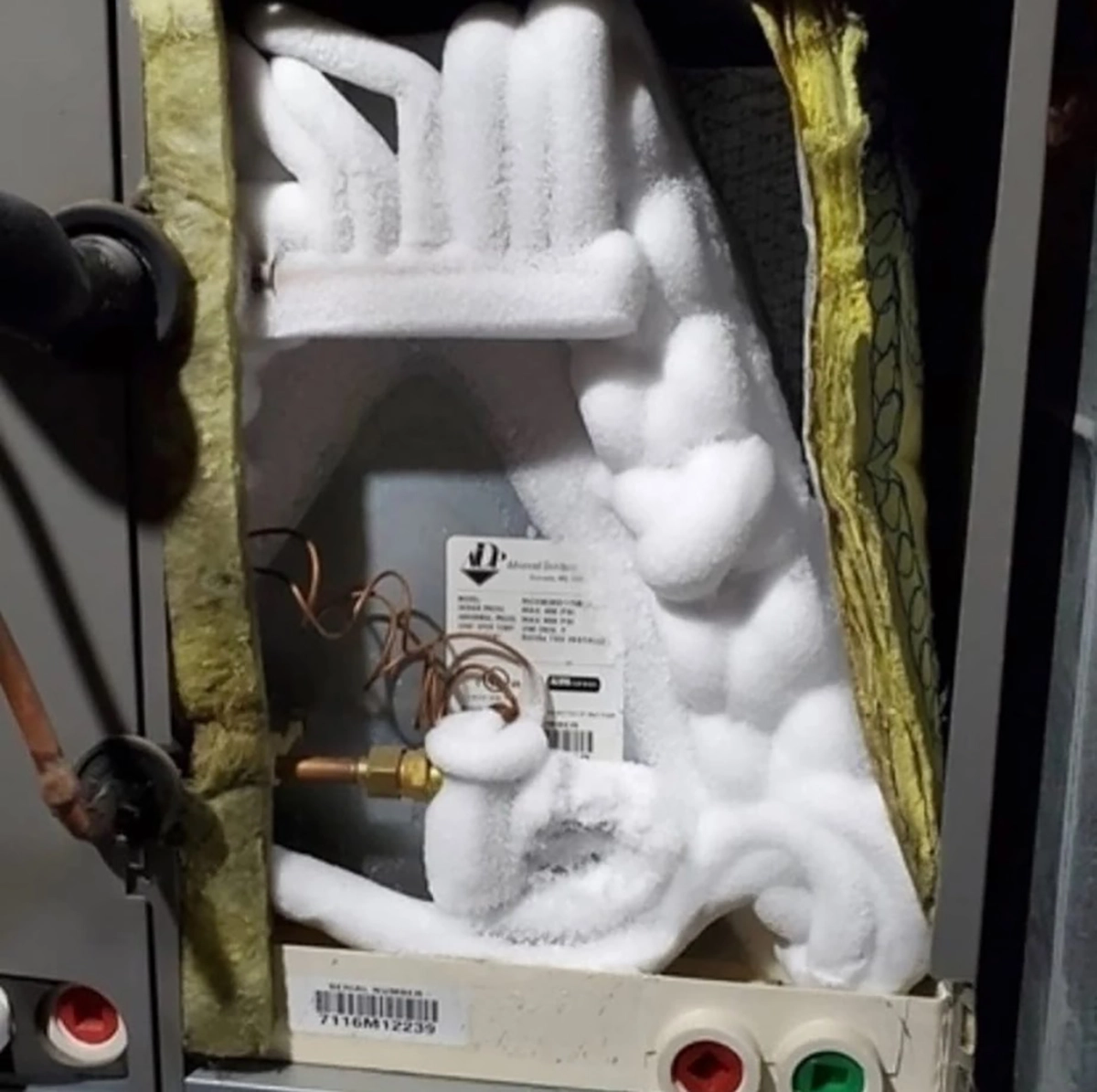
If you’re noticing weak cooling, strange sounds, or frost forming on your air conditioning lines, you may be dealing with ac expansion valve bulging and restricting refrigerant flow in bel_aire—a problem that demands immediate professional attention. The expansion valve plays a critical role in regulating how refrigerant moves through your cooling system. When it starts to bulge or fail, the effects ripple quickly—reduced cooling power, ice buildup, higher energy bills, and even compressor damage if left unchecked. Because the expansion valve operates under high pressure and depends on precise calibration, diagnosing and repairing bulging or restriction issues requires specialized tools and refrigerant handling expertise. Only a licensed HVAC technician should perform this work. We’ll help you recognize the warning signs, understand what causes this surprisingly common issue, and know exactly when to call our team for a safe, thorough repair.
Recognizing Physical Distortion in Your System’s Expansion Valve
Your air conditioner relies on a small but critical component called the expansion valve to regulate refrigerant flow into the evaporator coil. Specifically, a thermostatic expansion valve (TXV) controls how much refrigerant enters the coil. Under normal conditions, this valve ensures the right pressure drop so your system can absorb heat from your home’s air. When physical distortion occurs, the valve body swells and narrows the refrigerant passage, choking the flow your system needs to cool effectively. Many homeowners first discover ac expansion valve bulging and restricting refrigerant flow in bel_aire when their system begins cycling erratically or rooms stop cooling evenly.
Several factors can cause this bulging. Internal corrosion from moisture contamination, extreme pressure spikes from compressor issues, or manufacturing defects can all deform the valve body. When the valve restricts refrigerant flow, the evaporator coil doesn’t receive enough liquid refrigerant to do its job. You’ll often notice warm air from your vents, reduced airflow, or frost forming on the evaporator coil immediately after the TXV. This frost is a sign that the valve is restricting flow severely and dropping saturation temperature below freezing. In Bel Aire’s summer heat, a frozen coil paired with a struggling AC is a clear signal something’s wrong upstream.
If you’re experiencing any of these symptoms, we recommend shutting the system off to prevent compressor damage. Then call a licensed HVAC professional right away. Our technicians will inspect the valve, use specialized gauges to measure refrigerant pressures, and determine whether repair or replacement is needed to restore proper flow and cooling.
Identifying Early Symptoms Before Complete System Failure
When your expansion valve begins to bulge or restrict refrigerant flow, your air conditioning system will send clear signals that something’s wrong. Many homeowners first notice uneven cooling—some rooms feel comfortable while others stay warm, even when the thermostat is set correctly. You might also hear unusual hissing or bubbling sounds coming from the indoor unit. These sounds are caused by refrigerant struggling to pass through the restricted valve opening. Because ac expansion valve bulging and restricting refrigerant flow in bel_aire often progresses gradually, catching these early warnings can save you from more extensive damage and higher repair costs down the road.
Another telltale symptom is ice formation on the evaporator coil or refrigerant lines. When the valve restricts flow, the pressure drop (the difference between high-side and low-side refrigerant pressure) becomes excessive. This causes the coil to freeze. You may also see frost building on the outdoor unit or notice reduced airflow from your vents. According to industry sources, metal particles and rubber degradation from hoses can lodge inside the valve’s small orifice. These contaminants physically block refrigerant flow and trigger these symptoms.
If you’re experiencing any of these warning signs in your Bel Aire home, contact Premier Comfort Solutions right away. Our licensed technicians can diagnose valve problems quickly and restore proper refrigerant flow before the issue damages other system components.
Understanding the Root Causes Behind Valve Deformation
An expansion valve controls the precise flow of refrigerant into your evaporator coil. It maintains the pressure differential that makes cooling possible. When the valve bulges or deforms, that delicate control is lost—refrigerant can’t flow at the correct rate, your system struggles to cool, and pressure builds in places it shouldn’t. Several underlying issues can cause this kind of damage. Contamination from installation debris, chemical reactions between incompatible refrigerants, and sustained overpressure conditions all contribute to valve failure. Professional inspection becomes critical when you notice performance drops, especially in cases of ac expansion valve bulging and restricting refrigerant flow in bel_aire where summer heat places constant demand on cooling equipment.
Contamination ranks among the most common culprits. Dirt, metal shavings, or moisture inside your refrigerant lines can lodge in the valve’s narrow passages. These blockages force refrigerant to back up, and the resulting pressure spike stresses the valve body. Over time the metal can bulge or crack.
Similarly, refrigerant overcharge—too much refrigerant in the system—drives up pressure throughout the circuit. When pressure exceeds design limits, the expansion valve bears the brunt. This is especially true if the overcharge happened during a prior service call by an untrained technician. We’ve also seen valve damage from sudden pressure surges caused by compressor short-cycling or a malfunctioning pressure switch that fails to regulate high-side pressure.
Another factor is refrigerant compatibility and chemical breakdown. Mixing refrigerant types or using the wrong lubricant oil can degrade internal valve seals. This creates sludge that restricts flow and distorts the valve housing. In Bel Aire’s hot summer months, systems run nearly non-stop and put extra thermal stress on every component. A valve already weakened by contamination or overpressure may finally give way under sustained heat.
When diagnosing valve issues, our licensed technicians will use specialized refrigerant gauges to check charge levels. We’ll inspect for contamination, verify compressor operation, and test pressures across the system to pinpoint what caused the failure—and prevent it from happening again after the valve is replaced.
Professional Diagnosis and Repair From Our Local Team
If you’re noticing weak cooling, ice forming on your refrigerant lines, or unusual hissing sounds near your outdoor unit, don’t wait. These are red flags that your system’s refrigerant flow may be restricted, potentially due to a bulging or failing expansion valve. Delaying service puts unnecessary strain on your compressor, one of the most expensive components in your AC system. A simple valve repair can turn into a manageable repair into a much more complicated replacement if left unchecked.
Calling for service can feel uncertain, especially when you’re not sure what’s wrong. That’s why Premier Comfort Solutions starts every visit with a thorough assessment. When you reach out to us in Bel Aire, we’ll schedule a time that works for you. We’ll arrive ready to diagnose the issue thoroughly and walk you through exactly what we find. Our licensed technicians will use specialized equipment to inspect your refrigerant levels, check the expansion valve for bulging or blockage, and test your system’s performance to pinpoint the root cause. From pressure readings to visual inspections, we leave no stone unturned when investigating ac expansion valve bulging and restricting refrigerant flow in bel_aire or any other HVAC concern affecting your home comfort.
We stand behind every repair with our workmanship warranty. Plus, we’re here to help you keep your home comfortable all year long. Contact us for AC repair services today.
Frequently Asked Questions
Can a bulging expansion valve fix itself if I let my AC rest?
No, a bulging expansion valve won’t fix itself with rest. The physical deformation is permanent and requires professional replacement. Running the system with a damaged valve puts stress on your compressor and risks costly secondary damage. Shut your AC off and call a licensed HVAC technician so we can inspect the valve and restore proper flow.
How do I know if my AC expansion valve is bulging and restricting refrigerant flow in Bel Aire?
You’ll typically notice weak or warm airflow, ice on the evaporator coil or refrigerant lines, and unusual hissing sounds near your indoor unit. Frost starting right at the valve outlet signals restriction. Because diagnosing valve damage requires refrigerant pressure testing and specialized tools, contact a licensed professional for accurate diagnosis.
What causes an AC expansion valve to bulge in the first place?
Contamination from dirt or metal particles, refrigerant overcharge, and sudden pressure surges from compressor issues are the most common causes. Mixing incompatible refrigerants or using incorrect lubricant oil can also degrade internal seals and distort the valve. Our technicians will inspect your entire refrigerant circuit to prevent recurrence.
Is a bulging expansion valve restricting refrigerant flow an emergency in Bel Aire?
While not an immediate safety hazard, a bulging valve should be addressed quickly. It can lead to compressor damage and complete system failure. Turn your AC off to stop further strain, then call Premier Comfort Solutions. We’ll schedule a prompt visit, diagnose the issue, and provide a detailed repair plan.