

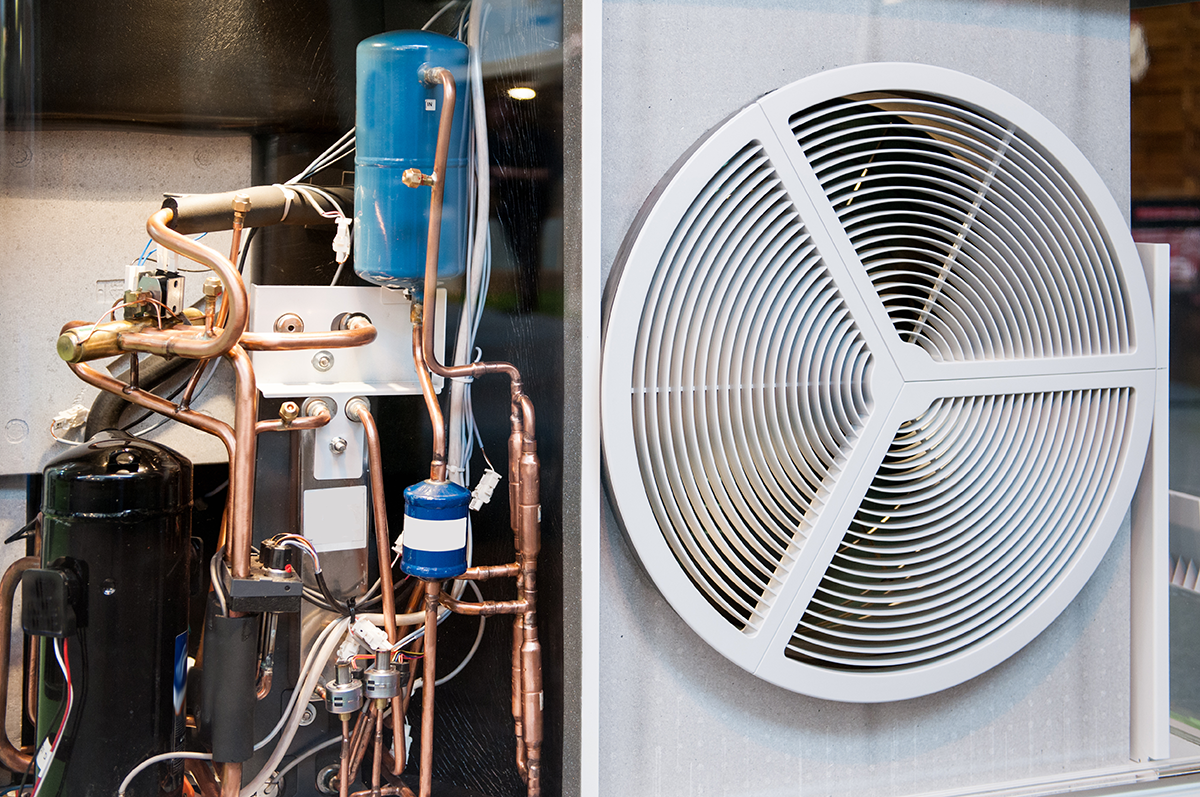
You’re enjoying a quiet evening at home in Derby when you notice your air conditioner making a loud, rhythmic banging or clattering sound from the outdoor unit. Suddenly, the cooling seems weaker than it should be. That noise and loss of performance could mean your AC liquid line accumulator failing and causing slugging in Derby, a serious mechanical problem that sends liquid refrigerant flooding into the compressor instead of the vapor it’s designed to handle. Slugging puts enormous strain on your compressor. If left unchecked, it can lead to catastrophic system failure and a costly emergency replacement. Because this issue involves the refrigerant system and precision components, diagnosing and repairing it safely requires specialized tools and the expertise of a licensed HVAC professional. So let’s walk through what’s happening, why it matters, and when to call our team for help.
Understanding the Protective Role of Your Accumulator Component
Your air conditioner’s accumulator is a protective component installed on the liquid line between the evaporator coil and the compressor. Its primary job is simple but critical: it catches any liquid refrigerant that didn’t fully vaporize inside your home’s evaporator coil. Then it prevents that liquid from entering the compressor. Think of it as a safety buffer that ensures only refrigerant vapor—never liquid—reaches your compressor’s internal components.
Why does that matter? Because your compressor is designed to compress gas, not liquid. When liquid refrigerant enters the compressor—a condition we call slugging—the compressor tries to compress an incompressible fluid. According to ACHR News, slugging can result in broken valves, broken head gaskets, broken connecting rods, and other major compressor damage. The accumulator acts as a temporary holding tank. It allows any stray liquid to boil off safely before vapor continues to the compressor.
When an accumulator begins to fail in Derby’s summer heat, it can no longer separate liquid from vapor effectively. You may notice loud banging or knocking sounds from the outdoor unit. Also, you may see reduced cooling capacity or the system cycling on and off frequently. Derby homeowners often report these symptoms escalating rapidly during peak summer months when cooling demands stress an already compromised accumulator. If you’re experiencing any of these symptoms, we can diagnose whether your AC liquid line accumulator failing and causing slugging in Derby before catastrophic damage occurs to your compressor.
Warning Symptoms That Point to Accumulator Breakdown
When an accumulator fails, you’ll often notice unusual noises first. Loud banging, knocking, or hammering sounds will come from your outdoor unit. This is liquid slugging—liquid refrigerant entering the compressor instead of vapor—and it puts enormous stress on internal components. Because liquids are incompressible, according to industry research, increased volume from slugging can cause pressure buildup leading to compressor damage. You might also see ice buildup on the suction line near the compressor. Plus, you might notice the system short-cycling—turning on and off rapidly without completing a full cooling cycle.
Other warning signs include uneven cooling throughout your Derby home, higher-than-normal energy bills, or oil spots beneath the outdoor unit. If you hear metallic clanging during startup or shutdown, that’s often the compressor struggling with liquid that should have been caught by the accumulator. These symptoms rarely resolve on their own. In fact, they typically worsen quickly and demand immediate professional attention to protect your entire cooling system from cascading failures.
When we respond to these calls, we first isolate whether the accumulator has lost its ability to separate liquid from vapor. We also check if internal desiccant has broken down. Don’t wait—contact Premier Comfort Solutions immediately if you notice any of these signs to prevent catastrophic compressor failure.
How Accumulator Failure Triggers Destructive Liquid Slugging
When your air conditioner’s liquid line accumulator begins to fail, it can no longer trap excess liquid refrigerant before it reaches the compressor. Normally, this component sits between the evaporator coil and the compressor. It catches liquid refrigerant that hasn’t fully evaporated and prevents it from entering the compressor—a device designed to compress gas, not liquid. When the accumulator’s internal filtering or metering elements degrade, or when the unit becomes saturated or physically damaged, liquid refrigerant bypasses the safety buffer. Then it floods directly into the compressor. This creates a condition called liquid slugging, where incompressible liquid refrigerant hammers the compressor’s pistons or scrolls with every cycle. Derby residents experiencing this problem often describe it as hearing a jackhammer running inside their outdoor unit, a telltale sign of an AC liquid line accumulator failing and causing slugging in Derby that demands immediate repair before the compressor sustains irreversible damage.
You might notice several warning signs at your Derby home. The most obvious is a loud banging, knocking, or hammering sound coming from your outdoor unit when the system starts or runs. That’s the compressor struggling to compress liquid instead of vapor. Your system may short-cycle, turning on and off rapidly as internal safety controls try to protect the compressor. You might also see reduced cooling performance or ice forming on the refrigerant lines near the outdoor unit. Oil spots beneath the compressor are another sign—they indicate refrigerant floodback carrying compressor oil out of the system. In severe cases, the compressor may vibrate violently or fail to start altogether.
When we respond to a suspected accumulator failure, we use specialized diagnostic equipment to confirm liquid is present where only vapor should be. We inspect the accumulator for physical damage, corrosion, or saturation. Then we check the metering device and evaporator coil for underlying issues that might be overloading the accumulator with liquid. Ignoring slugging risks catastrophic compressor failure—one of the most expensive repairs in any AC system. Many Derby homeowners have learned the hard way that delaying professional diagnosis when they suspect an AC liquid line accumulator failing and causing slugging in Derby can transform a manageable repair into a complete system replacement. If you hear unusual knocking from your outdoor unit or notice any of these symptoms, contact Premier Comfort Solutions right away. We can diagnose the root cause, replace the failing accumulator, and protect your compressor from permanent damage.
Recognizing the Urgent Need for Expert Intervention
If you hear unusual knocking sounds from your outdoor unit, notice ice buildup on the suction line, or see your compressor cycling on and off more frequently than normal, those are urgent signals. They mean liquid refrigerant may be returning to the compressor—a condition known as slugging. Don’t wait. Compressor damage from an accumulator that’s failing to trap liquid can escalate quickly. Plus, replacing a compressor often costs several times more than addressing the root cause early. The moment you detect irregular noises, reduced cooling performance, or visible frost where it shouldn’t be, shut off your system and reach out to us. Derby’s extreme summer temperatures make rapid response critical when dealing with an AC liquid line accumulator failing and causing slugging in Derby, because even a few hours of continued operation can transform a repairable problem into total compressor destruction.
We respond promptly to diagnose the issue. Then we inspect the accumulator for saturation or physical failure. We also confirm whether slugging has already started to wear on internal compressor components. We carry the specialized tools and refrigerant handling certifications needed to safely repair or replace the accumulator. We verify that your compressor is protected. We stand behind our work with a workmanship warranty. Also, we offer financing options to help you protect your investment without delay. Catching this problem early saves you money, preserves your system’s lifespan, and keeps your Derby home comfortable for years to come with professional AC repair.
Frequently Asked Questions
What audible clues indicate my accumulator is malfunctioning and allowing slugging?
You’ll typically hear loud, rhythmic banging, knocking, or hammering sounds from your outdoor unit when the system starts or runs. This noise is liquid refrigerant flooding into the compressor, which is designed only to compress gas. If you hear these sounds, shut off your system and contact Premier Comfort Solutions right away to prevent permanent compressor damage.
Is it safe to continue operating my system if I suspect accumulator failure?
No, shut off your system immediately. Continuing to run your AC while liquid refrigerant is slugging through the compressor can cause catastrophic damage—broken valves, cracked pistons, or complete compressor failure. Contact us right away so we can diagnose the accumulator failure and protect your compressor before it’s too late.
What root causes lead to accumulator component breakdown?
Accumulators fail when internal desiccant breaks down, metering elements degrade, or the unit becomes physically damaged or saturated with liquid refrigerant over time. Sometimes an underlying issue—like a malfunctioning expansion valve, dirty evaporator coil, or low airflow—overloads the accumulator. We diagnose both the failed accumulator and the root cause in your Derby home.
What diagnostic methods confirm liquid slugging from accumulator failure?
We use specialized diagnostic equipment to confirm liquid refrigerant is present where only vapor should be. Then we inspect the accumulator for saturation, corrosion, or physical damage. We also check upstream components to pinpoint the failure and any compressor damage.