

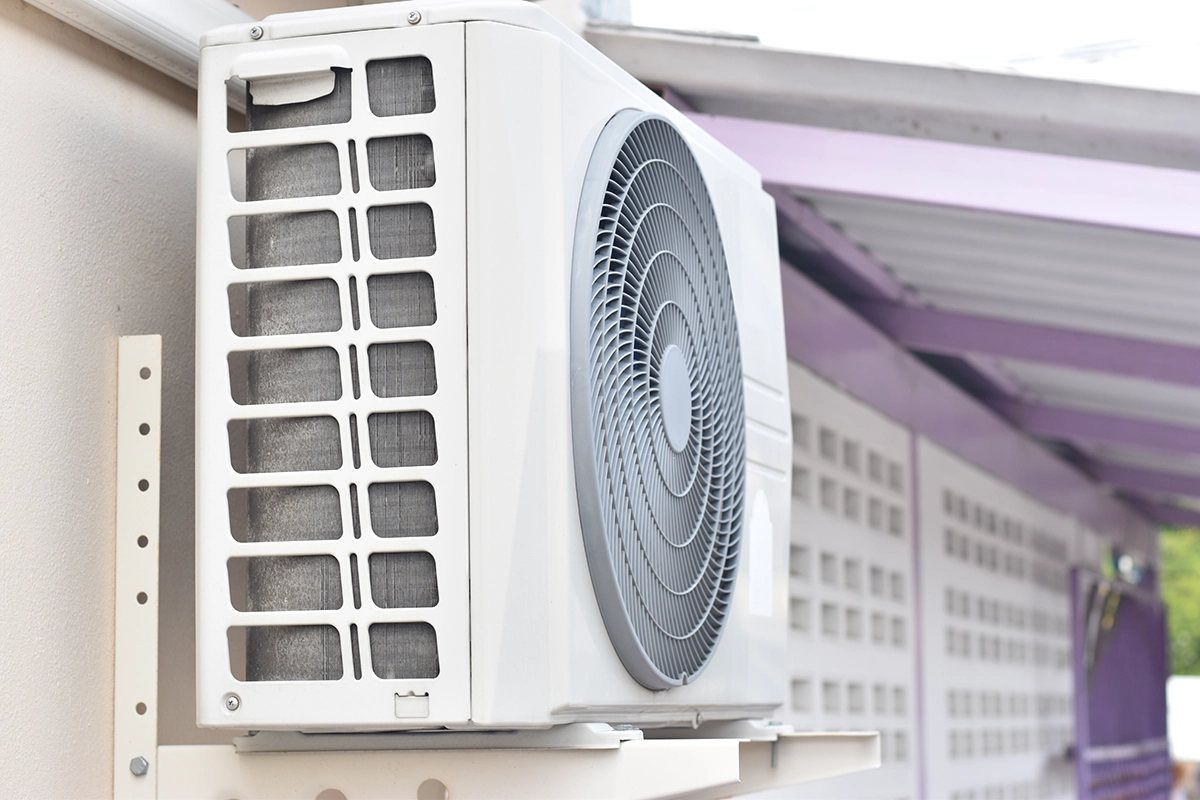
If you’re weighing the disadvantages of mini split systems before making a heating and cooling decision for your home, you’re already asking the right questions. While mini splits have become increasingly popular for their zone control and energy efficiency, they’re not always the perfect fit for every household or climate. From higher upfront costs and aesthetic concerns to performance challenges during extreme weather, these ductless systems come with trade-offs that deserve careful consideration. We’ve helped countless homeowners evaluate whether a mini split truly matches their comfort needs and budget. Therefore, we understand the common pitfalls and hidden drawbacks that don’t always appear in sales brochures. In this guide, we’ll walk you through the real-world limitations of mini split systems so you can make an informed choice that keeps your home comfortable year-round.
Are Mini Splits Right for Every Home?
Mini split systems have surged in popularity across Haysville, KS, and for good reason. They offer efficient zone control, easy installation without ductwork, and quiet operation. We’ve installed hundreds of these systems for homeowners who want targeted heating and cooling in additions, garages, or specific rooms. However, before you commit to a mini split, it’s important to understand that no HVAC solution is universally perfect for every home or lifestyle.
The Department of Energy notes that while ductless systems provide flexible solutions for room additions and smaller spaces, they require proper sizing and placement to overcome their inherent challenges.
While mini splits excel in many applications, they do come with limitations. These can affect comfort, air quality, and long-term satisfaction. According to Carrier, mini splits recirculate indoor air within specific rooms. This means they don’t integrate fresh outdoor air the way traditional ducted systems do. For families concerned about ventilation, indoor air quality, or whole-home climate consistency, these trade-offs matter. We’ve worked with homeowners who installed mini splits only to discover they didn’t address their unique comfort needs. These situations could have been avoided with a professional assessment upfront.
At Premier Comfort Solutions, we believe in matching the right system to your home’s layout. We also consider your family’s comfort goals and your budget. Let’s explore the disadvantages of mini split systems so you can make an informed decision with confidence.
Common Disadvantages of Mini Split Systems
While mini split systems offer flexibility and efficiency, we always want homeowners in Haysville to understand the full picture before making an investment. The upfront cost is typically higher than traditional HVAC options. Professional installation requires precise refrigerant line work, electrical upgrades, and mounting multiple indoor units. This adds to initial expenses. When we evaluate a property for mini split installation, we look at load calculations, electrical capacity, and optimal placement. This ensures the system will perform as expected.
Aesthetic concerns also rank high among homeowner feedback. Indoor wall units are visible in every room they serve. Some homeowners feel they detract from décor or compete for wall space. Additionally, maintenance requirements differ from central systems. According to Pioneer Valley, each indoor unit requires individual servicing, making upkeep more time-intensive. We’ve seen systems underperform simply because filters weren’t cleaned regularly across all zones. Sometimes condensate drains became clogged in one unit while others operated normally.
If you’re weighing the trade-offs or noticing performance issues with an existing mini split, we can help. We’ll assess your setup, explain your options clearly, and help you make the best decision for your home’s comfort and budget.
Installation Challenges Homeowners Face
We often hear from homeowners in Haysville who assume mini split installation is straightforward. But the reality is far more complex. According to Reliable Heating & Air, initial installation costs run higher than central air systems. That premium reflects the specialized expertise required. Each installation demands precise refrigerant line work and carefully calculated electrical capacity. It also requires structural evaluation for mounting brackets and meticulous attention to drainage routing. A single miscalculation during the installation process can lead to refrigerant leaks, reduced efficiency, or complete system failure within months.
The location of both indoor and outdoor units requires careful planning. This balances aesthetic preferences with technical requirements. Our certified technicians evaluate load calculations and inspect electrical panels for adequate amperage. We also assess exterior walls for proper clearances and structural integrity. We’ve responded to countless service calls where improper installations resulted in vibration damage, condensate flooding, or units that never reached manufacturer-rated efficiency. Professional installation isn’t just about mounting equipment. It’s about protecting your investment and ensuring safe, reliable operation for years to come. If you’re considering a mini split system, contact us for a thorough site assessment and expert installation that’s done right the first time.
Performance Issues in Extreme Weather
While ductless mini split systems offer excellent efficiency under most conditions, they can face significant performance limitations during Kansas’s weather extremes. When temperatures drop well below freezing in winter or climb above 100°F during our intense summer heat waves, an improperly sized mini split may struggle. You might notice it can’t maintain comfortable indoor temperatures. Signs include longer run times, reduced heating or cooling output, or ice buildup on the outdoor unit during particularly cold snaps. All of these indicate your system is working beyond its capacity.
The challenge intensifies when a system hasn’t been properly matched to your home’s heating and cooling load. A unit that’s undersized for your square footage will run continuously during extreme weather. This drives up energy costs while failing to reach your thermostat setting. We frequently encounter homeowners in Haysville who discover these performance gaps only after experiencing their first harsh winter or brutal summer with a new mini split installation.
If you’re noticing your mini split can’t keep up when temperatures hit their extremes, our licensed technicians can help. We’ll perform a comprehensive heat load calculation and system evaluation. We’ll determine whether your current equipment is properly sized or if supplemental heating and cooling solutions are needed to maintain year-round comfort.
Hidden Disadvantages of Mini Split Systems
Beyond the upfront cost and aesthetic concerns, mini split systems bring several less obvious challenges. Many Haysville homeowners discover these only after installation. Condensate drainage issues rank among the most common problems. When drain lines clog or freeze, water can back up into the indoor unit or leak onto walls and floors. This causes moisture damage that worsens quickly. We’ve responded to numerous service calls where homeowners noticed strange gurgling sounds or water stains. These pointed directly to drainage problems requiring professional attention.
Operational noise is another frequent complaint. While manufacturers advertise whisper-quiet performance, the indoor units can produce unexpected sounds. Clicking, whistling, or humming noises may occur as components age or when refrigerant flow becomes irregular. Filter maintenance also catches homeowners off guard. These systems require regular cleaning in most cases. Neglecting this task reduces efficiency and indoor air quality rapidly.
Perhaps most frustrating is zoning complexity. When multiple indoor units serve different rooms, balancing temperatures becomes tricky. Diagnosing which unit or control is malfunctioning requires specialized diagnostic equipment. If you’re experiencing any of these hidden disadvantages, our technicians can perform a thorough system evaluation and recommend the right corrective measures.
When to Call a Professional for System Evaluation
Not every home in Haysville is an ideal candidate for a mini split system. That’s where professional guidance becomes invaluable. Before you invest in any heating and cooling solution, we encourage you to schedule a comprehensive home assessment with our licensed technicians. We’ll evaluate your home’s insulation, existing ductwork condition, room layout, and electrical capacity. We’ll also assess your family’s specific comfort needs to determine whether a mini split—or another HVAC solution—will deliver the performance and efficiency you deserve.
If you’re experiencing uneven temperatures, rising energy bills, or your current system is approaching the end of its lifespan, now is the perfect time to explore your options. We’ll walk you through the advantages and disadvantages of mini split systems as they relate to your unique situation. Our recommendations are honest and based on decades of experience. We’ll also discuss installation requirements, long-term maintenance expectations, and total cost considerations. This helps you make a confident, informed decision. Contact us today to schedule your no-obligation evaluation and discover the right comfort solution for your home.
Frequently Asked Questions
What are the main disadvantages of mini split systems?
The primary disadvantages include higher upfront installation costs compared to central air. Other issues involve visible indoor wall units that affect room aesthetics. Individual maintenance requirements for each zone also present challenges. Performance limitations during extreme weather and potential condensate drainage issues are additional concerns. We help Haysville homeowners evaluate whether these trade-offs align with their comfort goals and budget before making an investment decision.
Do mini splits work well in Kansas winters?
Mini splits can struggle during Kansas’s coldest winter temperatures, especially when improperly sized for your home’s heating load. You may notice reduced heat output, longer run times, or ice buildup on the outdoor unit during extreme cold snaps. Our certified technicians perform comprehensive heat load calculations. This ensures your system can maintain comfortable temperatures year-round, even during harsh winter weather conditions.
Why is my mini split so expensive to install?
Installation costs run higher because the process requires specialized refrigerant line work. It also demands precise electrical capacity upgrades, structural mounting evaluations, and careful drainage routing for each indoor unit. Professional installation protects against refrigerant leaks or complete system failure that can occur from improper installation. We ensure proper installation through meticulous load calculations and professional-grade equipment. Our certified expertise protects your investment long-term.
How often do mini split filters need cleaning?
Most mini split systems require regular filter cleaning to maintain efficiency and indoor air quality. However, frequency depends on usage and environmental conditions. Each indoor unit has its own filter that needs individual attention. This makes maintenance more time-intensive than central systems. Neglecting regular cleaning reduces performance quickly and can lead to airflow problems. Our maintenance plans ensure every zone receives proper care consistently.