

Your garage shouldn’t be a place you avoid during the hottest months of the year. If you’re tired of working on projects, storing temperature-sensitive items, or simply stepping into a sweltering space, then a garage air conditioner might be the perfect solution. Many homeowners in Haysville don’t realize that cooling their garage is not only possible but also increasingly affordable and energy-efficient. At Premier Comfort Solutions, we help local homeowners transform their garages into comfortable, usable spaces year-round. In fact, we provide professional cooling solutions tailored to your specific needs.
Why Consider Cooling Your Garage?
Garages serve many purposes beyond parking vehicles. You might use yours as a workshop, home gym, storage area, or hobby space. However, summer temperatures can make these spaces unbearable without proper climate control. Additionally, extreme heat can damage the items you store there.
Paint, electronics, tools, and even vehicles can suffer from extreme heat exposure. Moreover, an unconditioned garage can affect the temperature of adjacent rooms in your home. Many garages share walls with living spaces, so the heat radiates through those barriers. As a result, this forces your home’s HVAC system to work harder.
That’s why having a professional install a cooling system in your garage can actually improve overall energy efficiency. Plus, it expands your home’s usable square footage.
Types of Garage Air Conditioner Systems
Not all cooling solutions work equally well for every garage. The right choice depends on your garage’s size, insulation, electrical capacity, and how you use the space. Let’s explore the most common options we’ll help you evaluate.
Ductless Mini-Split Systems
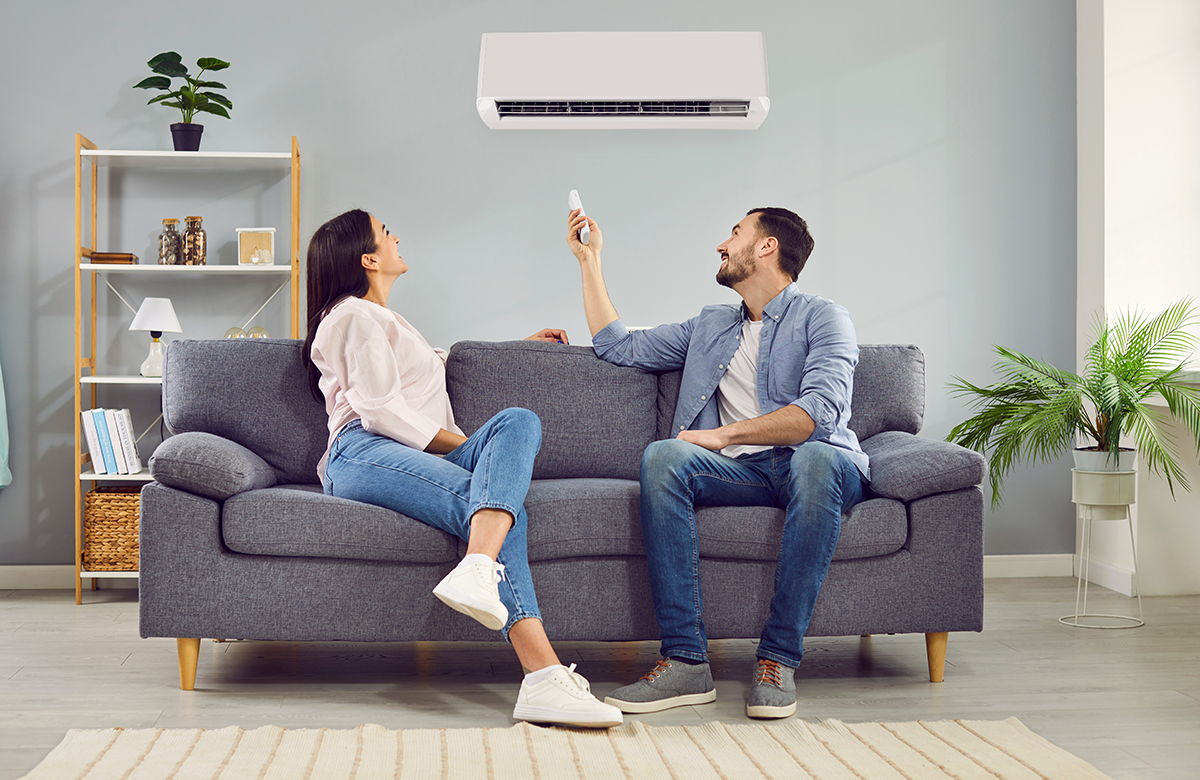
Ductless mini-split systems have become increasingly popular for garage cooling because they’re efficient. In addition, they don’t require extensive ductwork. These systems consist of an outdoor compressor unit and one or more indoor air handlers mounted on the wall. We’ve installed countless mini-splits in Haysville garages. Homeowners appreciate their zone control capabilities and energy efficiency.
Mini-splits offer both heating and cooling, which means your garage stays comfortable year-round. Our certified technicians will connect the indoor and outdoor components through a small opening in the wall. This ensures proper refrigerant lines and electrical connections. Plus, many models come with remote controls and programmable thermostats for convenient temperature management.
Window Air Conditioning Units
For smaller garages or budget-conscious homeowners, window units can provide adequate cooling. These self-contained systems fit into a window opening or through-wall sleeve. They’re generally the most affordable option upfront. However, they’re typically less efficient than mini-splits and may struggle to cool larger spaces effectively.
Keep in mind that garage air conditioner window units require professional installation. This prevents air leaks and security issues. Our technicians can assess whether your garage has suitable window openings and adequate electrical support for the unit you’re considering. Then we ensure it’s properly installed and sealed.
Portable Air Conditioners
Portable units offer flexibility since you can move them between spaces as needed. They vent hot air through a hose that typically extends through a window or small wall opening. While convenient, portable air conditioners are generally the least efficient option. They work best only in smaller garages or for occasional use.
Extension of Your Home’s Central HVAC System
In some cases, extending your existing central air conditioning system to include the garage makes sense. This approach works well if your current system has sufficient capacity and your garage is well-insulated. However, this isn’t always feasible since many garages aren’t built to the same insulation standards as living spaces. Additionally, extending ductwork requires professional assessment and installation.
Important Factors Before Installing a Garage Cooling System
Before we install any cooling system, there are several critical factors our technicians evaluate. This ensures optimal performance and efficiency. Rushing into an installation without addressing these fundamentals often leads to disappointing results and wasted energy.
Insulation Requirements
Most garages aren’t insulated like the rest of your home. In fact, many have little to no insulation in the walls or ceiling. Without proper insulation, even the most powerful air conditioning unit will struggle to maintain comfortable temperatures. This drives up your energy bills considerably.
Our team will evaluate your garage’s current insulation before recommending a cooling solution. We can advise on whether insulation upgrades to walls, the ceiling, and especially the garage door would improve any cooling system’s effectiveness. The investment in insulation often pays for itself through reduced energy costs over time.
Electrical Capacity
Air conditioning units require dedicated electrical circuits with adequate amperage. Many garages have limited electrical service that won’t support a cooling system without upgrades. Our technicians assess your electrical panel and garage wiring to determine if upgrades are necessary before installation.
This is especially important because operating a garage air conditioner on an insufficient circuit creates safety hazards. It can also damage the equipment. A licensed electrician may need to install a new circuit or upgrade your panel before we can proceed with the AC installation.
Air Sealing
Garages typically have more air leaks than other parts of your home. Gaps around the garage door, service doors, windows, and wall openings allow conditioned air to escape. Hot outdoor air enters through these same gaps. Before investing in a cooling system, a professional should identify and address these gaps to maximize efficiency.
Even small gaps can significantly impact your system’s performance. That’s why we often recommend addressing weatherstripping, door sweeps, and other sealing measures as part of the overall project. Once we properly seal everything, your air conditioning system won’t have to work nearly as hard to maintain comfortable temperatures.
Sizing Your Garage Air Conditioner Correctly
One of the most common mistakes homeowners make is choosing a cooling system that’s either too large or too small for their space. An undersized unit will run constantly without adequately cooling the garage. Meanwhile, an oversized unit will cycle on and off too frequently, wasting energy and failing to control humidity properly.
Professional load calculations take into account your garage’s square footage, ceiling height, insulation levels, and number of windows. We also consider exposure to direct sunlight and typical heat-generating equipment you use. At Premier Comfort Solutions, we perform detailed assessments to determine the exact cooling capacity your space requires. These calculations ensure your new system operates efficiently and effectively without unnecessary energy waste.
Professional Installation Makes the Difference
Professional installation offers significant advantages for garage cooling systems. Our certified technicians have the expertise, tools, and licensing required to install systems safely. They work in compliance with local building codes and manufacturer specifications.
Professional installation also preserves your equipment warranty. Most manufacturers require professional installation by licensed HVAC technicians to keep warranties valid. Additionally, properly installed systems operate more efficiently, last longer, and require fewer repairs over their lifespan. The upfront investment in professional installation typically saves money in the long run through better performance and fewer problems.
Maintaining Your Garage Cooling System
Like any HVAC equipment, air conditioners for garages require regular maintenance to operate efficiently and reliably. Neglecting routine care leads to reduced performance, higher energy bills, and early equipment failure. Fortunately, keeping your system in top shape is straightforward when you partner with experienced professionals.
We recommend annual maintenance visits where our technicians clean components and check refrigerant levels. They also inspect electrical connections and test system performance. We’ll ensure all components are working optimally and identify any potential issues before they become major problems. Since garages often generate more dust and debris than living spaces, professional filter inspection and guidance on maintenance schedules is especially important.
Energy Efficiency Considerations
Running a garage air conditioner doesn’t have to result in sky-high energy bills. You need to choose efficient equipment and use it wisely. Modern mini-split systems often feature impressive SEER (Seasonal Energy Efficiency Ratio) ratings. These significantly reduce operating costs compared to older technology.
Smart usage habits also make a substantial difference. Only cool your garage when you’re actually using it. Use a programmable thermostat to avoid wasting energy when the space is empty. Setting the temperature a few degrees higher than you might in your home’s living areas still provides comfort while reducing energy consumption. Remember, every degree you raise the thermostat saves approximately 3-5% on cooling costs.
When to Call Premier Comfort Solutions
If you’re ready to transform your garage into a comfortable, year-round space, we’re here to help. Our team evaluates your specific situation, discusses your needs and budget, and recommends the most appropriate cooling solution for your Haysville home. We handle everything from initial assessment through professional installation and ongoing maintenance.
Whether you need a powerful mini-split system for a large workshop or a more modest solution for occasional use, we provide honest recommendations. These are based on what will truly work best for your situation. We never push unnecessary upgrades or equipment that exceeds your actual requirements. Instead, we focus on delivering reliable, efficient solutions that meet your needs without breaking your budget.
Don’t let another summer pass while avoiding your garage due to uncomfortable heat. Contact Premier Comfort Solutions today to discuss your garage cooling options and schedule a consultation. We’ll help you choose the perfect system and ensure it’s installed correctly for years of reliable, efficient performance.
Frequently Asked Questions
What size air conditioner do I need for a two-car garage?
A typical two-car garage (approximately 400-600 square feet) usually requires a 12,000 to 18,000 BTU air conditioner. This depends on insulation levels, ceiling height, and climate. However, proper load calculation by a professional is essential since variables significantly affect sizing requirements. For instance, sun exposure, garage door insulation, and local climate all play a role. Our technicians perform detailed assessments to determine the exact capacity your specific garage needs.
Can I use a regular air conditioner in my garage?
Yes, residential air conditioning systems work in garages. These include mini-splits, window units, or portable air conditioners. The key is having a professional assess appropriate sizing for the space. You also need adequate electrical service and insulation. However, garages often require different considerations than living spaces. This is due to lower insulation levels, larger air leaks, and different usage patterns that affect system selection and performance.
How much does it cost to install air conditioning in a garage?
Installation costs vary widely based on the system type, garage size, and required electrical or insulation upgrades. Window units may cost $300-$800 installed, while ductless mini-split systems typically range from $2,000-$5,000 including installation. Extending existing ductwork can cost $3,000-$7,000 or more. We provide detailed estimates after evaluating your specific situation, electrical capacity, and insulation needs.
Will cooling my garage lower my home’s energy bills?
If your garage shares walls with conditioned living spaces, cooling it can actually reduce your home’s overall energy consumption. An uncooled garage next to your home radiates heat through shared walls. This forces your home’s HVAC system to work harder. However, the garage cooling system itself consumes energy. Therefore, net savings depend on insulation quality, system efficiency, and usage patterns.