

Heat Pump Running All Day? What’s Normal and When to Call for Heating Repair in Wichita, KS
If you’ve ever glanced at your thermostat and wondered, “Why is my heat pump still running?”, you’re not alone. It’s one of the most common questions we hear from homeowners around Haysville and Wichita. The honest answer is that it depends on the weather, and a heat pump that runs a lot is often doing exactly what it was built to do.
So, How Many Hours a Day Should a Heat Pump Run?
On a mild Kansas day, your heat pump might run only 8 to 12 hours, cycling on and off as the house needs it. When it’s 100°F in July or well below freezing in January, it can run 18 to 24 hours a day, and that’s normal.
A heat pump is designed for longer, steadier cycles instead of short, loud bursts. Those long cycles keep your home evenly comfortable and your energy bills in check. A system that constantly switches on and off is usually the bigger red flag.
Why Long Run Times Aren’t Automatically a Problem
Many homeowners assume that if the system runs all day, something must be broken. That’s one of the most common myths we hear. What matters is whether the house is comfortable and whether anything has changed. Ask yourself:
- Is the house reaching the temperature you set?
- Has there been a new noise, smell, or vibration?
- Has your electric bill jumped without a change in weather or habits?
- Are some rooms suddenly hotter or colder than others?
If the answers are “yes, no, no, no,” your heat pump is probably just working hard on a hard weather day.
What Makes Kansas Different
Generic advice from another state doesn’t always fit here. Around Haysville and Wichita, both the weather and the homes change how long a heat pump runs.
Hot, Sticky Summers
We get long stretches of 100°F days and humid nights when the system barely gets a break. Running most of the day during a heat wave is normal, not a sign of trouble.
Fast Winter Swings
Winter can go from a mild afternoon to a hard cold snap or an ice storm within a few days. When temperatures drop that quickly, your heat pump has to run much longer to keep up. That’s often when homeowners see it going for hours and start to worry.
Dust, Wind, and Cottonwood Fluff
Between wheat-field dust, spring cottonwood fluff, and grass clippings, outdoor units and filters clog faster than most people expect. A clogged system has to run longer to do the same job.
Older Ranch-Style Homes
Many homes in our area are older ranch-style houses with thin attic insulation, leaky ductwork running through hot attics or crawlspaces, and drafty windows. Even a great system has to run longer when the house can’t hold on to the comfort it makes. A system sized for the “average” day can also feel overworked in the middle of July or January.
Common Reasons Your Heat Pump Runs Too Much
When a homeowner tells us their system is running more than it should, the cause is usually simple. Before anyone thinks about replacing equipment, we look at these first:
- A dirty air filter
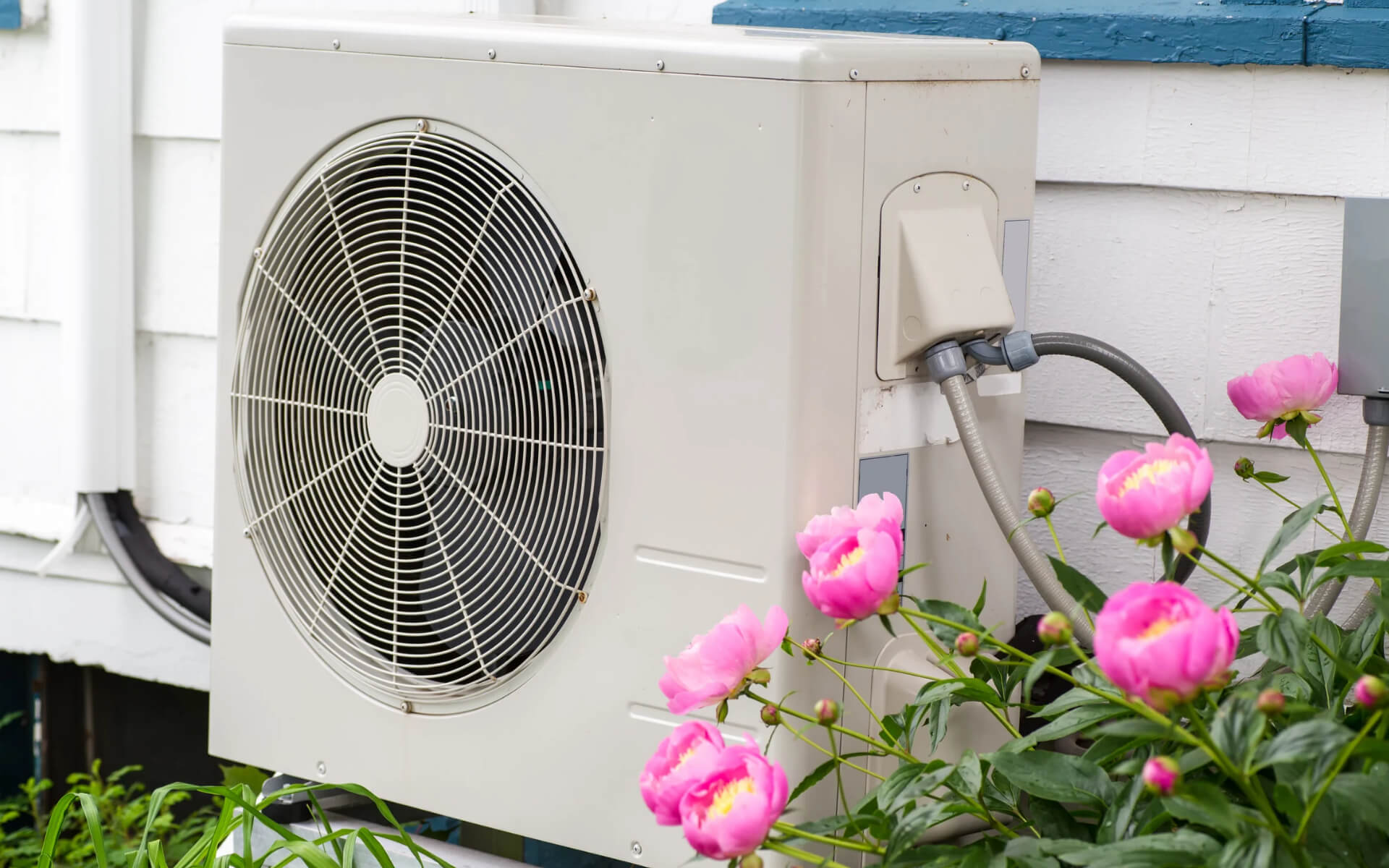
- An outdoor unit blocked by leaves, grass clippings, or cottonwood fluff
- A thermostat set a few degrees too aggressively
- Leaky ductwork
- Thin attic insulation
- A system that is the wrong size for the home
- A system that hasn’t been serviced in years
Often the fix is a clean filter, a cleared outdoor unit, or better insulation. The first question I ask is what the weather and the house are doing.
The Biggest Mistakes Homeowners Make
In my opinion, the biggest mistake is treating the heat pump like something you only think about when it breaks. A dirty filter, a clogged outdoor unit, or a system that hasn’t been checked in years makes it work harder. Most people don’t notice until a hot July afternoon or a freezing January night, which is when repairs are the most urgent and the most expensive.
Cranking the Thermostat
The second habit is setting the thermostat way up or way down to heat or cool the house faster. A heat pump doesn’t work like a furnace. Big temperature swings don’t speed anything up. They just make the system run longer and cost you more.
Believing Heat Pumps Don’t Work in Cold Weather
Another myth is that heat pumps can’t handle Kansas winters. Modern heat pumps do just fine when they’re properly maintained and sized right. Don’t let a neighbor’s opinion or a random online video talk you out of a system that suits your home.
Warning Signs It’s Time to Call a Technician
Trust your instincts. If something feels off, don’t wait for it to get worse.
What’s Normal
A little frost on the outdoor unit on a cold morning is normal. Heat pumps have a defrost cycle, so some frost and a bit of steam are nothing to worry about.
What Needs Attention
Call a technician if you notice any of the following:
- Thick ice covering the outdoor unit, or ice that is still there in the afternoon
- Grinding, squealing, or banging noises
- A burning smell
- A breaker that keeps tripping
- A system that runs and runs but can’t reach the thermostat setting
- Lukewarm or cool air from the vents in winter
- Rooms that are suddenly uneven
- An electric bill that jumps with no change in weather or habits
If you notice grinding, banging, a burning smell, or a tripping breaker, turn the system off and call right away. Those signs can point to a failing motor, a bad capacitor, or an electrical problem.
A Simple Rule of Thumb
Change the filter and clear the area around the outdoor unit. If it still isn’t right after a day or so, give a trusted technician a call. These problems usually start small, like low refrigerant, a dirty coil, or a failing part, and small problems cost far less to fix than big ones. Quick heating repair in Wichita, KS, is almost always cheaper than waiting for a breakdown in a January cold snap.
How to Help Your Heat Pump Run Fewer Hours
If you can do only one thing this year, schedule a proper tune-up with a qualified technician. A good tune-up includes:
- Cleaning the coils
- Checking refrigerant levels
- Checking airflow
- Inspecting the ductwork
If you live in an older Kansas ranch-style home, ask about sealing leaky ducts and adding attic insulation during the same visit. A system that breathes easily and isn’t losing comfort through the walls and ducts simply doesn’t have to run as long.
Free Things You Can Do Today
If you can’t schedule a tune-up right now, these two habits come close:
- Change your air filter every month or two
- Keep the outdoor unit clear of grass, leaves, and cottonwood fluff
Keep Your Thermostat Steady
Pick a comfortable temperature and leave it there. Small adjustments are fine. Large swings only make the system work harder and your bills climb.
When in Doubt, Get a Quick Check
A heat pump running a lot is not automatically a problem. It’s built for long, steady cycles. What matters is whether your home is comfortable and whether anything has changed. A yearly tune-up, regular filter changes, and a call at the first sign something feels off will almost always save you money and stress.
We’d much rather help you early than rush out for an emergency. If your system is running nonstop and your home still isn’t comfortable, or your bills have suddenly jumped, contact Premier Comfort Solutions in Haysville. Whether you need a tune-up or heating repair in Wichita, KS, and the surrounding area, we’re here to help you stay comfortable all year long.