

When your air conditioning system stops cooling on a sweltering summer day, there’s a good chance the problem involves your HVAC compressor. This vital component serves as the heart of your cooling system. When it fails, your entire home comfort can be compromised. At Premier Comfort Solutions, we’ve diagnosed and resolved countless compressor issues for homeowners throughout Haysville, KS. We understand just how stressful it can be when this essential part stops working. Because the compressor plays such a critical role in your system’s operation, understanding what it does matters. Recognizing the warning signs of failure can also help you address problems before they leave you sweating through a Kansas heatwave.
What Does an HVAC Compressor Actually Do?
The compressor is often called the heart of your air conditioning system. That comparison is remarkably accurate. This powerful component pumps refrigerant through your entire cooling system, creating the pressure changes necessary to absorb heat from inside your home and release it outdoors. Without a functioning compressor, your AC system simply cannot move heat. This means it cannot cool your home no matter how hard the other components try to work.
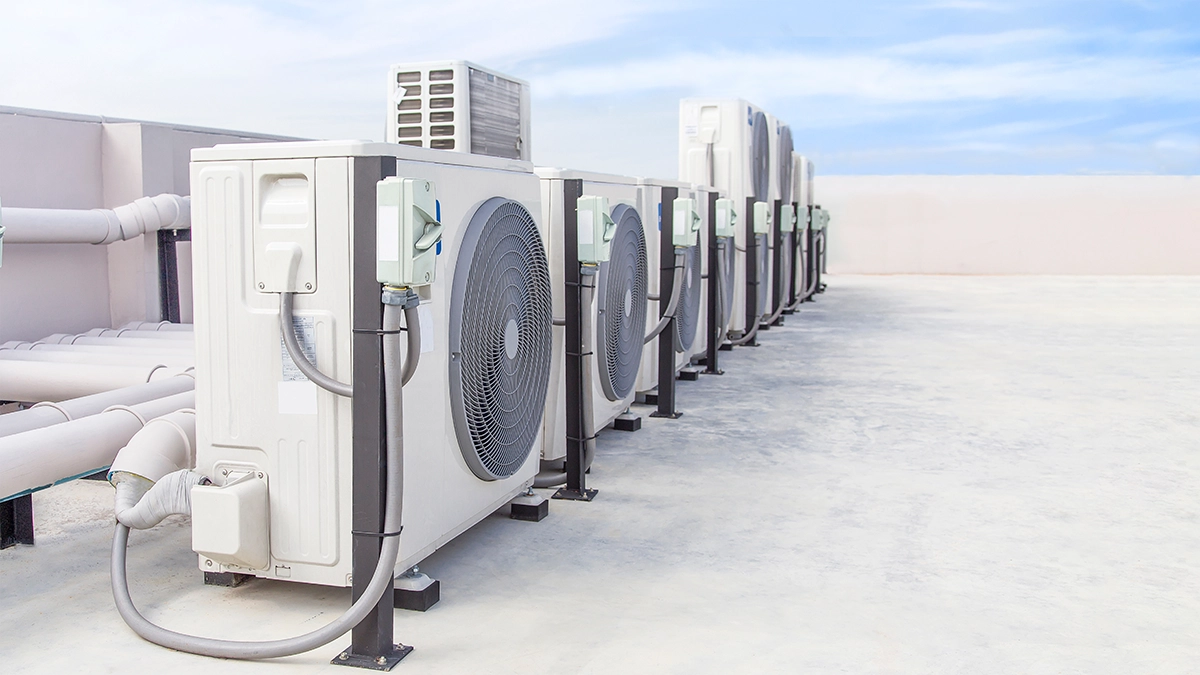
Inside the outdoor condensing unit, the compressor takes in low-pressure refrigerant gas from your indoor evaporator coil. Then it compresses this gas into a high-pressure, high-temperature state before sending it to the condenser coils. This compression process is what makes the entire refrigeration cycle possible. Once the refrigerant releases its heat outside and converts back to a liquid, it travels back indoors to absorb more heat. The cycle continues. That’s why a failed compressor brings the entire cooling process to a halt.
Common Signs Your Compressor Is Failing
Recognizing the warning signs of compressor trouble can help you call for professional service before a minor issue becomes a complete system failure. Homeowners who catch these symptoms early often save significantly on repair costs.
Strange Noises From Your Outdoor Unit
A healthy compressor runs with a steady hum. However, a failing one often announces its distress with unusual sounds. You might hear grinding, rattling, clicking, or even a hard-starting sound where the unit struggles to turn on. These noises typically indicate internal mechanical problems, electrical issues, or worn components. Never ignore these sounds, because they usually get worse over time. While loud or strange noises don’t always mean you need a replacement, they definitely warrant immediate inspection by a licensed HVAC professional.
Your AC Runs But Doesn’t Cool
When your system runs continuously but fails to lower the temperature inside your home, the compressor may not be circulating refrigerant properly. This symptom can also indicate other issues like low refrigerant levels, a faulty thermostat, or airflow problems. Still, especially during peak cooling season, this is one of the most common signs when a compressor is beginning to fail. A licensed technician can measure the pressure in your system to determine whether the compressor is actually doing its job.
The Outdoor Unit Won’t Start
If your outdoor condensing unit refuses to turn on at all, the compressor might have seized. Alternatively, the electrical components that power it may have failed. Sometimes the unit tries to start but immediately shuts off again. This condition is called “short cycling.” Either way, this typically points to serious compressor problems or electrical faults that prevent the compressor from running. These situations require professional diagnosis, since multiple factors could cause similar symptoms.
Circuit Breaker Trips Repeatedly
A compressor drawing too much electrical current will trip your circuit breaker as a safety measure. This often happens when internal components have worn out or when the compressor is working against unusual resistance. While a breaker might trip occasionally for various reasons, repeated tripping when your AC tries to start strongly suggests a compressor problem. Never simply keep resetting the breaker. This electrical issue could pose a fire hazard or cause additional damage to your system.
What Causes HVAC Compressor Failure?
Understanding why compressors fail can help you prevent premature breakdowns and extend the life of your cooling system. Many compressor failures are preventable with proper maintenance and care.
Lack of Regular Maintenance
Skipping annual tune-ups is one of the biggest contributors to early compressor failure. During professional maintenance, your Premier Comfort Solutions technician checks refrigerant levels, cleans coils, lubricates moving parts, and verifies electrical connections. These tasks prevent many of the conditions that stress and eventually destroy compressors.
A dirty condenser coil, for instance, makes your compressor work much harder than it should. This generates excessive heat and wear that shortens its lifespan considerably.
Refrigerant Issues
Both low and overcharged refrigerant levels can destroy a compressor. When refrigerant runs low due to a leak, the compressor doesn’t receive enough liquid refrigerant to stay properly cooled. This causes it to overheat. On the other hand, too much refrigerant creates excessive pressure that the compressor must work against. Either situation puts tremendous strain on this expensive component. That’s why refrigerant should only be handled by licensed professionals who can identify leaks, make proper repairs, and charge the system to manufacturer specifications.
Electrical Problems
Power surges, voltage fluctuations, and faulty electrical components can all damage a compressor’s motor and windings. The high-voltage electrical current required to run a compressor makes it particularly vulnerable to electrical issues. Loose connections, corroded wires, or failing capacitors can cause the compressor to receive inconsistent power. This leads to overheating and eventual burnout.
Contaminants in the System
Dirt, moisture, and acids that enter your refrigeration system can cause internal damage to the compressor. These contaminants typically enter during improper repairs or installations. They can also enter when a system develops a leak. Once inside, they circulate through the compressor and scratch or corrode its precision-machined internal components. This is another reason why professional service is so important. Licensed technicians follow proper procedures to keep your system clean and dry.
Repair or Replace: Making the Right Decision
When faced with a failed compressor, homeowners must decide between repairing the unit or replacing the entire system. This decision depends on several important factors.
The age of your system matters significantly. If your air conditioner is more than ten years old and the compressor fails, replacement often makes more financial sense than repair. Compressor replacement is expensive—sometimes costing nearly as much as a new system. An older system will likely develop other problems soon anyway. Plus, newer systems offer substantially better energy efficiency. This means lower utility bills that help offset the replacement cost over time.
If your system is relatively new and still under warranty, compressor replacement might be the smart choice. Many manufacturers provide extended warranties on compressors specifically because they’re so expensive. When warranty coverage applies, you might only pay for labor, making repair the obvious choice. A newer system’s other components should have plenty of life remaining. Therefore, you’ll get many more years of reliable service after the compressor is replaced.
At Premier Comfort Solutions, we provide honest assessments that consider your system’s age, warranty status, overall condition, and your budget. We’ll never push you toward an unnecessary replacement. However, we’ll also be upfront when replacement offers better long-term value than repair. Our goal is helping you make the decision that’s truly best for your home and your wallet.
Protecting Your Investment With Preventive Maintenance
The best way to avoid compressor problems is through consistent preventive care. Annual maintenance visits include thorough inspections and cleaning that keep your compressor running smoothly. During these visits, your Premier Comfort Solutions professional measures refrigerant levels, tests electrical components, cleans condenser coils, and checks for any warning signs that might indicate developing problems. Catching minor issues early prevents them from escalating into expensive compressor failures.
Between professional visits, recognize when your system needs attention. Monitor the area around your outdoor unit for debris, leaves, and vegetation that might restrict airflow. Pay attention to how frequently your indoor air filter needs changing—typically every one to three months depending on your household. A clogged filter forces your entire system to work harder. Also, if you notice anything unusual like strange sounds or reduced cooling, contact a licensed professional right away rather than waiting. Early intervention often prevents minor problems from destroying your compressor.
Trust Premier Comfort Solutions for Compressor Issues
Dealing with compressor problems requires specialized knowledge, proper tools, and extensive experience. Our licensed technicians have diagnosed and resolved countless compressor issues throughout Haysville. We stay current with the latest diagnostic techniques and repair procedures. We use professional-grade equipment to accurately test your system and identify the root cause of any cooling problems you’re experiencing.
When you contact Premier Comfort Solutions, you’re choosing a company that treats your home with the same care we’d give our own. We arrive on time, explain what we find in clear terms you can understand, and provide honest recommendations without pressure. Whether your compressor needs repair or your system would benefit from replacement, we’ll guide you through every option and answer all your questions. Your comfort matters to us. We’re committed to delivering solutions that keep your home cool and comfortable all summer long.
Frequently Asked Questions
How much does it cost to replace an HVAC compressor?
Compressor replacement typically costs between $1,500 and $3,000 depending on your system size, compressor type, and whether warranty coverage applies. Labor, refrigerant, and related parts contribute to the total cost. Since this represents a significant expense, many homeowners with older systems choose full system replacement instead. This offers better long-term value and improved efficiency.
How long does an AC compressor usually last?
A well-maintained AC compressor typically lasts 12 to 15 years, though some last longer with excellent care. Regular professional maintenance, clean coils, proper refrigerant levels, and prompt repairs significantly extend compressor life. Systems that receive annual tune-ups and run in clean environments generally outlast neglected units by several years. This makes maintenance a worthwhile investment.
Can I run my AC with a bad compressor?
No, you should never run your AC with a failing compressor. Continuing to operate a damaged compressor can cause additional system damage, increase repair costs, and create electrical hazards. A bad compressor won’t cool your home anyway, so running the system wastes energy while potentially damaging other expensive components. Contact a licensed professional immediately when you suspect compressor problems.
What’s the difference between a compressor and a condenser?
The compressor is the pump inside your outdoor unit that circulates and pressurizes refrigerant throughout your system. The condenser refers to the entire outdoor cabinet containing the compressor, condenser coils, and fan. Sometimes people use “condenser” to mean just the coils that release heat outdoors. Both components work together, but they perform different functions in your cooling system.