

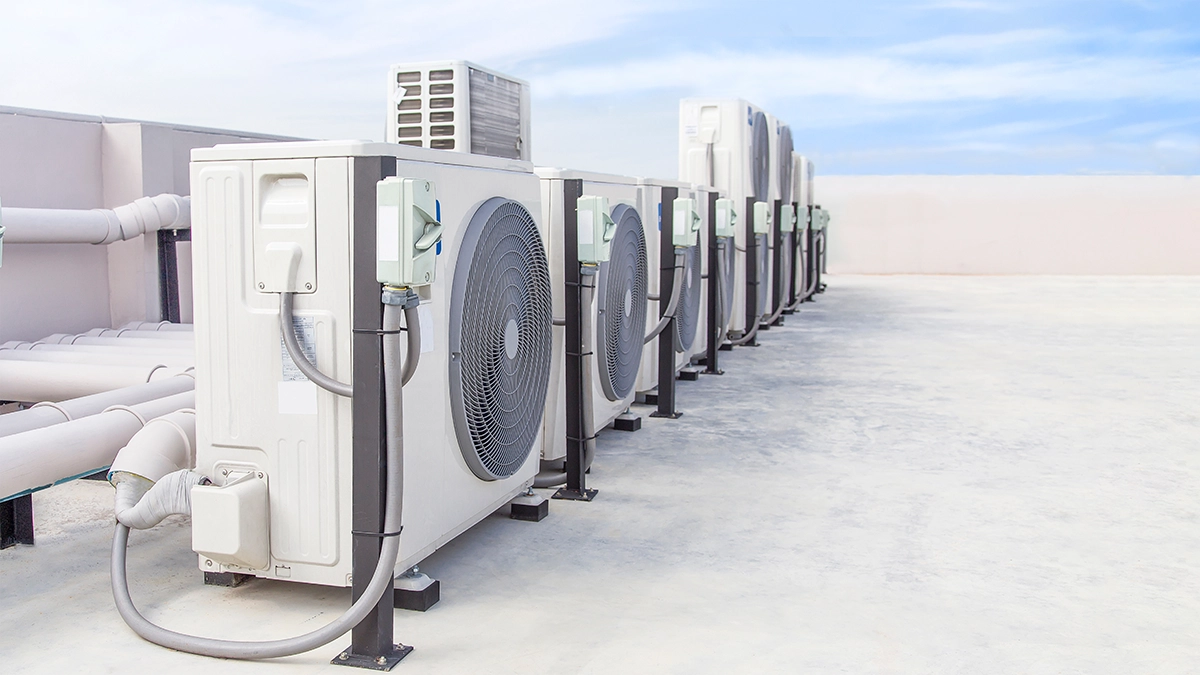
Your HVAC system replacement cost depends on several key factors, including the size and efficiency of the equipment you choose, the complexity of your existing ductwork, and whether any electrical or structural modifications are needed to support the new system. Because every home in Haysville has a unique layout, insulation level, and comfort requirement, we evaluate each project individually before providing a detailed estimate. The type of heating and cooling equipment—whether it’s a traditional split system, a heat pump, or a high-efficiency model—also plays a major role in shaping your investment. Once our team visits your home to assess your current setup and discuss your comfort goals, we’ll walk you through your options and explain exactly what goes into your personalized quote.
Understanding HVAC System Replacement Cost
When your heating and cooling system reaches the end of its service life—typically fifteen to twenty years—you face one of the bigger decisions of homeownership: whether to invest in a full replacement or continue patching an aging system. Several factors shape what you’ll pay for a new installation. Understanding the HVAC system replacement cost helps you plan and recognize when replacement makes more sense than another repair.
The size of the equipment needed for your home is the first major driver. An undersized system runs constantly and never fully heats or cools. An oversized unit cycles on and off too frequently, wasting energy and wearing components prematurely. We perform a detailed load calculation—a room-by-room analysis of your home’s heating and cooling needs—to specify the right tonnage for your air conditioner and the correct BTU output for your furnace. Beyond equipment size, efficiency rating, ductwork condition, refrigerant line placement, electrical upgrades, and installation complexity all influence your final quote.
We walk you through every factor during a consultation. You’ll receive a transparent estimate that accounts for your home’s square footage, existing infrastructure, and energy-efficiency goals. We also offer financing and payment plans to help spread the investment over time. When you’re ready to explore what a new system looks like for your Haysville home, give us a call. We’ll assess your current setup and explain exactly what goes into a reliable, properly sized replacement.
What Drives Your HVAC Replacement Quote
When your heating and cooling system reaches the end of its useful life, understanding what shapes the replacement quote helps you prepare and make informed decisions. Most HVAC systems last fifteen to twenty years. systems approaching that fifteen-year mark can benefit from replacement with modern, high-efficiency models. We assess several key factors during our in-home consultation to develop an accurate, detailed estimate for your new system.
The size of your home and the capacity you need are the foundation of every quote. A system that’s too small will run constantly and struggle to maintain comfort. An oversized unit will cycle on and off too frequently, wasting energy and shortening its lifespan. We perform a load calculation—a technical assessment of your home’s heating and cooling needs based on square footage, insulation, window placement, and airflow—to determine the right tonnage for your space.
The efficiency rating you choose also plays a significant role. Higher-SEER models (Seasonal Energy Efficiency Ratio, which measures cooling output per unit of electricity) reduce your monthly utility bills but carry a higher upfront investment. Beyond the equipment itself, your home’s existing ductwork, electrical service, and indoor air quality needs all influence the scope of the installation.
If your ductwork is leaking, undersized, or poorly routed, we may recommend modifications or sealing to ensure your new system delivers peak performance. Homes that need electrical panel upgrades to support modern variable-speed or two-stage equipment will see that reflected in the estimate as well. Emergency replacements during peak heating or cooling season may carry additional labor considerations compared to scheduled installations during milder weather. Financing and payment plans are available to help you invest in the right system without delay. We’ll walk you through every line item so you understand exactly what you’re getting and why it matters for your comfort and long-term savings.
System Type and Efficiency Considerations
The equipment you select sets the foundation for your home’s comfort and your long-term energy costs. Central air conditioning paired with a gas furnace remains the most common configuration in residential settings. However, heat pumps have become increasingly popular because they move heat rather than generating it from combustion—this approach can yield significant operating cost savings. When we assess your home, we’ll walk you through the advantages and trade-offs of each system type based on your existing ductwork, your heating and cooling load, and the way you use energy throughout the year.
Efficiency ratings—measured by SEER2 for cooling and AFUE for gas furnaces—directly shape both your upfront investment and your monthly utility bills. Higher-efficiency models carry a steeper initial cost because they incorporate variable-speed compressors, advanced heat exchangers, and tighter tolerances in manufacturing. Those features, however, translate to quieter operation, more even temperature control, and measurable savings over the system’s lifespan.
During your consultation, our team can show you exactly how each efficiency tier performs in real-world conditions. We help you weigh the payback period against your budget and how long you plan to stay in the home. Many high-efficiency systems also qualify for federal tax credits for energy-efficient equipment, which can help offset the initial investment. Because every installation is different—depending on attic access, existing line sets, and whether you’re converting from one fuel type to another—we provide a detailed estimate only after completing a thorough on-site evaluation. Call us to schedule your assessment and explore which system type and efficiency level make the most sense for your household.
Installation Complexity and Home-Specific Factors
No two homes are identical, and that reality shapes every replacement project we complete. Your home’s layout, existing ductwork condition, and equipment accessibility directly influence how much labor and materials a full system replacement requires. If your current system sits in a cramped attic with limited headroom, accessing and removing the old equipment takes more time than a wide-open basement install. Homes with steep rooflines or no dedicated mechanical room often require creative maneuvering and additional safety measures, all of which add to the HVAC system replacement cost.
Ductwork condition is another major variable. If your existing ducts are undersized, poorly sealed, or positioned in ways that won’t match the airflow requirements—static pressure, the resistance air meets moving through the system—of a newer, higher-efficiency unit, we may need to modify or replace sections to ensure proper performance. Homes built decades ago often have duct runs that leak conditioned air into unfinished spaces, wasting energy and comfort.
When we assess your home before quoting a replacement, we inspect the entire air distribution network—not just the furnace and air conditioner. A new system paired with compromised ductwork won’t deliver the efficiency or comfort you’re paying for.
Electrical panel capacity and fuel-line routing also matter. Upgrading to a more efficient system sometimes means running new electrical circuits or gas lines, especially if your current infrastructure wasn’t designed for today’s equipment. During our initial inspection, we evaluate all these home-specific factors so your replacement quote reflects the real work needed—not a one-size-fits-all estimate. Call us to schedule an in-home assessment and get a detailed, transparent picture of what your project will involve.
Additional Components That Impact Your Total Investment
When planning for a new HVAC system, the equipment itself represents just part of your overall investment. Several companion upgrades and modifications can significantly influence your HVAC system replacement cost. Understanding these elements helps you make informed decisions about what truly serves your home’s comfort and efficiency goals.
Thermostat selection is often the first add-on to consider. While basic programmable models offer scheduling convenience, smart thermostats provide remote access, learning capabilities, and energy-use reporting that many homeowners in Haysville find valuable for managing seasonal temperature swings. We can walk you through the options that integrate seamlessly with your new system during the replacement process.
Indoor air quality components—whole-home humidifiers, dehumidifiers, UV purification lights, and advanced filtration systems—address concerns beyond temperature control. If anyone in your household experiences allergies or respiratory sensitivity, or if you’ve noticed persistent dust or humidity issues, these upgrades can be installed alongside your new HVAC system. Installing them during replacement is typically more straightforward than retrofitting later.
Ductwork modifications often represent the largest variable beyond the unit itself. If your existing ducts show signs of leakage, poor insulation, or undersizing for the new equipment’s airflow requirements—measured in CFM, or cubic feet per minute—we may recommend sealing, insulating, rerouting sections, or adding return-air pathways. Our technicians assess your duct system during the pre-installation evaluation and explain which modifications will maximize your new system’s performance and longevity. Contact us to schedule a comprehensive assessment and receive a detailed estimate tailored to your home’s specific needs.
How to Choose the Right System for Your Home
Choosing the right HVAC system isn’t about picking the biggest unit or the lowest number on the estimate. It’s about matching the equipment to your home’s specific needs. When we help you select a replacement system, we start with a detailed load calculation—a room-by-room analysis of heating and cooling demands—that accounts for your home’s square footage, insulation quality, window placement, ceiling height, and ductwork layout. An oversized system will cycle on and off constantly, wasting energy and leaving you with uneven temperatures. An undersized unit will run nonstop without keeping you comfortable. We make sure the capacity fits your space exactly.
Efficiency ratings—SEER2 for cooling and AFUE for heating—tell you how much energy the system converts into comfort. Higher-efficiency models reduce monthly utility bills and often qualify for rebates, but they carry a higher upfront quote. We walk you through the payback timeline so you can decide what makes sense for your budget and how long you plan to stay in the home. Features like variable-speed blowers, multi-stage compressors, and smart thermostat compatibility add comfort and control. However, they also influence the total replacement investment.
Our team evaluates your existing ductwork, electrical service, and thermostat wiring to identify any modifications the new system will require. We provide a detailed estimate that breaks down equipment, labor, and any necessary upgrades—giving you a clear picture of what drives the final quote. When you’re ready to explore professional HVAC replacement, reach out to us to schedule an in-home assessment and find the system that delivers the comfort, efficiency, and reliability your home deserves.
Getting an Accurate Estimate in Haysville
Every home in Haysville has a different layout, ductwork configuration, and heating and cooling demand. This means no two replacement quotes will be identical. That’s why we always schedule an in-home assessment before we provide a personalized HVAC system replacement cost estimate. When you call us, a licensed technician will visit your property to measure the square footage, inspect your existing ductwork for leaks or sizing issues, evaluate insulation levels, and check the condition of your electrical service panel. We also ask about comfort concerns in specific rooms, your energy goals, and how long you plan to stay in the home—all of which shape the system size, efficiency tier, and features we recommend.
During the visit, we’ll walk you through equipment options that match your household’s needs and explain what drives the final quote: the SEER2 rating (a measure of seasonal cooling efficiency), the BTU capacity required for your space, any ductwork modifications, and whether zoning or advanced air-quality components make sense for your situation. We provide a detailed, written estimate that breaks down each component so you understand exactly what you’re investing in. We also offer financing options to help spread the investment over time.
Early fall and late spring are ideal windows for replacement. Moderate weather means shorter lead times and greater equipment availability. Give us a call today. We’re right here in Haysville, ready to schedule your in-home assessment and answer every question along the way.
| Air conditioner / heat pump |
|
10 yrs |
| Furnace |
|
15 yrs |
| Boiler |
|
15 yrs |
Frequently Asked Questions
What factors affect my HVAC system replacement cost?
Equipment size and efficiency, ductwork condition, and necessary electrical or structural modifications drive your replacement cost. We perform a detailed load calculation and inspect your home’s infrastructure to identify every factor that shapes your personalized quote. During your consultation, we explain each line item so you understand exactly what drives the investment.
How do I know when to replace my HVAC system instead of repairing it?
Systems approaching fifteen to twenty years old—especially those requiring frequent repairs—often make better candidates for replacement than another expensive fix. We assess your current equipment’s condition, remaining lifespan, and repair history during our in-home evaluation. Then we walk you through whether replacement or repair makes the most sense for your situation.
Does a higher-efficiency HVAC system reduce my replacement cost?
Higher-efficiency systems carry a steeper upfront replacement cost because they incorporate advanced components like variable-speed compressors and multi-stage heat exchangers. However, those features reduce monthly utility bills and often qualify for rebates. We compare efficiency tiers during your consultation, helping you weigh initial investment against long-term operating costs.
What should I expect during an HVAC replacement estimate visit?
Our technicians measure your home, inspect ductwork, evaluate electrical capacity, and perform a load calculation to determine the right equipment size. We discuss your comfort goals and energy priorities, then provide a transparent estimate that breaks down equipment, labor, and necessary modifications so you understand what your project involves.