

If you’ve heard the term “HVAC plenum” mentioned during a service call or seen it in your system’s documentation, you’re probably wondering what it is and why it matters for your home’s comfort. The plenum HVAC component is one of those behind-the-scenes parts that most homeowners never see but plays a critical role in distributing conditioned air throughout your home. In fact, problems with your plenum can lead to uneven temperatures, higher energy bills, and even poor indoor air quality — all without obvious warning signs. We work with these components every day, so we know how confusing the terminology can feel when you’re just trying to keep your home comfortable. Understanding what your plenum does and recognizing when something might be wrong helps you make informed decisions about your system’s care.
What Is a Plenum in Your HVAC System?
If you’ve ever heard your HVAC technician mention the “plenum” during a service call, you’re not alone in wondering what that part actually does. The plenum HVAC chamber is a large air box—usually made of sheet metal—that sits directly above or below your furnace or air handler, connecting it to the network of ducts that deliver conditioned air throughout your home. You have two types: a supply plenum, which handles air leaving the unit, and a return plenum, which handles air coming back in for reconditioning.
The supply plenum plays a crucial role in your comfort. According to industry resources, it slows down high-velocity air from the air handler so it distributes evenly into the supply branches running to each room. Without that transition, you’d have uneven temperatures and increased noise. Because the plenum handles all your system’s airflow, any crack, leak, or insulation failure in this chamber directly affects efficiency and indoor air quality. When we inspect your HVAC system, we check the plenum’s seals and structural integrity to ensure your home gets the balanced, conditioned air you’re paying for.
Supply Plenum vs. Return Plenum: Key Differences
Your forced-air system relies on two distinct plenums working in tandem. The supply plenum sits immediately above or downstream from your furnace or air handler and distributes conditioned air—heated or cooled—through the supply ducts to each room. Think of it as the launching point for the comfort you feel at your vents. The return plenum, by contrast, collects air from your home through return vents and channels it back into the system for reconditioning. This continuous loop keeps indoor air circulating and temperatures balanced.
Both plenums must meet strict safety standards. Most residential installations require UL 181 Class 0 or Class 1 ratings per code to ensure proper fire resistance and air-sealing performance. When we inspect a system in Haysville, we check both plenums for leaks, poor seals, or damage—any gap in the supply plenum wastes conditioned air before it ever reaches you, while return-side leaks pull in unconditioned attic or crawlspace air that your equipment must work harder to treat. If you’ve noticed uneven temperatures or rising energy bills, a compromised plenum may be the hidden culprit. Contact us so our licensed technicians can diagnose and restore proper airflow.
Common HVAC Plenum Problems Homeowners Face
If you’ve noticed uneven temperatures between rooms, higher energy bills without a clear reason, or whistling noises when your system runs, your plenum HVAC component may be struggling with one of several common issues. Air leaks around seams and joints are among the most frequent problems we encounter—conditioned air escapes before it reaches your living spaces, forcing your system to work harder and costing you money. You might also notice dusty surfaces near vents or a musty smell, both signs that gaps in the plenum are pulling unconditioned air (and contaminants) from attics or crawlspaces into your ductwork.
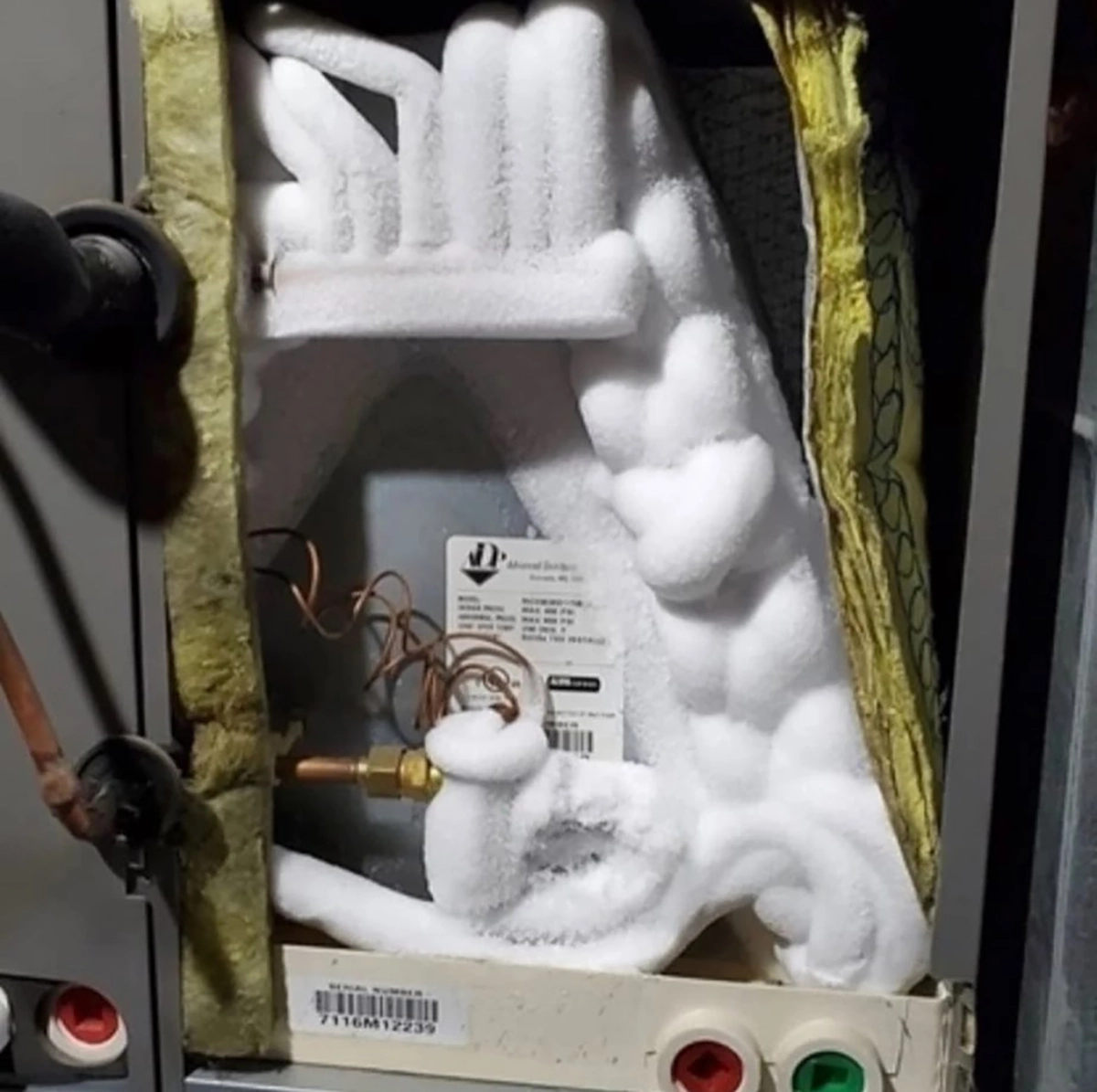
Poor or deteriorating insulation is another concern. When the insulation around a supply plenum breaks down, you lose the temperature you paid to create. Moisture damage and condensation are equally serious—if you see water stains on ceiling drywall near your air handler or detect mold odors, moisture may be infiltrating the plenum assembly. When we inspect plenum issues, we check every seam, verify that materials meet safety codes, and assess insulation integrity to restore your system’s efficiency and your home’s comfort.
Why Plenum Design Matters for System Efficiency
The plenum HVAC component acts as your system’s distribution hub—it’s where conditioned air transitions from the furnace or air handler into your duct network. When we inspect a system struggling with hot and cold spots or unexpectedly high utility bills, undersized or poorly installed plenums are often the issue. A plenum that’s too small creates static pressure (resistance that forces your blower motor to work harder), driving up energy costs and shortening the equipment’s lifespan. Oversized plenums can allow air velocity to drop too low, reducing effective airflow to rooms farthest from the unit.
Seam leaks are another efficiency drain. Even small gaps at plenum joints can bleed conditioned air into unconditioned spaces like attics or crawlspaces before it ever reaches your living areas. During our diagnostics, we measure airflow at multiple supply registers and compare readings to design specs—if the numbers don’t align, the plenum is usually the first place we look. Proper sizing, sealed seams, and correct geometry ensure your system delivers the comfort you’re paying for without wasting energy. If you’ve noticed uneven temperatures or rising bills, professional duct sealing can restore your system’s efficiency.
When to Reach Out to a Professional About Your HVAC Plenum
If you hear metallic popping or banging sounds when your system starts up, notice uneven temperatures between rooms, or see visible gaps or rust spots around the sheet metal above your furnace, it’s time to contact a licensed technician. Musty odors near your vents, dusty air despite a clean filter, or an unexplained spike in your energy bills can all point to plenum HVAC problems—whether it’s a leak, collapsed section, or failing insulation. These issues don’t improve on their own and can worsen quickly, especially in Haysville’s humid summers when condensation accelerates rust and mold growth.
When we inspect your HVAC plenum, we check the metal for corrosion or separations, measure airflow and static pressure (the resistance inside the ductwork), test for air leaks with specialized instruments, and examine insulation integrity. We also look at whether the plenum size matches your equipment’s capacity, since an undersized plenum restricts airflow and forces the system to work harder. We offer financing options to help you address plenum repairs or replacements without delay. Reach out to us for a thorough inspection and a detailed estimate.
Schedule Your HVAC Inspection in Haysville
Whether you’re hearing rattling in your supply ducts, noticing uneven airflow between rooms, or simply want to ensure your plenum and ductwork are in good shape before Haysville’s cooling season ramps up, we’re here to help. Our licensed technicians can evaluate your entire air distribution system, check for leaks or damage at the plenum connections, and identify any issues affecting your comfort or energy bills.
We provide a thorough assessment so you know exactly what’s happening inside your ductwork—and what, if anything, needs attention. Catching a small plenum leak or air-quality concern now can save you from bigger headaches down the road. With spring and summer right around the corner, it’s the perfect time to make sure your system is ready to deliver consistent, efficient airflow when you need it most.
Contact us today to schedule your HVAC inspection in Haysville. We’ll answer your questions, walk you through our findings, and provide a detailed plan tailored to your home.
Frequently Asked Questions
Can I replace my HVAC plenum myself, or do I need a professional?
You should hire a licensed HVAC professional because plenum replacement involves precise sizing, sheet-metal fabrication, code-compliant materials, and sealed connections that affect safety and efficiency. Poorly installed plenums create air leaks, fire hazards, and airflow problems. Our technicians ensure your new plenum meets local code and integrates seamlessly with your system.
What is a plenum in HVAC, and why does it matter for my home?
A plenum HVAC component is a large sheet-metal chamber that connects your furnace or air handler to your ductwork, slowing high-velocity air for even distribution. Leaks, poor insulation, or incorrect sizing waste conditioned air, create temperature imbalances, and raise energy bills. We inspect both supply and return plenums to ensure your system delivers comfort and efficiency.
How do I know if my plenum is leaking air?
Common signs include uneven room temperatures, unexplained higher energy bills, dusty air despite clean filters, and whistling or popping noises when the system runs. You might also notice water stains near your air handler or musty odors. Contact us so our technicians can measure airflow, test for leaks, and seal gaps professionally.
What materials are safe for HVAC plenum construction in my home?
Safe plenum materials must meet UL 181 Class 0 or Class 1 fire-resistance ratings, typically galvanized sheet metal with sealed joints and code-approved insulation. When we inspect or replace a plenum, we verify all materials comply with local safety standards. Outdated or non-compliant materials pose fire risks and fail home-sale inspections.