

If you’ve discovered your AC condenser coil frozen solid blocking airflow in Andover, the most common culprit is restricted air circulation caused by a dirty air filter or closed supply vents that force your system to overwork and ice up. When warm air can’t flow across the evaporator coil, refrigerant gets too cold and moisture in the air freezes into a solid block of ice, completely choking off the airflow your home needs to stay cool. While you can check your filter and make sure all your vents are open before calling us, some causes — like refrigerant leaks, blower motor failure, or blocked return ducts — require a licensed technician to diagnose and repair safely. We’ve helped countless Andover homeowners restore their cooling when ice takes over, so let’s walk through what’s happening and when to reach out for professional help.
Why Your AC Condenser Coil Froze Solid
When you walk outside and notice your outdoor AC unit encased in a thick layer of ice, it’s natural to wonder what went wrong—especially during a hot Andover summer. The condenser coil shouldn’t freeze; that’s actually a symptom of a problem happening somewhere else in your cooling system. According to HVAC.com, ice on frozen coils acts as an insulator, preventing heat transfer and blocking the airflow that creates cooling in your AC. The result? Your system runs constantly but can’t keep your home comfortable, and the ice buildup gets worse every hour it runs.
In most cases, a frozen condenser coil points back to one of three culprits: severely restricted airflow, a refrigerant issue, or both working together. If your indoor air filter is clogged or your evaporator coil (the indoor component) is covered in dust, airflow drops to the point where moisture in the air freezes on the coil instead of evaporating. Low refrigerant charge—often due to a leak—causes the refrigerant temperature to drop far below normal, triggering ice formation. A malfunctioning blower motor, blocked return vents, or even a faulty expansion valve (the component that meters refrigerant flow) can also set the stage for freezing.
When we respond to a frozen coil call, our certified technician will first shut the system down to let the ice melt safely, then trace the root cause with refrigerant pressure readings, airflow measurements, and a thorough inspection of both indoor and outdoor components. Identifying what triggered the freeze is the only way to prevent it from happening again.
Safe Checks Before Calling a Technician
If you notice your AC condenser coil frozen solid blocking airflow in Andover, there are a few simple observations you can make before reaching out to us. First, turn off your system at the thermostat to prevent further damage—running a frozen unit can harm the compressor and drive up repair complexity. Next, check your air filter. A clogged filter is one of the most common culprits behind frozen coils, since low airflow caused by blocked return vents results in inadequate air flow over the evaporator coil, leading to freezing. If the filter looks dirty or hasn’t been changed in a month or two, that information helps us diagnose faster.
Walk outside and visually inspect the outdoor unit. Make a note of any leaves, grass clippings, or debris blocking the condenser fins—good airflow around the unit is critical. Also, check your circuit breaker panel to confirm nothing has tripped. These quick checks won’t fix a frozen coil, but they give our licensed team valuable clues when we arrive. Once you’ve completed these observations, contact Premier Comfort Solutions for a professional diagnosis and repair.
Common Causes of a Frozen AC Coil
When you discover your AC condenser coil frozen solid and blocking airflow in Andover, the culprit usually falls into one of several categories. Understanding what causes ice buildup helps you recognize the symptoms early and prevent the extensive damage that comes when frozen systems run unchecked. According to industry data, leaving frozen AC untreated often leads to compressor failure, one of the most expensive HVAC repairs homeowners face.
Restricted Airflow Issues
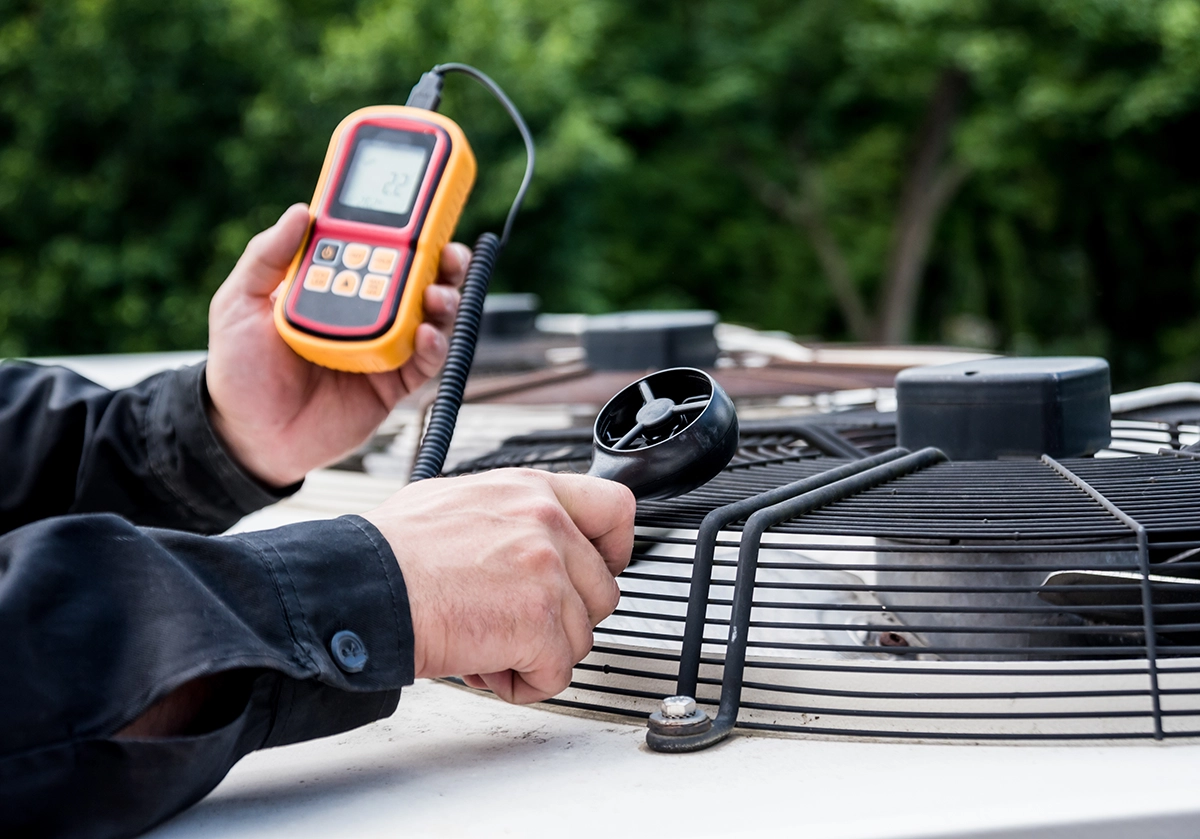
The most common trigger is restricted airflow across the evaporator coil. A clogged air filter forces your system to work harder, dropping the coil’s surface temperature below freezing and allowing condensation to turn to ice. Closed or blocked vents, collapsed ductwork, or a failing blower motor can create the same problem. When we inspect a frozen system, we’ll check your filter and measure airflow with specialized instruments to identify any restriction points throughout the duct system.
Refrigerant-Related Causes
Low refrigerant levels—usually the result of a leak somewhere in the system—cause pressure imbalances that allow the coil to freeze. Refrigerant testing and repair requires EPA certification and specialized equipment. Our licensed technicians use pressure tests and leak detection equipment to pinpoint where refrigerant is escaping, repair the leak, and restore the correct charge to manufacturer specifications.
Thermostat and Control Malfunctions
A faulty thermostat that runs your AC constantly, even when indoor temperatures drop, can freeze the coil by never allowing a proper defrost cycle. Similarly, a stuck contactor or failing control board may prevent the system from cycling off. We’ll test thermostat calibration and inspect the control circuits to ensure your system cycles properly. Whatever the root cause, prompt professional diagnosis protects your compressor and keeps a manageable repair from becoming a full system replacement.
Schedule Your AC Repair in Andover Today
If you’ve noticed reduced airflow, ice buildup on your outdoor unit, or your system struggling to cool your Andover home, don’t wait for the problem to escalate. A frozen condenser coil isn’t just an inconvenience—it forces your compressor to work harder, drives up energy costs, and can lead to permanent equipment damage if left unaddressed. The sooner we can inspect your system, the better your chances of a straightforward repair instead of a costly replacement.
When you contact Premier Comfort Solutions, our licensed technicians will conduct a thorough assessment to pinpoint exactly why your coil froze. We’ll check refrigerant levels, inspect airflow restrictions, test electrical components, and examine your entire system to identify the root cause—not just the symptom. Once we know what’s happening, we’ll walk you through your options with a detailed estimate so you can make the best decision for your home and budget. We stand behind every repair with our workmanship warranty, and we offer flexible financing to help manage the investment.
Remember the three key points: frozen coils signal an underlying issue that won’t fix itself, continuing to run the system risks serious damage, and a professional diagnosis is the fastest path to comfortable, efficient cooling again. Ready to get your AC back on track? Call us today to schedule your inspection.
Frequently Asked Questions
Can I run my AC if the condenser coil is frozen solid?
No, you should turn your system off immediately to prevent compressor damage. Running a frozen AC forces the compressor to work against blocked airflow, which can lead to permanent failure. Once you’ve shut it down, contact us at Premier Comfort Solutions so we can safely diagnose the root cause and restore your cooling.
What causes an AC condenser coil frozen solid blocking airflow in Andover?
The most common causes are a clogged air filter, closed supply vents, low refrigerant due to a leak, or a failing blower motor. These issues restrict airflow or create pressure imbalances that drop the coil temperature below freezing. We’ll inspect your entire system to pinpoint the trigger and provide a detailed repair estimate.
How long does it take for a frozen AC coil to thaw?
A frozen coil typically takes four to eight hours to thaw completely, depending on ice buildup. Keep the system off and let the ice melt naturally—never chip or heat it manually. Once thawed, we can safely inspect your system, identify the cause, and complete necessary repairs to prevent another freeze.
Why is my outdoor AC unit frozen but still running?
Your outdoor unit is frozen because an underlying issue—such as restricted airflow, low refrigerant, or a thermostat malfunction—has allowed ice to form on the coil. Ice blocks heat transfer and forces your AC to run constantly without cooling your home. Shut the system down and call Premier Comfort Solutions for professional diagnosis and repair.