

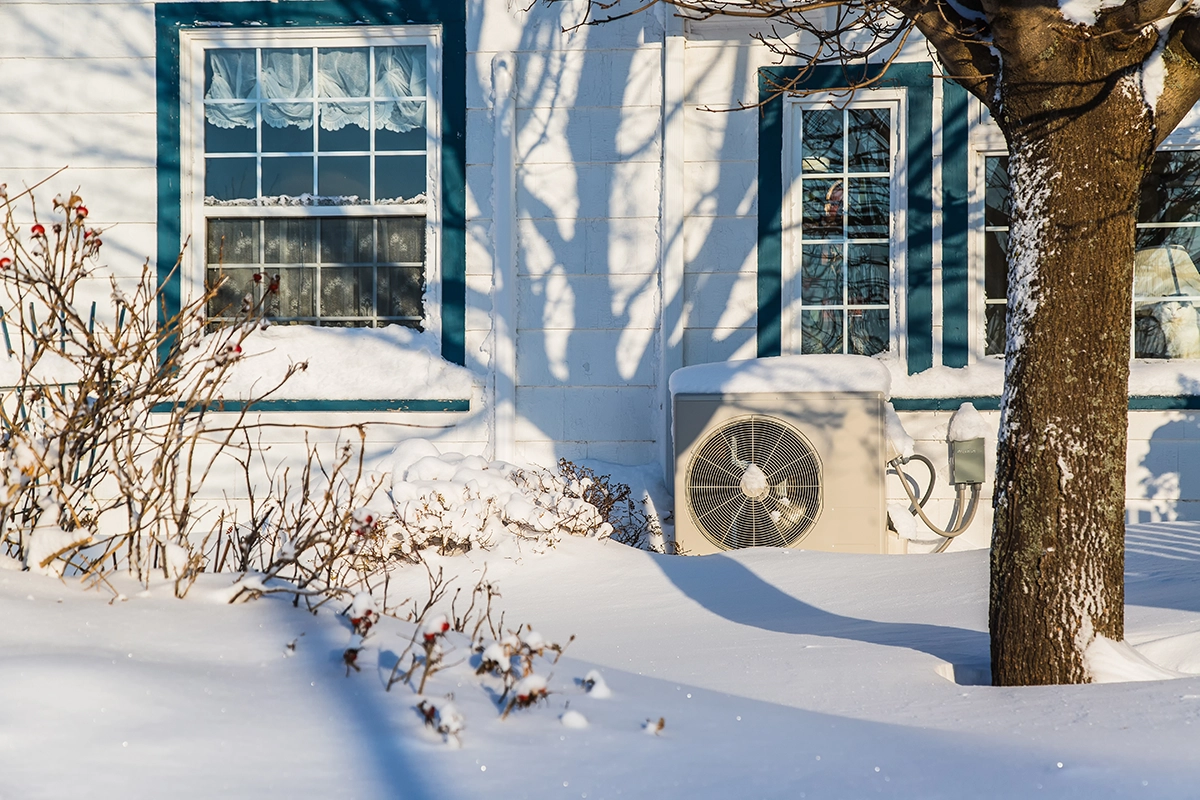
Many homeowners believe a heat pump defrost cycle running too frequently in Bel Aire is just a normal part of winter operation, especially when temperatures drop and outdoor coils ice over. While the defrost cycle itself is a healthy function that keeps your system running efficiently, excessive cycling signals trouble. If your heat pump enters defrost mode every twenty to thirty minutes—or seems stuck in a constant loop—something’s wrong. In reality, a properly functioning heat pump should defrost just enough to clear ice buildup without sacrificing your indoor comfort or driving up your energy bills. When defrost cycles become excessive, it’s usually a sign of a sensor malfunction, refrigerant imbalance, or airflow restriction that needs professional attention. We help Bel Aire homeowners diagnose these issues quickly so your system can return to reliable, efficient heating without the constant interruptions. Understanding why a heat pump defrost cycle running too frequently in Bel Aire happens in your specific system requires examining multiple factors, from refrigerant charge to sensor calibration, all of which our certified technicians evaluate during every service call.
What Drives Constant Defrost Mode Activation Throughout Bel Aire’s Cold Season
During winter months in Bel Aire, your heat pump occasionally shifts into defrost mode—a normal process where the outdoor unit briefly heats itself to melt away frost and ice buildup on the coils. You’ll typically notice the outdoor fan stops. You might see steam rising from the unit, and the indoor air may feel cooler for a few minutes. Most systems need to defrost once or twice an hour in cold, humid weather. When your heat pump runs through this cycle every ten or fifteen minutes, though, something’s not working correctly. Kansas winters create unique demands on heating equipment, and frequent defrost interruptions disrupt your indoor comfort while pushing your energy costs higher than they should be during the coldest months of the year. Residents across Bel Aire dealing with a heat pump defrost cycle running too frequently in Bel Aire often notice their thermostats can’t maintain steady temperatures because the system keeps interrupting normal heating operation to clear ice that shouldn’t be forming so rapidly in the first place.
Excessive defrost cycling wastes energy, stresses components, and leaves your home struggling to stay warm. You might observe outdoor unit constantly covered in ice even after a defrost cycle completes. You may also hear the reversing valve (the component that switches between heating and cooling modes) clicking frequently, or notice your indoor temperature dropping repeatedly throughout the day. These are telltale signs that something deeper is malfunctioning within your system’s control logic or refrigerant circuit, and they demand immediate professional evaluation to prevent compressor wear.
When we respond to a defrost-cycle concern, our certified technicians check sensor calibration, measure refrigerant levels, inspect the coil for airflow restrictions, and test the defrost control board. Catching the problem early prevents compressor damage and keeps your heating reliable through Kansas winters. If you’re seeing frost persist or defrost cycles happening back-to-back, call us for a thorough inspection by our licensed technicians who can restore your system to factory-specified operation.
Underlying Mechanical and Electronic Failures That Trigger Rapid Cycling
When your heat pump keeps cycling into defrost mode more often than normal, a handful of common issues are usually to blame. According to InterNACHI®, a healthy defrost cycle typically runs thirty seconds to a few minutes at regular timed intervals, not in rapid succession. If you’re noticing the outdoor unit switching into defrost every ten or fifteen minutes during winter weather here in Bel Aire, the system is working overtime to clear ice that shouldn’t be forming so quickly. Something is pushing it out of balance. We’ve seen this pattern develop when outdoor temperatures hover between twenty-five and forty degrees Fahrenheit—the range where frost accumulates most rapidly on outdoor coils. When you notice a heat pump defrost cycle running too frequently in Bel Aire during these temperature ranges, it’s critical to understand that multiple mechanical or electronic faults could be triggering the rapid cycling pattern, and each requires a different repair approach to restore balanced heating performance.
One of the most frequent culprits we find is a dirty or clogged air filter inside your home. When airflow drops across the indoor coil, the heat pump can’t pull enough warmth from your house to keep the outdoor coil above freezing during operation. This prompts excessive frost buildup and more frequent defrost cycles. Similarly, blocked or closed supply vents reduce system airflow and create the same imbalance. Many Bel Aire homeowners discover that a simple forgotten filter change or furniture blocking return air grilles can contribute to excessive cycling patterns. Checking that your filter appears clean and all registers are open can help you describe symptoms more clearly when you call, but a professional inspection is needed to verify the underlying cause and rule out more complex issues such as refrigerant leaks or faulty defrost sensors.
Another common trigger is low refrigerant charge—often due to a leak somewhere in the system. Low refrigerant lowers the operating pressure and temperature of the outdoor coil (the heat exchanger that releases heat outdoors and absorbs it indoors), causing frost to accumulate faster than the defrost timer anticipates. Our team also encounters issues with a faulty defrost sensor or timer, which may signal defrost mode even when the coil is barely frosted. In other cases, it fails to hold the cycle long enough to fully clear existing ice. Outdoor coil damage, debris buildup around the unit, or a reversing valve that’s sticking can all create similar symptoms. When we respond to a call about these issues, our licensed technicians systematically inspect airflow, refrigerant levels, defrost controls, and coil condition to pinpoint the exact cause and restore balanced operation without unnecessary part replacements.
Visible Warning Signs Your Defrost Controls Need Immediate Repair
The most obvious symptom you’ll notice is your heat pump repeatedly switching to defrost mode—sometimes every 20 to 30 minutes instead of the normal hourly or longer intervals during cold, humid weather. During each cycle, you’ll see steam or vapor rising from the outdoor unit as ice melts off the coils. But if you’re seeing this pattern repeat constantly throughout the day, the system is cycling far too frequently. We routinely receive calls from residents who notice their programmable thermostats struggling to maintain consistent setpoints because the defrost cycle interrupts normal heating every few minutes. Bel Aire homeowners experiencing a heat pump defrost cycle running too frequently in Bel Aire typically report temperature swings that make certain rooms uncomfortable and force the backup heating system to activate more than it should during typical winter conditions, driving electric bills sharply upward.
Inside your home, the symptoms are just as clear. You’ll feel cool or room-temperature air coming from your vents during each defrost cycle, causing noticeable temperature swings and discomfort. Your thermostat may struggle to maintain your set temperature. Plus, your energy bills often climb because the system works overtime without delivering consistent heat. Some homeowners also notice the backup heat (usually electric resistance strips) kicking on more often, which drives up electricity costs even further. The combination of interrupted comfort and rising utility costs signals that professional attention is needed before the problem worsens or damages expensive components like the compressor or reversing valve.
If your outdoor unit shows thick, persistent ice buildup on the coils even after a defrost cycle completes, those are clear warning signs. You should also watch for a defrost cycle that runs longer than 10 to 15 minutes. When we respond to these calls, our certified technicians inspect the defrost control board, pressure sensors, and refrigerant charge to pinpoint why the cycle is running too frequently and restore normal operation so your home stays warm throughout the winter.
Knowing Exactly When Professional Diagnostics Become Essential
If heat pump’s defrost cycle is running more than once or twice an hour, cycling on and off within minutes, or leaving your home uncomfortably cold—it’s time to reach out for a professional inspection. You should also call us right away if you notice thick ice buildup that won’t clear after a normal defrost, steam or unusual vapor coming from the outdoor unit, or rising energy bills that coincide with constant defrost cycling. These aren’t just annoyances; they’re symptoms that can lead to compressor strain, refrigerant loss, or premature equipment failure if left unaddressed. Waiting too long can transform a simple sensor replacement into a major refrigerant system overhaul that costs significantly more. Early intervention by our trained technicians gives you the best opportunity to avoid secondary damage and restore your system’s efficiency before the next cold snap arrives in Bel Aire. Especially for those noticing a heat pump defrost cycle running too frequently in Bel Aire during mild winter days when frost shouldn’t even be forming, immediate professional evaluation can prevent cascading failures that leave you without heat when you need it most.
When contact us, we’ll schedule a thorough diagnostic visit where our certified technicians will check refrigerant charge, verify defrost sensor and control board operation, and inspect airflow, coil condition, and electrical components. We’re a licensed and insured team serving Bel Aire, and we stand behind our work with a workmanship warranty. Even if you’re not sure whether the problem warrants a service call, a quick question is always welcome. Catching excessive defrost cycling early means we can often resolve it with a targeted repair, giving you the peace of mind that your system is running correctly and your home will stay warm all winter without interruption.
Frequently Asked Questions
Why is my heat pump defrost cycle running too frequently in Bel Aire?
A faulty defrost sensor, malfunctioning control board, or low refrigerant charge usually causes your heat pump to enter defrost mode too often. Restricted airflow from a dirty filter or blocked outdoor coils can also trigger excessive cycling. Our licensed technicians inspect sensors, refrigerant levels, and airflow to identify the exact cause and restore efficient operation for your home without unnecessary delays or guesswork.
How often should a normal heat pump defrost cycle run in winter?
A properly functioning heat pump typically runs a defrost cycle once or twice per hour during cold, humid weather in Bel Aire. Each cycle should last just a few minutes to clear frost from the outdoor coils. If your system defrosts every 10 to 20 minutes, something’s wrong and requires professional diagnosis to prevent compressor damage and restore balanced heating that keeps your family comfortable.
Can a dirty air filter cause frequent defrost cycles?
Yes, a clogged filter restricts airflow across the indoor coil. This prevents your heat pump from pulling enough warmth to keep the outdoor coil above freezing during operation. The imbalance causes frost to build up faster, triggering more frequent defrost cycles. While checking your filter can help you understand potential symptoms, persistent cycling means we should inspect refrigerant levels and sensors to identify the root cause and prevent ongoing efficiency losses.
What happens if I ignore a heat pump that defrosts constantly?
Ignoring excessive defrost cycling puts strain on your compressor, wastes energy, and can lead to refrigerant loss or premature equipment failure. Your home will struggle to stay warm, and you’ll see rising energy bills as the system works overtime. Contact us for an inspection so we can resolve the issue before costly damage occurs and restore your peace of mind through reliable winter heating.