

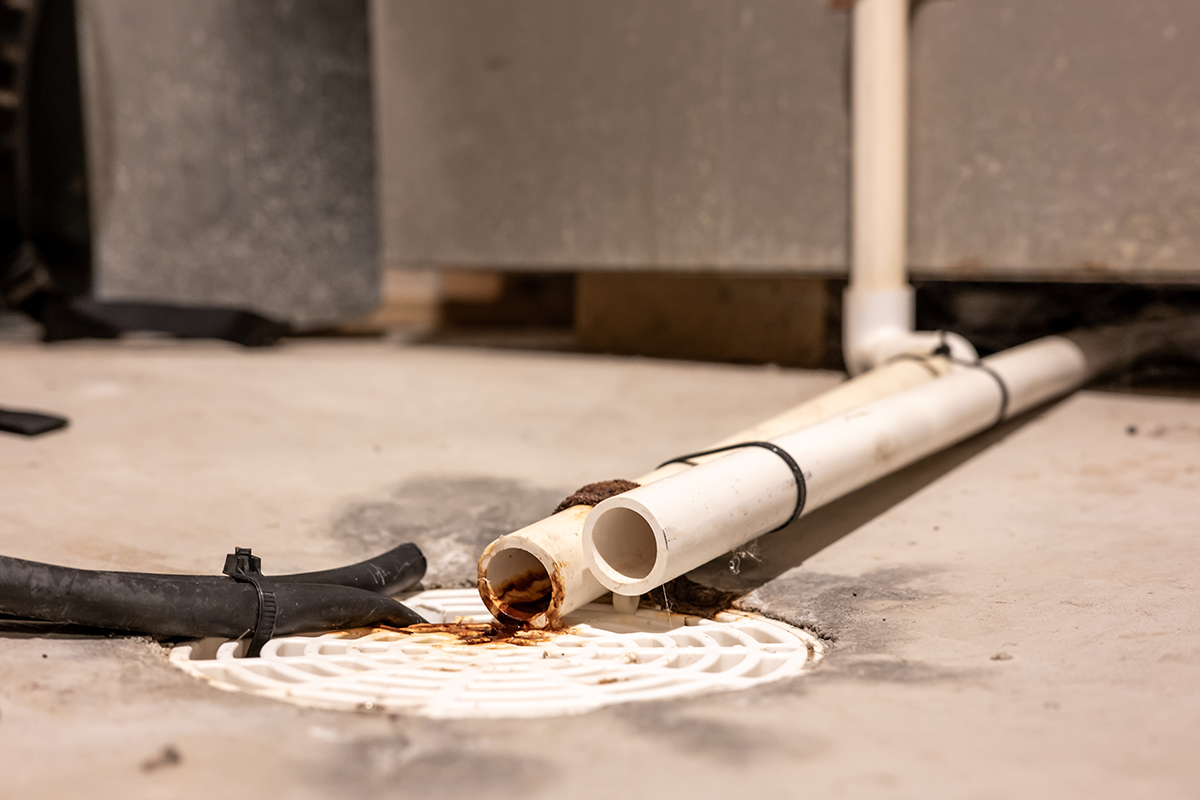
When your AC evaporator drain pan is overflowing from algae buildup in Andover, you’re facing more than just a messy puddle near your furnace. You’re looking at potential water damage to ceilings, walls, and flooring, plus the risk of mold growth that can affect your home’s air quality. That slimy green or black substance choking your condensate drain line is surprisingly common in our humid Kansas summers. Algae thrive in the dark, damp environment inside your AC system, so blockages build quickly. Left unchecked, the overflow can trip your system’s safety float switch and shut down your cooling entirely. Even worse, water can seep into electrical components or finished spaces below, causing costly repairs. The good news is that we see this issue regularly and know exactly how to clear the clog, clean the pan, and prevent it from happening again.
Understanding Why Your Condensate Pan Overflows in Local Homes
When your air conditioner runs during Andover’s warm, humid summer months, the evaporator coil inside your indoor unit pulls moisture from the air. That condensation drips into a shallow metal or plastic pan directly beneath the coil, then flows out through a drain line—typically a PVC pipe that carries water away from your home. Under normal conditions, that water evacuates quietly and you never notice it. But when algae, mold, and mineral deposits accumulate inside the drain line, the pipe clogs and water backs up into the pan. Once the pan fills beyond its rim, you’ll see overflow: puddles on the floor, water stains on the ceiling below, or a persistent drip that signals trouble. This blockage scenario creates the exact conditions that lead to an AC evaporator drain pan overflowing from algae buildup in Andover homes, especially during peak cooling season when systems run hardest and condensate production reaches its highest levels throughout the day and night.
Algae thrive in the warm, dark, damp environment inside your condensate system. As the slimy growth multiplies, it forms a biofilm that narrows the drain passage. Dust and debris from your ductwork add to the obstruction, and eventually the line blocks completely. In Andover’s climate, air conditioning runs heavily from May through September, so condensate flow is continuous. That gives algae the perfect breeding ground. If your drain pan is overflowing, the clog has likely been building for weeks or even months.
When we respond to these calls, we inspect the pan, trace the drain line, and clear the blockage. That way, water flows freely again and your home stays dry.
Recognizing Early Warning Signals of Drainage Problems
Catching an overflowing drain pan early can save you from expensive water damage and indoor air quality problems. One of the first warning signs you might notice is water pooling around the base of your indoor air handler or furnace, especially during the cooling season when your AC runs frequently. Algae develop in drain lines because the pipes stay wet during cooling operation. In fact, they are dark, warm environments exposed to dust and organic residue from the HVAC system, according to industry maintenance research. As algae colonies grow, they form a slimy blockage that prevents condensate from draining properly, forcing water to back up into the pan. Many Andover homeowners first discover their AC evaporator drain pan is overflowing from algae buildup in Andover when they step into standing water near the furnace or notice ceiling damage below the attic air handler during routine inspections of their living spaces.
You may also detect a musty, earthy odor near your vents or around the unit itself. That smell is often algae thriving in standing water. Visible rust or corrosion on the drain pan, water stains on nearby walls or ceilings, and higher indoor humidity levels are all red flags too. If your system has a float switch (a safety device that shuts down the unit when water rises too high), you might find your AC won’t run at all. When you spot any of these symptoms in your Andover home, reach out today to Premier Comfort Solutions. We can inspect the drain line, remove the algae buildup, and restore proper drainage before overflow causes serious damage.
The Science Behind Microbial Growth in Your Cooling System
Your evaporator coil sits inside the indoor unit, where it pulls heat and humidity from the air circulating through your home. As warm, moist air passes over the cold coil, water vapor condenses into droplets that fall into the drain pan directly below. That pan is designed to channel water into a drain line and safely out of your system. But it’s also the perfect environment for algae and biofilm growth. Dark, damp, and sitting at a temperature just above freezing for hours every day, the pan and drain line become a thriving nursery for microorganisms. Local technicians see this regularly, with the problem being especially common during Andover’s humid summer months, when your AC runs nearly non-stop and creates the ideal conditions for an AC evaporator drain pan overflowing from algae buildup in Andover to become a recurring issue that demands professional attention before extensive water damage spreads throughout basement and attic spaces.
Algae don’t need light or soil. They only need moisture, organic matter (like dust, pollen, and pet dander that pass through your filter), and time. Inside the drain pan, microscopic algae spores settle on wet surfaces and multiply, forming a slimy layer that clings to the pan walls and creeps into the drain line. As the colony grows, it combines with dust and debris to form a sticky biofilm that narrows the passage and eventually blocks it completely. When that happens, condensate has nowhere to go. The backed-up water quickly rises above the rim, and you’ll discover your AC evaporator drain pan overflowing from algae buildup in Andover—spilling water onto surrounding components, ceilings, or flooring and potentially causing thousands of dollars in restoration costs if the situation isn’t addressed immediately by qualified professionals.
Environmental Factors That Speed Up Blockages
A few common factors speed up algae growth in your system. Infrequent filter changes mean more airborne particles settle in the pan. High indoor humidity gives algae more moisture to work with. A drain line that slopes incorrectly or has a low spot (trap) where water pools becomes a stagnant breeding ground. When we inspect an overflowing drain pan, we look for all of these contributors. That way, we can address the root cause—not just clear the immediate clog—and help you avoid repeat service calls down the road. Understanding what accelerates the process helps homeowners recognize when their system needs attention before facing the frustration and expense of dealing with an AC evaporator drain pan overflowing from algae buildup in Andover that could have been prevented with routine maintenance.
Professional Solutions from Your Trusted Local HVAC Team
When you notice water pooling around your AC unit or suspect algae buildup is causing your evaporator drain pan to overflow, you need a team that knows Andover homes inside and out. Premier Comfort Solutions has served this community for years, and we understand the unique challenges Kansas summers bring to cooling systems. We’re your neighbors, and we’re here to help keep your home comfortable and your AC running efficiently all season long.
Our team is licensed and insured. We have the training and tools to thoroughly inspect your drain pan, clear stubborn algae buildup from your condensate line, and spot potential issues before they become costly water damage. Plus, we stand behind our work with a workmanship warranty, so you can trust the job is done right. If you’re dealing with an urgent overflow situation, we offer emergency service to protect your home from further damage. Whether you’re experiencing problems right now or simply want preventive maintenance, we have the expertise to help.
Have a question about strange water around your indoor unit? Wondering if that musty smell means it’s time for a drain line cleaning? Give us a call at Premier Comfort Solutions. Even if you just want to talk through what you’re seeing, we’re here to help. Let’s get your AC draining properly again.
We also offer flexible financing options to fit your budget, so necessary repairs don’t have to wait.
Frequently Asked Questions
What causes my AC evaporator drain pan to overflow from algae buildup in Andover?
Your drain pan overflows when algae and biofilm grow inside the condensate line and block water flow. This forces condensate to back up into the pan. Algae thrive in the dark, damp environment inside your AC system, especially during Andover’s humid summers when your unit runs continuously and produces constant moisture.
Can I prevent algae from clogging my AC drain line?
Regular professional maintenance significantly reduces algae growth by keeping your drain line clear and your system clean. We recommend scheduled HVAC tune-ups that include drain line inspection and cleaning. Along with that, change your air filter regularly to reduce dust and organic debris that feed algae colonies in the pan.
How do I know if my system has a drainage blockage problem?
You’ll notice water pooling around your indoor unit, musty odors near vents, or water stains on nearby ceilings or walls. Your AC may shut down unexpectedly if equipped with a safety float switch. These symptoms signal that algae has blocked your condensate drain line and water is backing up into the pan.
Will an overflowing drain pan damage my home?
Yes, overflow can cause serious water damage to ceilings, walls, flooring, and electrical components if left unchecked. It can also promote mold growth that affects indoor air quality. That’s why we recommend calling Premier Comfort Solutions immediately when you spot water around your unit. We can stop the overflow and prevent costly repairs.