

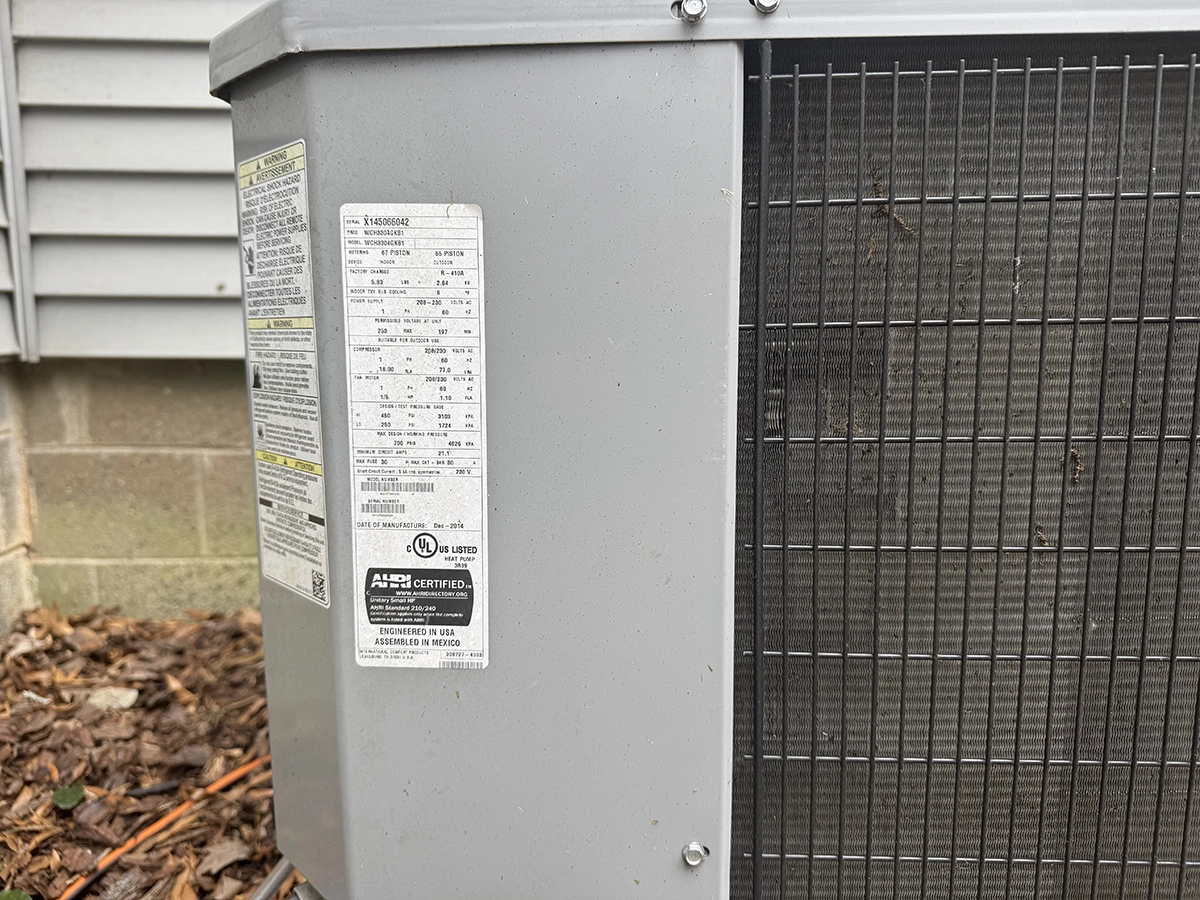
Why Your AC Outdoor Condenser Coil Corrodes in Bel Aire
When your outdoor condenser coil corrodes, airflow restriction follows—and in Bel Aire, several environmental factors accelerate that deterioration. Kansas summers bring high humidity and severe thunderstorms, which expose the aluminum or copper fins to constant moisture. That moisture, combined with temperature swings between day and night, creates the perfect environment for oxidation. According to industry guidance, corrosion of heat exchangers in HVAC equipment leads to performance loss and possible equipment failure. Because of this, recognizing the warning signs early matters.
Beyond weather, your own yard contributes to the problem. Lawn fertilizers, weed killers, and pesticides often drift onto the outdoor unit during application. These chemicals contain salts and acids that eat away at the coil’s protective coating. As a result, bare metal becomes vulnerable. Pet urine is another culprit. Dogs marking territory near the condenser introduce corrosive compounds that accelerate rust and pitting on the coil surface (the thin metal fins that facilitate heat transfer).
For authoritative guidance, consult SELECTION GUIDE: ENVIRONMENTAL CORROSION PROTECTION.
When we inspect an AC outdoor condenser coil that’s corroded and restricting flow in Bel Aire, we’re looking at how much surface area has been compromised. We also check whether airflow is measurably reduced. Even minor corrosion can trap dirt and debris, compounding the restriction. If you’ve noticed your system running longer cycles, higher utility bills, or warm air indoors despite the thermostat setting, corrosion may already be limiting your unit’s ability to release heat. Our licensed technicians can assess the damage and recommend whether coil cleaning, coating, or replacement is the safest path forward.
Warning Signs Your Condenser Coil Is Corroded
If your air conditioner is struggling to keep your Bel Aire home comfortable even when it runs constantly, corrosion on the outdoor condenser coil may be choking your system’s performance. You might notice lukewarm air coming from your vents during the hottest afternoons. Rooms may never quite reach the temperature set on your thermostat. These symptoms often appear gradually as corroded coils reduce thermal conduction and airflow, quietly strangling your system’s ability to release heat.
Higher-than-usual energy bills are another red flag. When your AC outdoor condenser coil is corroded and restricting flow in Bel Aire, the compressor has to work overtime to compensate. It consumes more electricity for less cooling. You may also spot visible frost or ice forming on the refrigerant lines near the outdoor unit, a sign that restricted airflow is preventing proper heat exchange. If the coil fins look flaky, pitted, or discolored—especially near the bottom where moisture collects—corrosion is already underway.
When we inspect your system, we check the coil’s surface condition and measure airflow. We also test refrigerant pressures to confirm whether corrosion is restricting performance. Catching these warning signs early helps prevent compressor failure and keeps your cooling costs under control.
How Corrosion Restricts Airflow and Refrigerant Flow
When we diagnose an AC outdoor condenser coil corroded and restricting flow in Bel Aire, we’re typically seeing a dual failure. The corrosion isn’t just creating holes or leaks—it’s also physically blocking the flow paths your system depends on. The coil itself is a densely packed matrix of thin aluminum or copper fins surrounding refrigerant tubing. As corrosion progresses, oxidized metal, rust, and mineral deposits build up on those delicate fins. This narrows the gaps where air should pass freely.
At the same time, if the corrosion has eaten through the tubing or fittings, refrigerant may be leaking from the system, reducing the flow of refrigerant through the coil. This lowers the charge needed for effective heat exchange.
This combination is what makes corroded coils so damaging. Even if the refrigerant circuit is still sealed, heavy corrosion on the fins can reduce airflow by 30 percent or more. Your outdoor fan spins, but the air can’t penetrate the clogged, oxidized surface. That starves the condenser of the cooling it needs to reject heat. In turn, discharge pressure (the pressure of hot refrigerant leaving the compressor) spikes. Higher pressure forces the compressor to work harder, drawing more current and generating excess heat. If refrigerant is also leaking out, the system loses its ability to absorb heat indoors. You’ll notice weak cooling, longer run times, and ice forming on the indoor coil as the remaining refrigerant expands improperly.
When we respond to a restricted-flow call, we measure both airflow across the coil and refrigerant pressures at the service ports. If we find significant corrosion blocking the fins or compromising the tubing, we’ll walk you through whether coil replacement or full outdoor-unit replacement makes the most sense for your system’s age and condition. Catching corrosion early—before it chokes airflow and refrigerant flow completely—can save you from compressor damage. It also spares you from a much larger repair bill down the road.
Schedule Your AC Condenser Inspection in Bel Aire
A corroded outdoor condenser coil isn’t something you can spot and fix on your own. This kind of damage lives inside the unit, develops over time, and directly affects your system’s ability to keep your home cool. Ignoring early symptoms like warm air from your vents, rising utility bills, or uneven temperatures across rooms only allows the corrosion to progress. In many cases, this forces refrigerant leaks, compressor strain, and eventually a complete system failure. Addressing the problem early protects your investment and helps you avoid a much larger replacement cost down the road. Homeowners dealing with an AC outdoor condenser coil corroded and restricting flow in Bel Aire need professional diagnosis to understand the full extent of the damage and the most cost-effective repair options available.
We invite you to schedule a consultation with Premier Comfort Solutions. During our inspection, we’ll thoroughly evaluate your outdoor condenser coil. We measure airflow and refrigerant levels, check for leaks, and identify any corrosion restricting performance. Our licensed technicians will walk you through exactly what we find and explain your options—whether that’s a professional coil cleaning, targeted coil repair, or in severe cases, a coil replacement. We stand behind our work with a workmanship warranty, and we offer financing options to help make the right solution accessible when you need it most.
Don’t wait until your air conditioner stops working entirely on a sweltering Bel Aire afternoon. Call us today to protect your comfort, extend your system’s lifespan, and keep more money in your pocket over the long term. We’re here to help you make the best decision for your home and your family. If you suspect you have an AC outdoor condenser coil corroded and restricting flow in Bel Aire, taking action now prevents emergency breakdowns during peak cooling season.
Frequently Asked Questions
Can a corroded AC condenser coil in Bel Aire be repaired, or does it need full replacement?
Minor surface corrosion can sometimes be cleaned and treated with protective coatings. However, moderate to severe corrosion typically requires coil or unit replacement. Our licensed technicians inspect the damage, measure airflow restriction, and test for refrigerant leaks. That way, we can determine the best repair path for your system’s age and condition.
What causes an AC outdoor condenser coil to corrode and restrict airflow in Bel Aire homes?
Lawn chemicals, pet urine, sprinkler minerals, and Kansas humidity accelerate corrosion on aluminum and copper coil surfaces. This blocks airflow. Even minor corrosion traps dirt between fins, compounding the restriction. Once airflow drops, your system runs longer and consumes more energy. For this reason, we recommend scheduling an inspection if you notice these symptoms.
How do I know if my AC outdoor condenser coil is corroded and restricting flow before it fails completely?
Watch for lukewarm air from vents, rooms that never reach set temperatures, higher energy bills, or ice forming on refrigerant lines near the outdoor unit. Visible flaking, pitting, or discoloration on the coil confirms corrosion is underway. Our team measures airflow and pressures to assess restriction severity. Then we recommend the safest solution.
Will cleaning my outdoor condenser coil stop corrosion from getting worse in Bel Aire?
Cleaning removes dirt but cannot reverse existing corrosion or repair compromised metal. Professional cleaning helps if caught very early, before pitting penetrates the fins. Once corrosion advances, protective coatings or coil replacement become necessary. We inspect your coil, explain the corrosion stage, and recommend the most effective solution for your system.