

If your home’s cooling system isn’t keeping up with the heat, you may need a professional to repair air conditioning compressor components. These components might have worn out or failed. The compressor is the heart of your AC system. It’s responsible for pressurizing refrigerant and circulating it through the system to remove heat from your home. When this vital component starts to struggle or stops working altogether, it affects your entire cooling system’s performance. Recognizing the warning signs early can help you avoid a complete system breakdown. This is especially important during the hottest days of the year. In fact, this matters particularly during our Kansas summers when temperatures can soar into the 90s and beyond.
At Premier Comfort Solutions, we’ve helped countless homeowners diagnose and resolve compressor issues. We address these problems before they turn into expensive emergencies. Because compressor problems can mimic other AC issues, it’s important to understand what you’re dealing with. You should know this before calling for service. In this guide, we’ll walk you through how to identify compressor problems. We’ll also explain what causes them to fail and what you can expect when our technicians arrive to repair air conditioning compressor issues in your system.
Understanding Your Air Conditioning Compressor
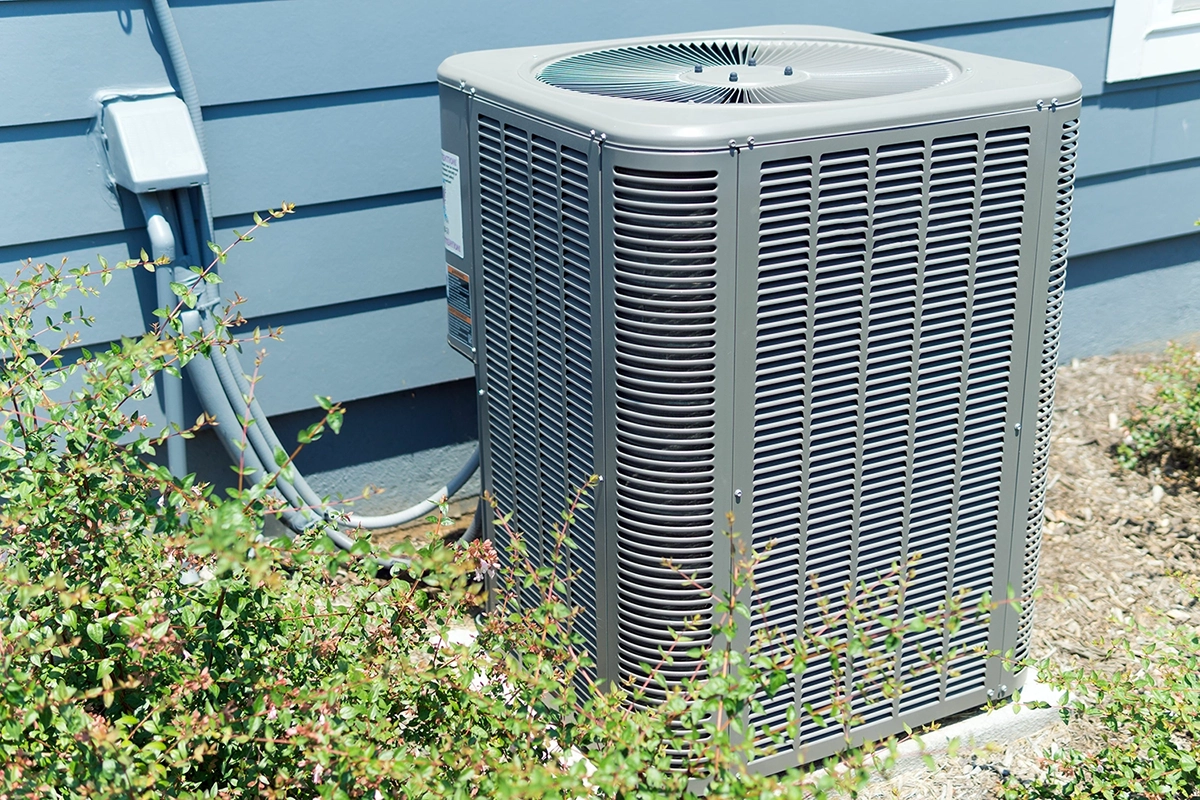
The compressor sits inside the outdoor condenser unit and works similarly to a pump. It takes low-pressure refrigerant gas from inside your home and compresses it. Then it turns this into a high-pressure, high-temperature gas. This compressed refrigerant flows through the condenser coils where it releases heat to the outside air. After that, it converts back to a liquid. Without a functioning compressor, your refrigerant can’t circulate. This means your system simply can’t cool your home.
Most residential AC systems use either a scroll compressor or a reciprocating compressor. Scroll compressors are more common in modern systems because they’re quieter and more efficient. Reciprocating compressors work like a car engine with pistons. These are typically found in older units. Regardless of the type, all compressors generate significant heat during operation. They also require proper lubrication to function correctly. When you need to repair air conditioning compressor parts, understanding which type you have helps technicians provide the most efficient service.
Warning Signs Your Compressor Needs Repair
Compressor problems don’t always appear suddenly. Often, your system will give you warning signs that something’s going wrong. Paying attention to these symptoms can help you catch issues before they lead to complete compressor failure.
Strange Noises Coming from the Outdoor Unit
Your AC system naturally makes some noise during operation. However, unusual sounds often indicate trouble. Grinding, rattling, or screeching noises coming from your outdoor unit could signal internal compressor damage. These sounds happen when internal components wear down or when lubrication breaks down. This allows metal parts to scrape against each other. A clicking sound that repeats without the compressor starting might indicate electrical problems. These problems prevent the compressor from running.
Circuit Breaker Trips Repeatedly
If your AC system keeps tripping the circuit breaker, the compressor might be drawing too much power. This usually happens when the compressor is working harder than it should. Internal damage or electrical problems typically cause this. Sometimes the issue stems from a failing capacitor or start relay. In other cases, it signals that the compressor itself is struggling. Either way, you shouldn’t keep resetting the breaker. That’s a sign you need professional diagnosis.
Warm Air from Your Vents
When you need a professional to repair air conditioning compressor issues, one of the most obvious symptoms is warm air blowing from your supply vents. Your thermostat might be set correctly and your air filter might be clean. But if the air isn’t cold, the compressor may not be circulating refrigerant properly. This could mean the compressor isn’t running at all. Alternatively, it’s running but not generating enough pressure to move refrigerant through the system effectively.
Higher Energy Bills Without Explanation
A struggling compressor often works harder and runs longer to achieve the same cooling effect. This drives up your energy consumption. Of course, many factors can increase your electric bill. However, if you notice a significant spike during cooling season without changes to your usage patterns, the compressor might be losing efficiency. This happens due to wear or damage.
Common Causes of Compressor Failure
Understanding why compressors fail helps you prevent future problems. It also helps you make informed decisions about repairs. Several factors can damage these critical components over time. Knowing when to repair air conditioning compressor components versus replacing the entire unit depends on understanding these common failure causes.
Refrigerant Issues
Both low and high refrigerant levels can damage your compressor. When refrigerant levels drop due to a leak, the compressor runs without proper lubrication. This happens because refrigerant carries oil through the system. As a result, this leads to overheating and internal damage. Conversely, too much refrigerant creates excessive pressure that strains the compressor. That’s why refrigerant work should always be handled by certified professionals. They can measure and adjust levels precisely.
Electrical Problems
Compressors rely on various electrical components to start and run properly. The capacitor provides the initial power boost to start the compressor motor. Meanwhile, the contactor acts as a switch to control power flow. When these components fail, the compressor might not start at all. It might also struggle to run efficiently. Power surges, voltage fluctuations, and electrical storms can also damage the compressor’s internal motor windings.
Lack of Maintenance
Regular maintenance keeps your compressor healthy. During maintenance visits, our technicians clean the condenser coils. They also check refrigerant levels, test electrical components, and verify proper operation. Dirty coils make the compressor work harder to reject heat. This shortens its lifespan. Similarly, running your system with dirty filters restricts airflow. This causes the entire system—including the compressor—to strain.
Age and Normal Wear
Even with perfect maintenance, compressors eventually wear out. Most compressors last 10-15 years under normal conditions. As internal components age, they lose efficiency and become more prone to failure. If your system is approaching or past this age range, compressor repair might provide a temporary fix. However, replacement could be the more cost-effective long-term solution.
How Professionals Diagnose Compressor Problems
When you call Premier Comfort Solutions with suspected compressor issues, our certified technicians follow a systematic diagnostic process. This thorough approach ensures the real issue is addressed rather than just symptoms. Professional technicians who repair air conditioning compressor systems use specialized tools and testing methods to pinpoint exact problems before recommending solutions.
Step 1: Visual Inspection and Initial Assessment
Our technicians start by examining the outdoor unit for obvious signs of damage. This includes physical impact, insect nests, or debris accumulation. We’ll also check for oil residue around the compressor. This indicates a refrigerant leak. During this inspection, we listen for unusual noises. We also note any burning smells that might suggest electrical problems.
Step 2: Electrical Testing
Next, we test all electrical components connected to the compressor. This includes measuring voltage at the contactor and testing the capacitor’s microfarad rating. We also check the compressor’s motor windings for resistance. These measurements reveal whether the compressor is receiving proper power. They also show whether its internal motor is still functioning correctly. Additionally, wiring is inspected for signs of overheating or damage.
Step 3: Pressure and Temperature Readings
Using specialized gauges, we measure the refrigerant pressures on both sides of the system. These readings reveal whether the compressor is building adequate pressure to circulate refrigerant effectively. Temperature measurements are also taken at various points in the refrigerant cycle. This verifies that the system is absorbing and rejecting heat as designed.
Step 4: Amp Draw Testing
We measure the actual amperage the compressor draws during operation. Then we compare it to the manufacturer’s specifications listed on the unit’s data plate. If the compressor draws significantly more or less current than it should, this indicates internal problems. High amp draw suggests the compressor is working too hard. Low amp draw might mean it’s not running at full capacity.
Step 5: Acid Test for Refrigerant Contamination
When compressors fail catastrophically, they can contaminate the entire refrigerant system. This contamination includes acid and debris. Before attempting to repair air conditioning compressor components, we test the refrigerant for acid contamination. If acid is present, simply replacing the compressor won’t solve the problem. The entire system needs to be cleaned. Otherwise, the contamination will destroy the new compressor too.
What Professional Compressor Repair Involves
Once the specific problem has been identified, our certified technicians can proceed with the appropriate repair. The exact process depends on what’s wrong. However, here’s what you can typically expect.
For electrical issues like a failed capacitor or contactor, we’ll replace the faulty component. Then we verify the compressor starts and runs properly with the new part. These repairs are relatively straightforward. They often resolve the immediate problem quickly. However, if the compressor itself has internal damage, the repair becomes more involved.
When the compressor needs replacement, we first recover all refrigerant from the system. This follows EPA regulations. Then the electrical connections and refrigerant lines are disconnected. After that, we remove the old compressor. Installing the new compressor requires brazing refrigerant lines. This must be done carefully to prevent leaks. After installation, a vacuum is pulled on the system to remove any moisture and air. Then it’s charged with the precise amount of refrigerant specified by the manufacturer.
Throughout this process, we also replace the filter-drier. This component removes moisture and contaminants from the refrigerant. The refrigerant lines are flushed if necessary to remove any debris from the failed compressor. Before the job is complete, the system runs through several cooling cycles. This verifies everything is working correctly. Final pressure and temperature measurements are taken to confirm proper operation.
Repair vs. Replacement: Making the Right Choice
When facing significant compressor problems, you’ll need to decide whether to repair your current system or replace it entirely. This decision depends on several factors beyond just the repair cost.
If your air conditioning system is less than 7 years old, repair usually makes financial sense. This is true when the only problem is a failed component like a capacitor or contactor. The compressor itself is still relatively new. Fixing the supporting components should give you many more years of service. However, if the compressor itself has failed and your system is 10 years old or more, replacement often provides better value.
Consider that a new compressor might cost 30-50% of what a complete system replacement would cost. Yet the rest of your aging system’s components will continue to wear out. In fact, many homeowners who replace just the compressor find themselves needing other repairs within a few years. Additionally, newer systems are significantly more efficient than models from 10-15 years ago. So the energy savings can help offset the higher initial investment.
We always give you honest recommendations based on your specific situation. Our goal is to help you make the choice that best serves your needs and budget. This choice might mean repairing your current system or investing in a new, more efficient one. For more information about our air conditioning repair services, visit our service page.
Preventing Future Compressor Problems
Some compressor failures are unavoidable. However, you can take steps to maximize your compressor’s lifespan and catch problems early. Regular professional maintenance is the single most important preventive measure. During maintenance visits, our technicians clean components, check refrigerant levels, and test electrical parts. They also identify developing issues before they cause system failure.
Between professional visits, you should change your air filter regularly. This is typically every 1-3 months depending on your household. A clean filter ensures proper airflow. This reduces strain on your entire system. Also, keep your outdoor unit clear of debris, grass clippings, and vegetation. Good airflow around the condenser unit helps your compressor reject heat efficiently.
Never ignore warning signs like unusual noises, weak cooling, or frequent cycling. These symptoms often start small but grow worse over time. Addressing them early can prevent minor issues from becoming major compressor repairs. Similarly, if your circuit breaker trips, don’t just reset it and forget about it. Instead, call a professional to investigate the cause.
Why Choose Premier Comfort Solutions for Compressor Repair
When you need a professional to repair air conditioning compressor problems, choosing the right HVAC company makes all the difference. Our technicians have the training, experience, and tools to accurately diagnose compressor issues. They also perform lasting repairs. We stay current with the latest HVAC technology and repair techniques. This happens through ongoing education and manufacturer training.
We understand that AC problems don’t wait for convenient times. That’s why we prioritize prompt service and clear communication throughout the repair process. Before any work begins, we’ll explain exactly what’s wrong. We’ll also tell you what we recommend and what it will cost. There are no surprises or hidden fees. You get just honest, professional service you can count on.
Our commitment to quality extends beyond the repair itself. We use high-quality replacement parts backed by solid warranties. We also stand behind our work. When we repair or replace your compressor, you can trust that it’s done right the first time. We want you to stay comfortable in your home for years to come. That starts with doing excellent work on every service call. Schedule a free estimate for your compressor repair needs.
Frequently Asked Questions
How much does it cost to repair an air conditioning compressor?
Compressor repair costs vary significantly based on the specific problem. Simple electrical component replacements like capacitors typically cost $150-$400. Meanwhile, full compressor replacement usually ranges from $1,500-$2,500 including parts and labor. The exact cost depends on your system’s size, compressor type, refrigerant type, and accessibility. We provide detailed estimates before beginning any work. This way you know exactly what to expect.
Can I run my AC with a bad compressor?
No, you should not run your AC system with a failing compressor. A bad compressor won’t cool your home effectively. Continuing to run it can cause additional damage to other system components. If the compressor is struggling due to electrical issues, it may draw excessive current. This could damage your home’s electrical system. Turn off your system and call for professional diagnosis. This prevents further damage.
How long does a compressor repair take?
Simple compressor-related repairs like replacing a capacitor or contactor typically take 1-2 hours. Full compressor replacement is more involved. It generally requires 4-8 hours depending on the system type and refrigerant recovery requirements. The time also depends on whether refrigerant line flushing is needed. Our technicians work efficiently while ensuring every step is completed correctly. This provides long-lasting results that restore your home’s comfort.
What causes an AC compressor to fail prematurely?
The most common causes of premature compressor failure include running with low refrigerant due to leaks. Dirty condenser coils that prevent proper heat rejection also cause problems. Electrical problems like failed capacitors are another factor. Lack of regular maintenance contributes as well. Operating the system with clogged air filters is also problematic. Refrigerant overcharge, power surges, and extremely high outdoor temperatures combined with continuous operation also contribute to early failure. Professional technicians who repair air conditioning compressor systems can help identify these risk factors during routine maintenance visits.